
When we started planning a short trip from France, Malta kept popping up, mostly thanks to the promise of super-cheap flights.
Flights aside, a little research uncovered that the island nation was smaller than the city of Chicago, with more history per square mile than almost anywhere else in Europe. Color us intrigued.
Malta turned out to be unlike anywhere else we’ve visited. It felt a little Spanish, maybe a little British, with ancient temple complexes and a surprising food scene. We had three full days to explore.
So, is Malta worth visiting? Here’s our honest take.
Quick Tips for Your Malta Visit
Your Flight: Fly into Malta International Airport, which has direct connections from major European cities. Find deals to Malta on Skyscanner. Love deals? Subscribe to Going.
Your Accommodations: We stayed at the Sliema Studios, but there are lots of options in Malta for accommodations. Browse Booking.com or Hotels.com. Vrbo is my Airbnb alternative.
Your Ride: You don’t need a car in Malta for a short visit, but it can be helpful if you’re on the island for longer. Book a rental car ahead of time.
Top Spots: Tour Casa Rocca Piccola in Valletta, see the Neolithic Temples of Ħaġar Qim, and visit Mdina, the Silent City.
Disclosure: Travel on the Reg uses affiliate links to keep things running around here. At no additional cost to you, I earn a lil’ commission if you make a purchase. Any income earned supports the upkeep of this site. I appreciate you!
Is Malta worth visiting?
Yes, especially if you like unique historical sites and good food. Malta is also small enough to see a lot in a short visit and affordable enough that dining out doesn’t feel like some sacrifice.
It didn’t top our list of all-time favorites, but it absolutely earned its place as one of the most surprising short trips we’ve taken. If you’re ready to plan your trip, skip to my Malta itinerary!
Malta is very old.
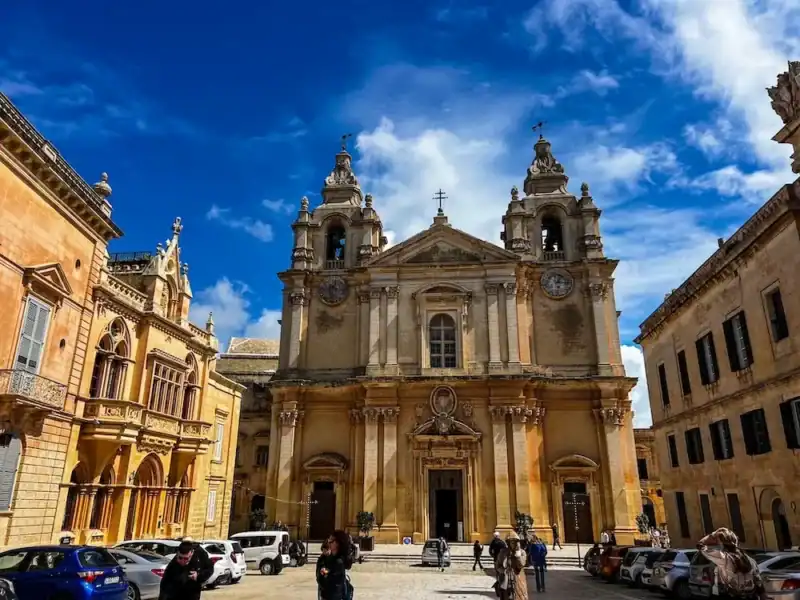
We knew Malta had history, but we didn’t know enough about its ancient history until we started exploring the island.
The Neolithic Temples of Ħaġar Qim and Mnajdra on the southern coast were built around 3600–3200 BC. That makes them older than Stonehenge and the Egyptian pyramids. They’re in considerably better shape than either, too.
Standing in front of them, still relatively intact in a field overlooking the sea, was one of the more surreal experiences we had on the island.
The underground Hal Saflieni Hypogeum, a prehistoric burial complex carved entirely by hand, goes back even further. There are only 80 visitors admitted per day, which means tickets sell out weeks in advance.
Note: We missed out on this and I’ll admit to feeling some FOMO. Book them before you book your flights if you’re interested..
Valletta might be the most underrated capital in Europe.
Valletta, a UNESCO World Heritage Site since 1980, is tiny. You can cross it on foot in about 20 minutes. But it earns its status as one of the most concentrated collections of historic architecture anywhere on the continent.
I have a full guide to how I’d spend the day here, but St John’s Co-Cathedral alone would justify a trip. The interior is covered in gold on nearly every surface, which sounds excessive until you’re standing inside and realize that they really made it work.
It also houses Caravaggio’s The Beheading of Saint John the Baptist, the only work he ever signed. The short film they run about his life is worth watching before you explore, and inspired me to learn more about him when we got back home.
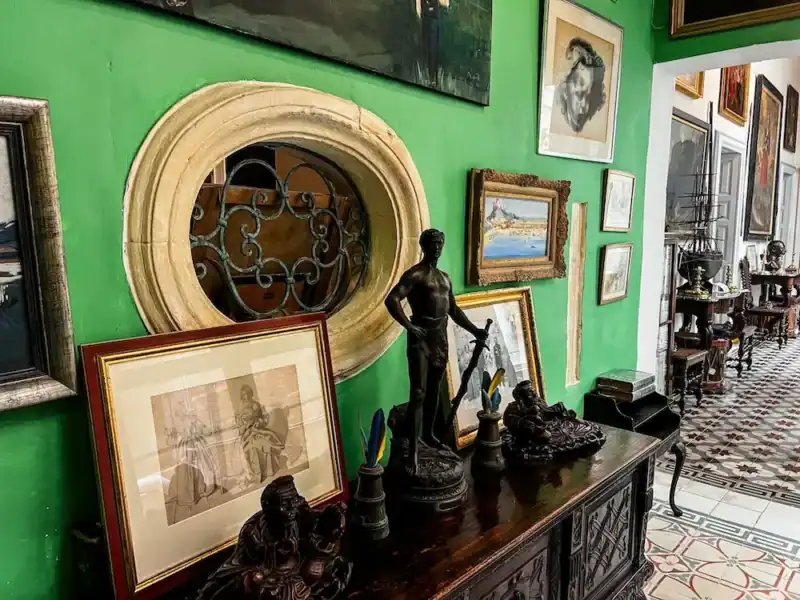
Casa Rocca Piccola, a 16th-century noble home that doubled as a WWII bomb shelter, was our favorite stop on the island. Book the guided tour.
The storytelling is half the experience, and you’ll also meet Kiku, a macaw who likes to say “hello” and wave at tourists. (Don’t be fooled, though. He bites.)
The food surprised us.

We live in France, which means our bar for meals is high and our tolerance for disappointment is low. Malta held its own.
Legligin in Valletta is a Michelin-recommended spot that serves comfort food, Maltese-style. We both thought the five courses for under €40 felt like a steal.
Rabbit is the national dish and shows up in various forms here, so you shouldn’t skip it unless you don’t eat meat. The local wine and house-made liqueurs rounded things out nicely.
Pastizzi, flaky savory pastries filled with ricotta or mushy peas, are the essential street snack, available at almost every pasticceria for almost nothing. Cheeselets, a firm local cheese, show up on most menus.
Fun fact: Malta’s food reflects centuries of influence from nearby Sicily, North Africa, and Britain. The result is a cuisine that includes Italian-style pastas, spice-forward dishes, and British comforts, like those mushy peas.
AYU on the Gżira waterfront was our other standout meal. We indulged in a fusion menu with bao buns, spicy dumplings, a Sri Lankan curry, and fried ravioli. Brian loved the heat level on some of these, as he’d been missing real spice in France.
Mild salsa in France is basically ketchup, you guys.
On that note, we also ate TACOS! Yep. Malta has tasty tacos. Our pick was Taco Bar in St Julian’s. If you go, try the mini elotes.
Interested in a food tour while you’re here? I love ’em! Here are a few great options:
Mdina feels like a film set.
Malta’s former capital, the aptly named Silent City for its lack of car traffic, is a medieval walled city that is quite photogenic. Game of Thrones was filmed here, which will be obvious the moment you walk through the Old Gate.
The gate was used as King’s Landing. We hated the ending of that show, but loved walking through these atmospheric streets, wondering if we would’ve survived a week in Westeros.
Fun fact: Game of Thrones wasn’t the only production filmed here, it also appeared in Gladiator and The Count of Monte Cristo.
Beyond the Hollywood associations, Mdina is a proper historic city, with catacombs, medieval walls, narrow winding streets, and an impressive cathedral. It’s an easy half-day trip from hubs like Sliema and pairs well with a walk into neighboring Rabat.
Malta is small, but it doesn’t feel small.
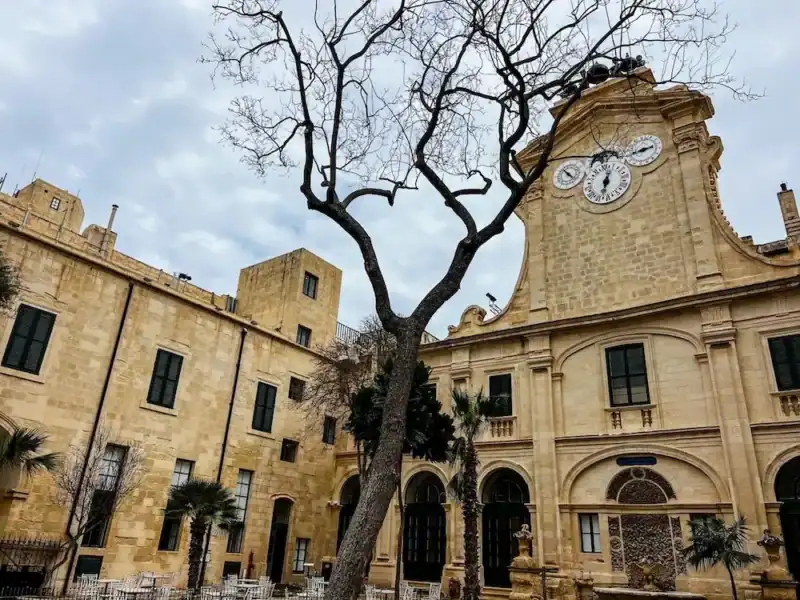
The island is about 17 miles long and nine miles wide. You can theoretically drive end to end in under an hour.
And yet our three days felt pretty full without feeling rushed. We explored a capital city, a medieval walled city, a prehistoric temple complex, a fishing village, and dramatic sea cliffs. That’s a lot of diversity in a small package.
Part of that is the density of things worth seeing. Part of it is that the island rewards slowing down, whether that’s a long lunch with homemade liqueurs or a stop at a viewpoint that wasn’t on the itinerary.
I’m very much a Type A planner, but Malta is small enough that you can be a little more spontaneous about it. I’m trying a growth mindset about it.
READ MORE: Love an island holiday? Check out this guide to Crete, a delicious escape in Greece.
It’s easy to get around without a car.

They can get really crowded, but Malta’s public buses are cheap, frequent, and tap-to-pay. The ferry between Sliema and Valletta runs roughly every half hour and offers nice harbor views.
Bolt rideshare is reliable and inexpensive. We used it several times and were consistently impressed by both the cars and the prices. For the southern part of the island, a driver or rental car makes things easier.
Note: We tested out Daytrip one day to get to the temples, Marsaxlokk, and the Blue Grotto. I’d highly recommend the service if you want a local driver without the private driver prices.
For a Valletta-focused trip, though, you genuinely don’t need a car. I have a detailed guide to getting around Malta for more on our experience without one.
Malta is affordable, with some exceptions.

Day-to-day costs in Malta are reasonable. Street food is cheap, local restaurants are a good value, and transport is inexpensive. Even our nicer meals, like Legligin’s five-course lunch, felt like good deals.
Where costs can creep up are accommodations in Valletta itself, popular attractions during cruise season, and any dining that leans toward the fine end of things.
None of it felt unreasonable, but it’s worth knowing that summer brings higher prices alongside higher temperatures and bigger crowds.
Who Malta Is Best For
Malta is a strong fit for travelers who like history, architecture, and food, and who don’t need a beach resort to feel like they’re on holiday.
It’s particularly well-suited to short breaks. Three or four days is enough to see the highlights without feeling like you’ve rushed anything.
It’s also a great choice for travelers who want something a little different than the major European cities. If you’re already in Europe, it’s an easy flight, too. You’re looking at just two to three hours in the air.
When Malta Might Not Be Worth Visiting
If your ideal Mediterranean trip involves a sun lounger and a swim-up bar, Malta probably isn’t your best option. The island has beaches, but they’re not why most tourists come here. Rocky coastline and historic harbors are more the vibe.
In the summer, particularly July and August, cruise ships bring extra crowds, so I imagine it’s not as pleasant then. We visited in mid-March and found it nearly ideal.
There was some intermittent rain one day, but overall, we enjoyed mild weather, manageable crowds, and full access to everything we wanted to see.
Is Malta or Sicily better?
Sicily is larger and more varied, with a stronger food scene. Malta is more compact and easier to navigate, with a unique layering of history that feels unlike anywhere in Italy. If you can, do both!
Which is nicer, Malta or Gozo?
Many travelers find Gozo nicer for its peaceful atmosphere, scenic landscapes, and fewer crowds, but Malta offers more variety, cultural sights, and nightlife.
If you prefer relaxation and natural beauty, choose Gozo. If you want more to see and do, Malta is the better option.
Malta is worth visiting, even for a short trip.
For an island this small, Malta has a lot going on. While I’m not sure we’d go back, just because there are SO many new places to discover in our short time on this planet, we had a great trip here.
Whether you arrive at your decision because of a cheap flight deal or are curious to see it for yourself, I’m sure Malta will deliver as much, if not more, than you expect.
Traveling elsewhere in Europe? Check these out next:
- A Golf Guide to Booking the Old Course
- Top Things to Do in St Andrews, Scotland
- What to Expect at the H. R. Giger Museum
- A Summer Guide to Waterfalls in Switzerland
- How to Plan an Epic Trip to Poland
More island destinations to fuel your wanderlust:
- Trek From Oia to Fira on Santorini
- Visiting Controversial Knossos Palace
- How to Get Around Lovely Tenerife
- A Guide to Tenerife in the Winter
- How to Plan the Ultimate Iceland Trip

Want to see more?
Subscribe to my biweekly newsletter for hot travel tips I come across, weird stories you won’t see elsewhere and perhaps lifelong friendship.
Too much, or just enough?
