A food tour is our favorite way to experience a city. We’ve eaten our way through Italy, France, and our old stomping grounds in San Diego, and there’s no better way to get to know a place than through their culinary traditions.
That doesn’t mean you can just waltz into the experience with empty bellies but without any understanding of what’s to come.
First of all, food tours aren’t all the same, whether I’m talking about quality or purpose. It also matters what you put into your tour personally.
We’ve seen a huge lack of positive attitudes, manners, and all the rest on our own experiences, and this guide won’t be shy about calling some of that out.
Let’s get on with our do’s and don’ts for making sure your food tour goes exactly as it should. By that, I mean deliciously. That’s how it should go.
Disclosure: Travel on the Reg uses affiliate links to keep things running around here. At no additional cost to you, I earn a lil’ commission if you make a purchase. Any income earned supports the upkeep of this site. I appreciate you!
DO research your options.
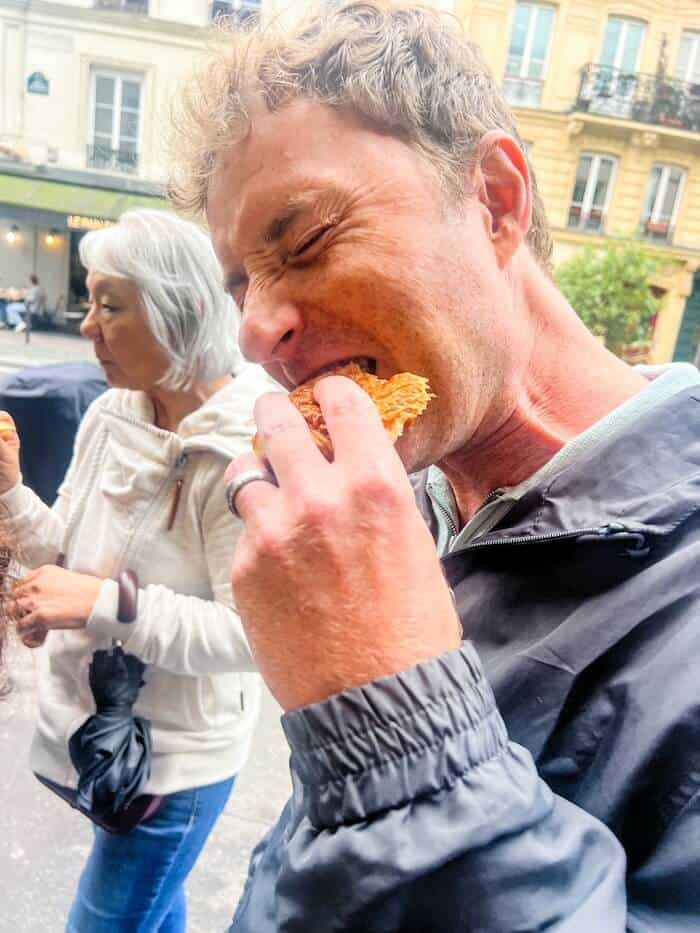
We’ve loved our tours with The Tour Guy and Secret Food Tours, but not all tours are created equal. Some are huge groups that can make it harder to visit places in cities like Paris that can have teeny tiny storefronts.
Navigating a huge group can also make it harder to hear your guide.
Smaller groups offer a more intimate experience and make it more likely that you’re having curated bites of food over tours that cater to a larger group. What I’m hinting at here is that it’s hard to feed a huge group often and well.
DON’T hide your food sensitivities/allergies.
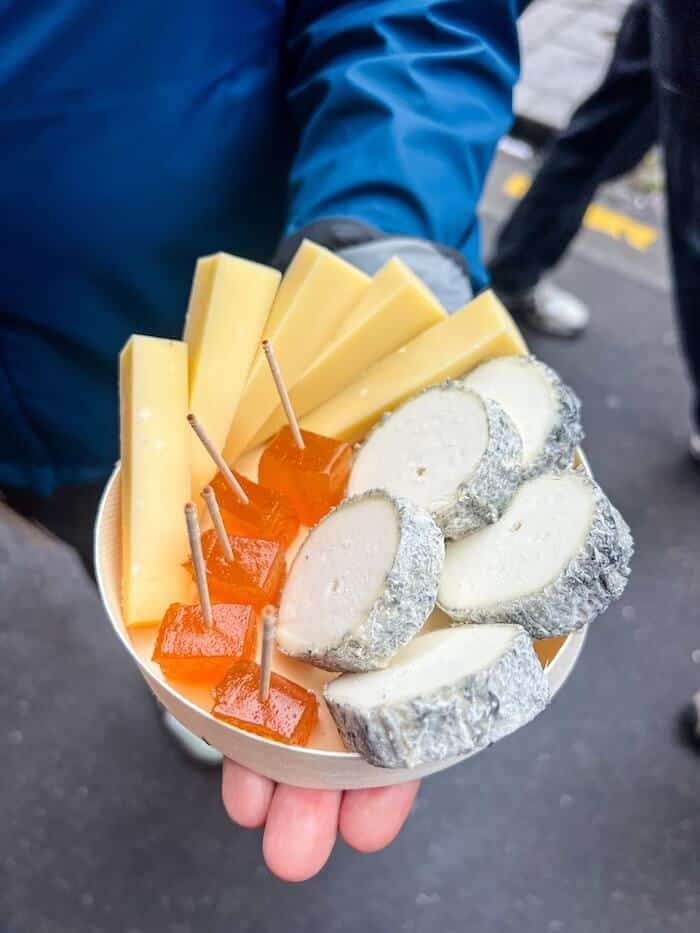
Before you book that tour, read through the description of what that tour includes. If it’s a walk through the meats of Rome and you’re a vegetarian, that’s not the tour for you.
Once you’ve found a tour you like, there will generally be a box for you to add information about existing food sensitivities or allergies.
You should always let tour guides know of any dietary restrictions well in advance so they can plan in advance, as oftentimes local foods are pre-purchased.
If you just don’t think you like peppers or something, I urge you to be brave. If you’re lactose intolerant, spare the rest of the group the aftermath of what happens when you consume cheese and let your guide know upon booking.
DO dress comfortably.
The tours we’ve been on were all walking tours, not bus tours. That’s generally the best way to experience a neighborhood.
It’s also generally most efficient, as you’re not spending time loading and unloading a bus full of people or having your guide find places to park.
That means you’ll want to wear comfortable walking shoes. This isn’t the time to break in those new kicks. Wear shoes that will withstand a few hours of walking, and be prepared for tours to happen rain or shine.
DON’T expect fine dining.

Food tours generally highlight casual, local eateries, so manage your expectations and embrace the authenticity of that.
On the best food tours, you’ll be eating as the locals do, and that’s still an important culinary experience. Locals don’t generally spend each meal of the day at Michelin-starred eateries.
If you’re lucky, you may even meet some street food vendors to return to later on in your trip. They often offer some of the most authentic local flavors, so don’t shy away from trying them.
Note: Your local guide will be there to help you choose the best bites, or they’ll have a few picked out already.
DO make your tour on time.
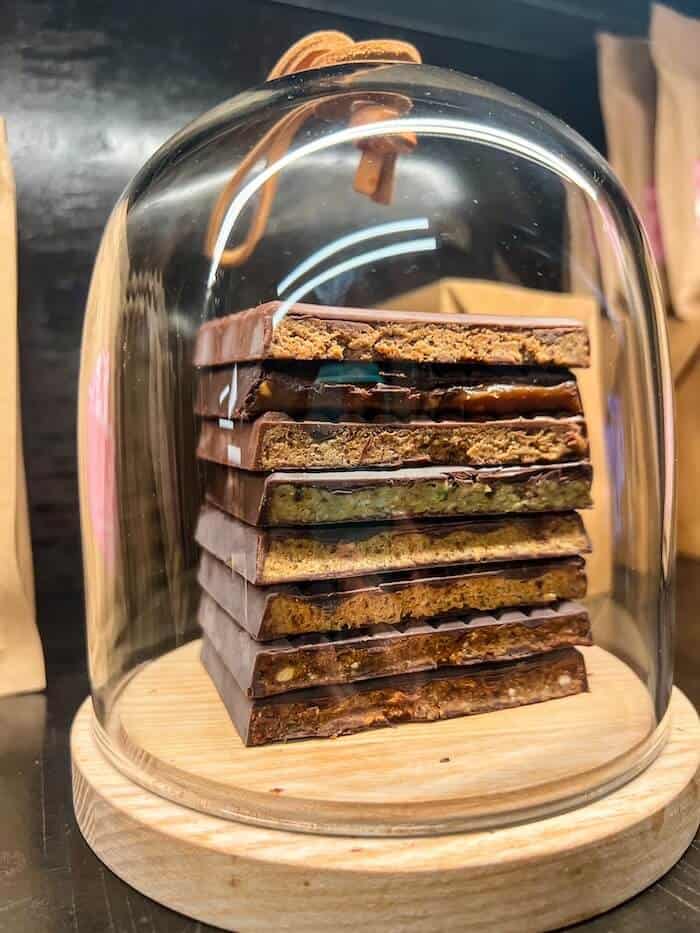
Food tours may feel like a casual, flexible afternoon when you’re the participant, but every tour we’ve been on has involved stops at set times. These tours run on a schedule, especially if there are reservations at restaurants planned during your tour.
Aim to get to your starting point at least 10 minutes ahead of your tour. Figure out your route the night before, over the morning of, so you’re not surprised by anything last-minute.
Being punctual isn’t just good manners. It makes sure your group gets to everything on the itinerary.
DON’T book a food tour if you don’t like eating.
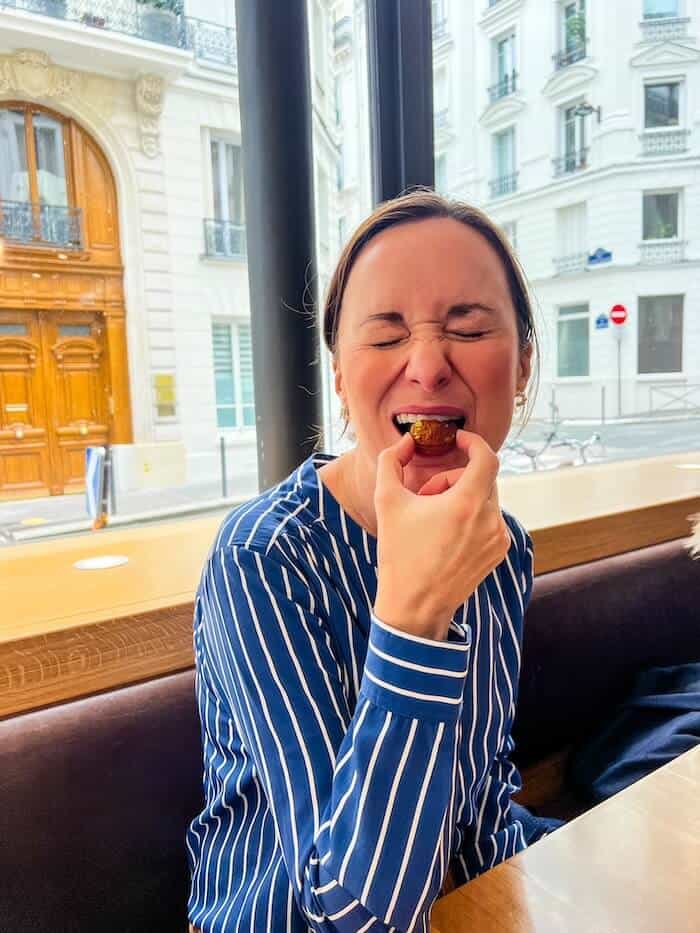
A food tour involves eating, and quite a bit of it. For us, it’s the best way to get a taste (see what I did there?) of local life, but for some, food can be intimidating.
There was a woman on our Paris food tour who just didn’t like to eat. I’m serious. She poo-pooed everything that was offered to her throughout the afternoon. In an intimate group, that can really mess with the vibes of a tour. Don’t do that.
If you’re not an adventurous eater or just like what you like with little flexibility, maybe a historical tour is more up your alley.
Fun fact: On a tour that doesn’t revolve around eating, you’ll still learn about the new place you’re visiting. It’ll just be without the pressure of trying things you already know you won’t like.
I’m not even being snarky here. If you don’t like to taste new foods, you’re not going to enjoy a food tour. In fact, it’ll likely just stress you out, on top of stressing out the guide and irritating your group.
DO try things you’re not sure about.
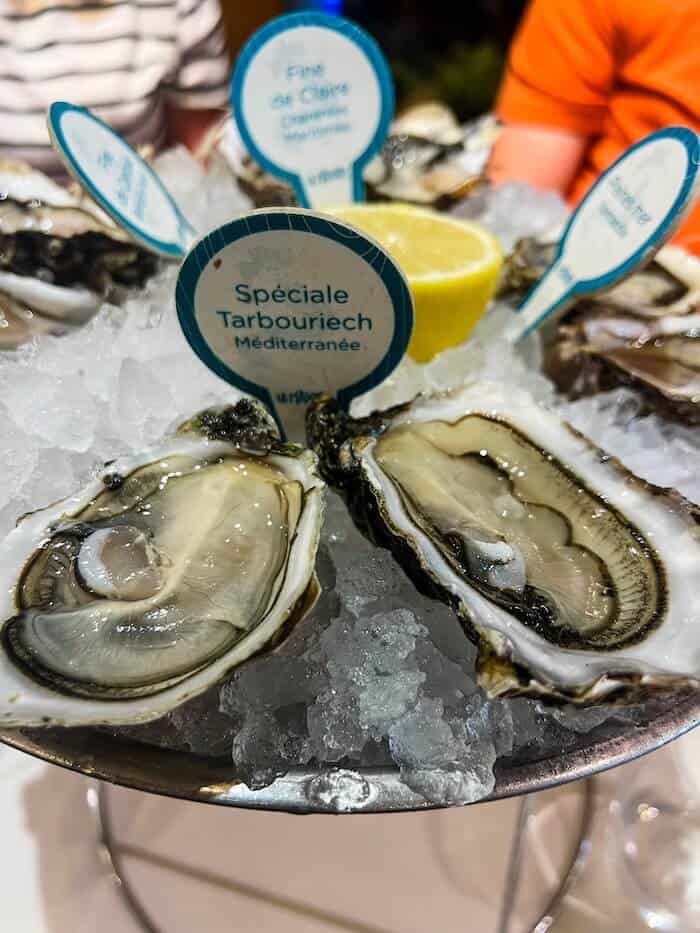
I ate four oysters on one food tour in Paris. I still don’t like ’em, but that’s OK. I wanted to see what the fuss was about when our guide was talking up the best oysters in Paris.
Now, as I don’t have anything to compare to, I can’t confirm or deny whether they were that great, other than I didn’t leave the experience loving those briny boogers of the sea.
That doesn’t mean I’m soured on trying things I don’t think I’ll like on future food tours. Trying new flavors builds your palate and makes you a braver traveler. It also makes you less likely to annoy the rest of your group with your picky eating habits.
DON’T forget your manners.

Be polite with your guide, vendors, and your group participants. Watch your volume and any behavior that belongs in a barn. Different cultures have different dining customs, so observe how locals eat and follow their lead. Wait your turn.
If you don’t like something, express it discreetly with your guide. Don’t insult the local cuisine, especially if you’re a known picky eater. Learn a few basic phrases in the local language to express your appreciation at each stop.
“Thank you” in the local language is a great start.
Fun fact: If your food tour is in France, you’ll want to greet every local with a “Bonjour.” It’s just the polite thing to do. Notice the difference that simple word makes.
DO pace yourself.

The best tours will leave you feeling quite full by the end. As I have few limits when it comes to eating, I generally indulge in everything offered to me over the course of a tour. Brian is the same way.
If you’re more of the little bird type and are worried you won’t be able to handle several hours of snacking, you may want to practice some portion control. Maybe you don’t take the second sample of cured meats so that you’re able to savor what’s to come.
Again, if you’re a snacking monster like I am, this may not apply to you. I’d just hate to have you ignore your body’s cues to the point of discomfort because you wanted to prove something to yourself.
DON’T do your own thing.
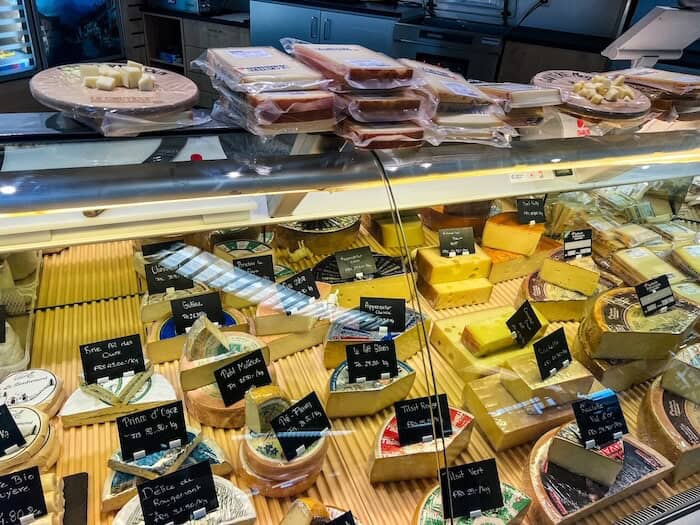
If your guide wanted you to go down that cute street over there, they’d send you over there. Take a mental note of things you see along the way to return to later. It’s more important that you stay with the group.
Your guide is there to offer context about what you’re eating. All of our food tours have some with more than information about the food, but also about the history of each place. That’s meaningful stuff, and it results in a more well-rounded experience.
If you’re over there taking photos of some mechanical Santa in the window, you’re going to miss what’s happening with the group.
Note: It may also make the group less efficient because now they have to wait for you to finish whatever the heck you’re doing.
Listen to instructions, follow your guide, and enjoy the journey with your fellow foodies. Maybe you’ll even make some friends.
DO ask questions.
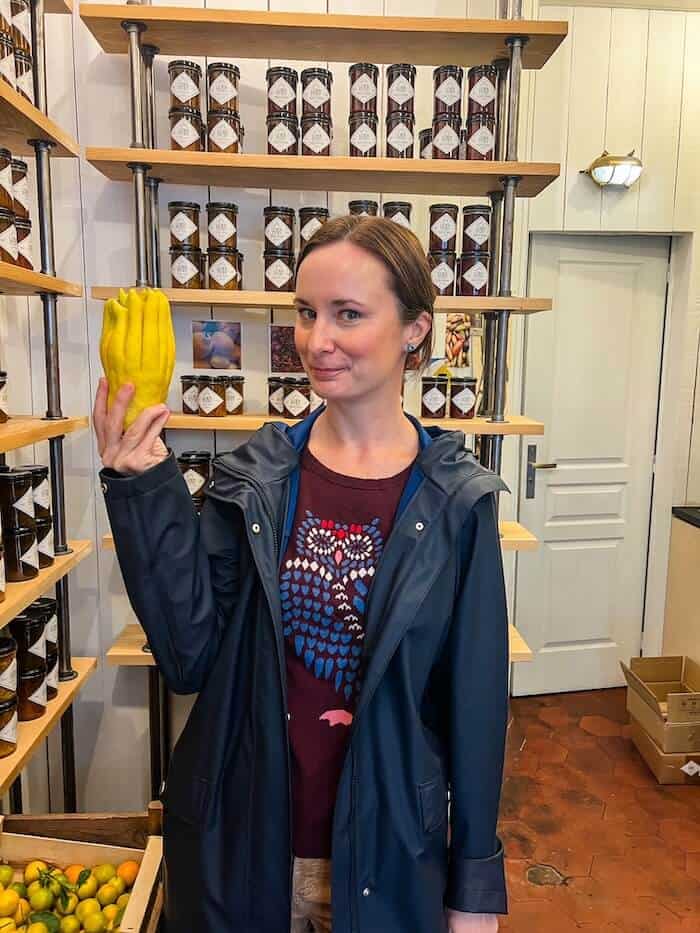
This is the time to learn and immerse yourself in an important cultural touchstone for many countries. Engage with your guide about the dishes’ origins, preparation, and cultural significance.
So many of the places we visit are deeply connected to food. That’s especially true in countries like Italy, where you might think you know all there is to know about pasta.
There are nuances and specialties to each region, and I promise you don’t know everything.
DON’T let your desire to document spoil the experience.
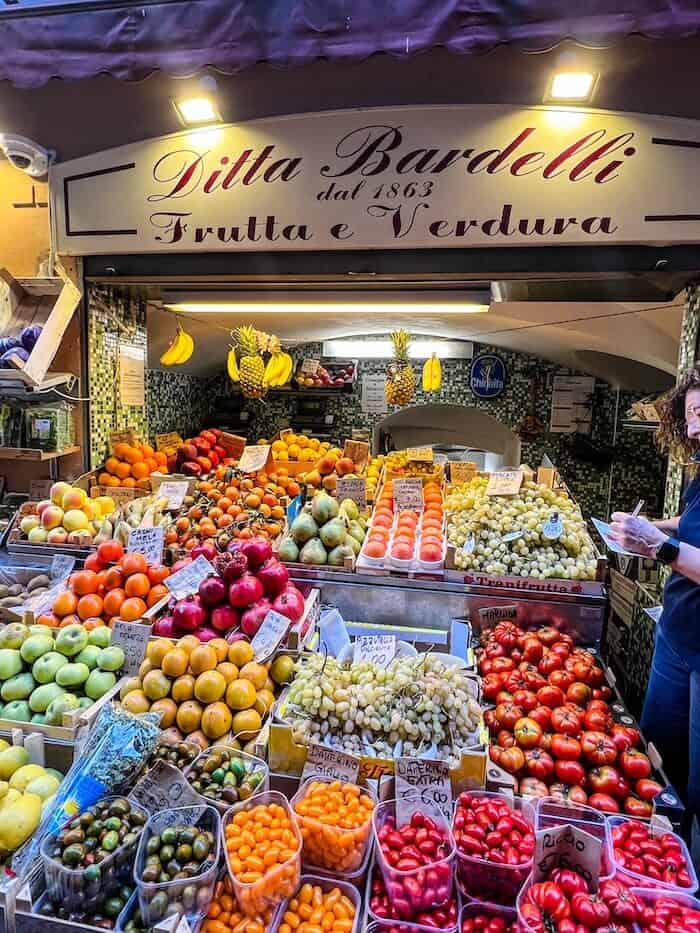
Brian knows the phone always eats first, but we both know that it’s most important to be mindful of what and how we’re taking pictures to not disrupt the flow of the moment.
Food photos can help you remember everything you enjoyed, but they can also be a distraction.
On a food tour in Bologna, one of the participants had a knack for elbowing her way into situations for photos where she wasn’t welcome. That included a workplace for pasta makers where we were asked to watch from afar. She didn’t like that.
The customer isn’t actually always right in these situations, especially when it comes to phone usage on tours.
READ MORE: Bologna is a food lover’s paradise. See all the things we got up to while we were there.
DO tip.
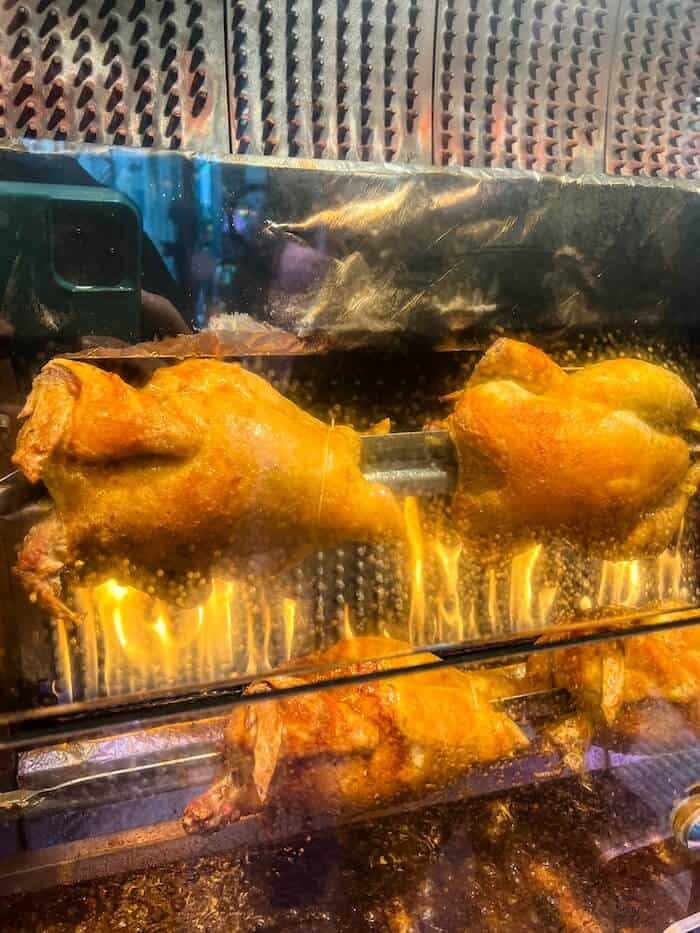
If you can afford to book a food tour, you can afford to tip. Oftentimes, these things run long, and these guides exercise way more patience than they should sometimes.
Unless you truly have a horrific time (I doubt you would!) have some cash on hand to give your guide at the end. Anything around 10% of your tour price is a great start.
DON’T gatekeep your experience.
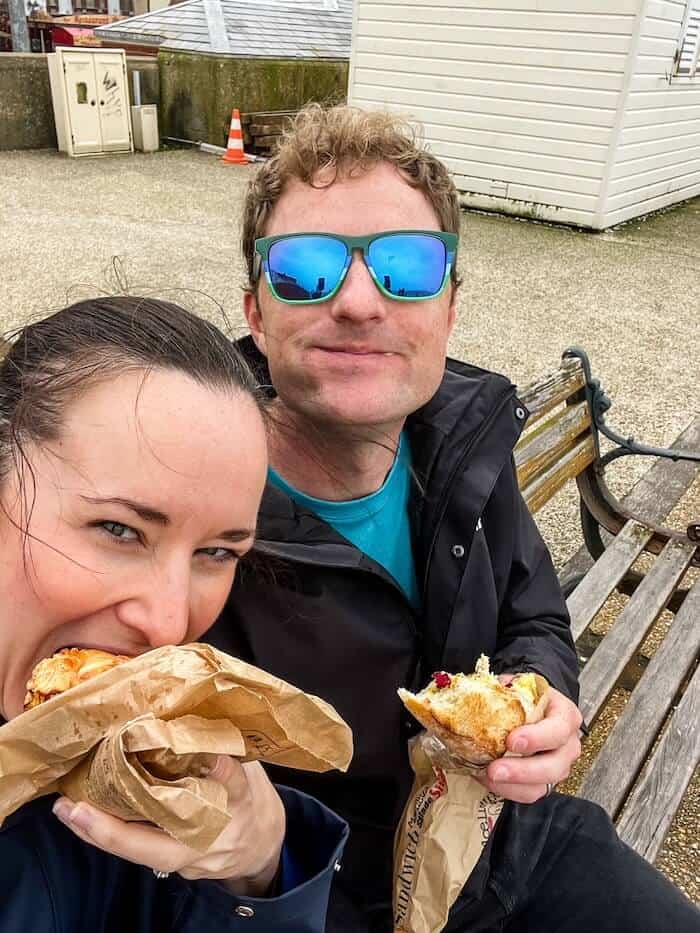
I tell anyone who will listen that food tours are such a great way to experience a new place. Immersing yourself in food culture for a few hours is a great way to learn about a neighborhood, city, or region and get some context along the way.
Once you’ve been on a foodie experience of your own, share it with others. In so many cultures, food is meant to be a communal experience. Sharing your experience with other travelers can help others connect with new places in a deeper way, just as you did.
Deepen your connection with a place through its food.
Food tours offer a real connection to the local culture, whether it’s through chatting with vendors or learning about what you’re indulging in through your guide. That can mean a deeper appreciation for places many only experience on a surface level.
You may even find a hidden gem on your tour that you might not have discovered on your own. I know. I hate that phrase, too.
The thing is, I thought I knew Paris until our food tour when I realized that there are SO many nooks to discover that offer a more intimate perspective.
Food tours encourage participants to step out of their comfort zone and try new things. Engaging the senses means a more memorable experience of a place beyond the photos you take. I’m sure we’ll have another booked again soon.
Eat your way through some of my favorite places:
- Bologna Will Always Have My Heart!
- A Guide to Visiting Incredible Nashville
- How to Spend a Weekend in Lovely Nice
- Why Bogota Should Make Your List
- Pequod’s Pizza Is Chicago’s Best Pizza
More travel tips as you plan your vacation:
- Unique Gifts to Peruse for Travelers
- How to Pass the Time on a Really Long Flight
- The Best Travel Pillow for Your Next Trip
- Airbnb Tips You Really Should Know About
- Tips for Couples Who Love Road Trips

Want to see more?
Subscribe to my biweekly newsletter for hot travel tips I come across, weird stories you won’t see elsewhere and perhaps lifelong friendship.
Too much, or just enough?
