
Malta might look tiny on a map, but getting around isn’t always as simple as you’d expect. Between crowded buses, winding roads, and the occasional weather disruption, your transportation choices can really shape your trip.
The good news is that you don’t need to rely on just one method. Most travelers, including ourselves, end up mixing and matching depending on the day.
Some options are cheaper, some are faster, and some are just far easier when you don’t want to think too hard about logistics.
This guide gets into everything you need to know about how to get around Malta, personal travel fails included.
Quick Tips for Your Malta Visit
Your Flight: Budget flights into Malta International Airport are common if you keep an eye on deals. Use Skyscanner to make that happen. Love deals? Subscribe to Going.
Your Accommodations: We stayed at the Sliema Studios in Sliema for our quick trip, and I’d recommend it. Browse Booking.com or Hotels.com for more options. Vrbo is my Airbnb alternative.
Your Ride: You don’t need a car to explore Malta, but it can make trips to rural areas easier. For flexibility, book a rental car ahead of time.
Top Spots: Explore Valletta, see the “Silent City” of Mdina, and tour the Ħaġar Qim and Mnajdra temples.
Disclosure: Travel on the Reg uses affiliate links to keep things running around here. At no additional cost to you, I earn a lil’ commission if you make a purchase. Any income earned supports the upkeep of this site. I appreciate you!
What’s the best way to get around Malta?
If you just want the quick answer:
- Best budget option: Public buses
- Best for speed and convenience: Bolt/Uber
- Best for flexibility: Rental car
- Best for low-stress exploring: Private driver or day tour
- Best for views: Ferries
In reality, most people will end up using a mix. That’s what we did during our three days in Malta, and it worked well, despite some chaotic moments.
How to Get Around Malta Without a Car
You don’t need a car in Malta, especially if you’re staying in places like Sliema or Valletta. We didn’t end up renting one, but your options from there come with trade-offs.
Public Buses in Malta
Malta’s buses are the main source of public transport on the island. They’re cheap, they go almost everywhere, and paying is simple. You can just tap your card when you board.
We took the bus from Sliema to Valletta, and while it was straightforward, it was also one of the most chaotic parts of our day.
The bus filled up quickly, and the ride took nearly an hour thanks to the traffic and stops where the driver would plead to tourists to move to the back of the bus.
I say tourists here on purpose. You won’t find many locals on the public buses here. They’re more likely to drive, even though they get free rides as Maltese residents. It’s a bummer, but I get it.
That said, the buses work. If you’re not in a rush and you’re okay with touching strangers, buses are a viable way to get around.
Fun fact: Before 2011, Malta’s buses were individually owned and decorated by their drivers. Each one looked different, with bright colors, religious icons, and even handwritten signs.
Malta Ferries
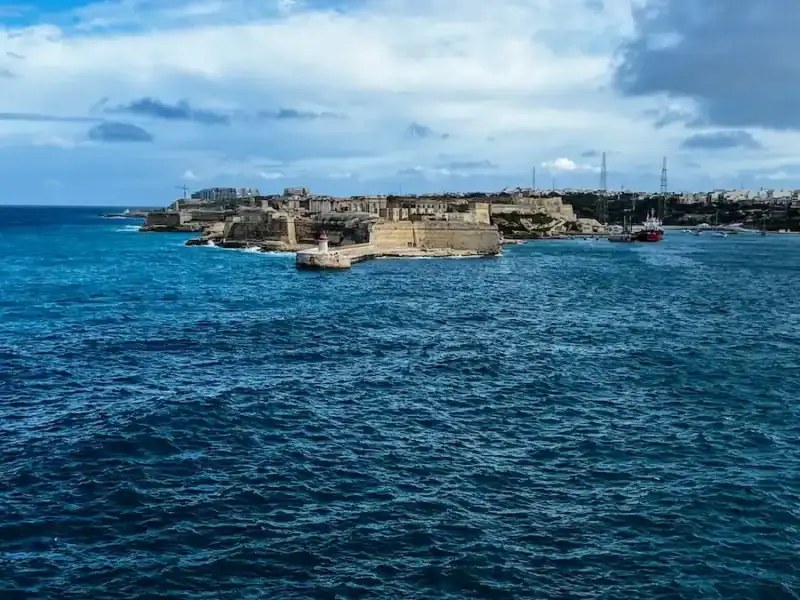
Ferries are a nicer way to get around Malta. Instead of sitting in traffic, you’re out on the water with views of the harbor. It makes the journey feel like part of the experience rather than just a way to get from point A to point B.
The main tradeoff is that they don’t run as frequently as buses. They usually run about every 30 minutes, so you have to plan around the schedule a bit. For routes like Sliema to Valletta, it’s often the more enjoyable choice, even if it takes a little longer.
For most ferries in Malta, you buy a ticket before boarding or at the terminal. On common routes like Sliema to Valletta, you can buy tickets at a ticket booth or machine near the dock. Some operators also allow you to pay on board, but this isn’t guaranteed.
Just plan to arrive a few minutes early in case you need to grab a ticket before boarding.
READ MORE: Love destinations that involve ferry travel? Check out this guide to Crete!
Rideshares (Bolt & Uber)
Traditional taxis can be expensive in Malta, which is why many travelers prefer using apps like Bolt or Uber for more transparent pricing. We ended up using Bolt more than we expected, mostly because it just made things easier.
After a long day exploring Valletta, or when we realized a bus would take over an hour, calling a ride was an easy decision.
It was especially helpful for getting to places like Mdina. Our ride took us about 25 minutes from Valletta, whereas the bus would have taken over an hour.
Note: Uber is also available, but Bolt was consistently cheaper for us during the trip. We didn’t see any noticeable difference in wait times, and every car we got from Bolt was high-quality, clean, and safe.
It’s not the most budget-friendly option, but it’s far from expensive, and when you factor in saved time and bonus personal space, it feels like a decent trade.
Private Drivers and Day Tours (Easiest Option)
If you want to remove as much friction as possible from your trip, this is where private drivers come in.
We used Daytrip for one of our days, and it ended up being one of the smoothest parts of our trip. Daytrip connects you with local, vetted drivers who handle the transportation and add knowledge about the area.
Instead of a standard point A to point B transfer, you can build in stops along the way, and your driver can share context about what you’re seeing.
It feels like a hybrid between a transfer and a guided experience, but without the structure or time pressures of a traditional tour.
In our case, that local knowledge really came in handy. When our original plan to visit the Blue Grotto by boat fell through due to the weather, our driver adjusted the route on the spot and suggested alternative stops along the way.
It took all the stress out of replanning and let us just enjoy the experience. We still stopped at a viewpoint over the Blue Grotto, but added a visit to the prehistoric temples at Ħaġar Qim and Mnajdra.
From there, we spent time in the charming fishing village of Marsaxlokk, all without worrying about connections, timing, or logistics.
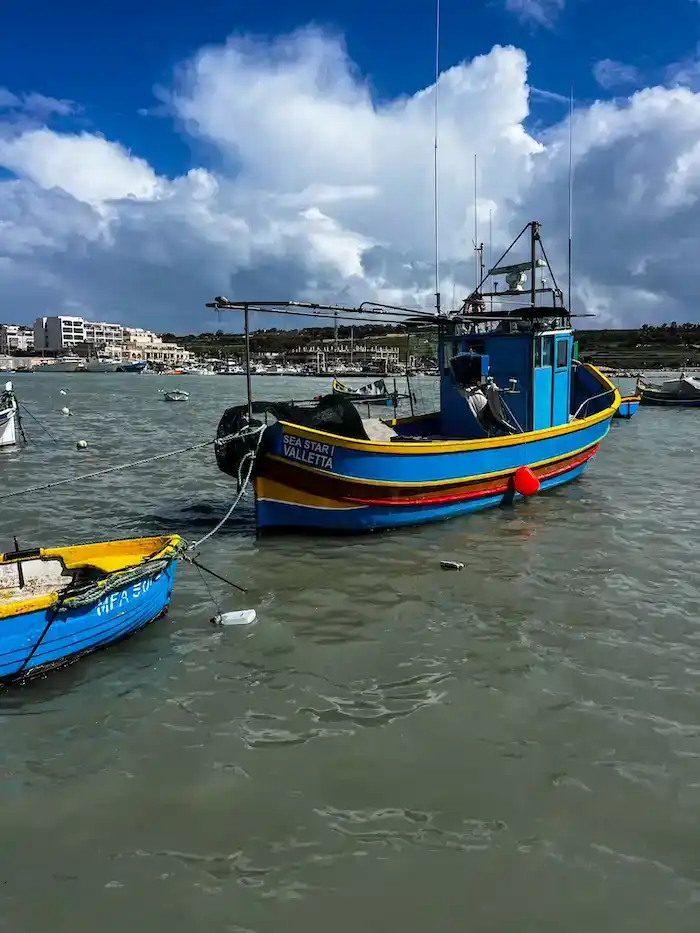
Private drivers are more of a splurge compared to public transport, but if you’re taking rideshare everywhere, costs may be comparable. It’s also a great option if you’re short on time.
Here are a few more highly-rated options for guided tours in Malta:
Renting a Car in Malta
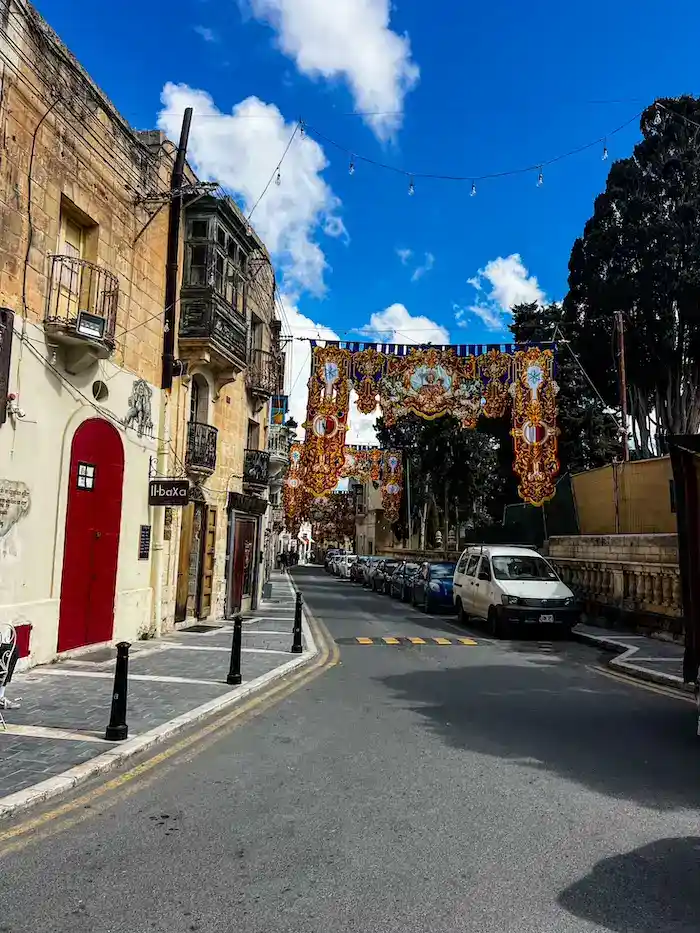
Renting a car gives you the most flexibility, but it also comes with a learning curve. As a disclaimer, I don’t have any regrets about forgoing the rental in Malta, even though we’ve been to lots of destinations where it really opened up our options.
Should you drive in Malta?
Driving in Malta means driving on the left side of the road, navigating narrow streets, and dealing with heavy traffic, especially around the cities. Parking can also be hit or miss, depending on where you are.
We chose not to rent a car, but there were definitely moments, especially when heading to more rural areas, where it would’ve been convenient. Places like the Dingli Cliffs are easier to reach when you’re not relying on bus routes or long walks.
Fun fact: We walked 46 minutes from Rabat to the cliffs to avoid waiting for the next bus for 41 minutes. I guess that’s what winning looks like?
If you’re a confident driver and plan to explore beyond the main cities, renting a car can make a lot of sense. Otherwise, it’s entirely possible to get around without one by combining options as we did, especially on a shorter trip.
READ MORE: We rented a car in Tenerife on a trip to the Canary Islands. Check out whether it was worth it!
Getting To and From the Airport in Malta
Arriving in a new country is always a mental load, so we always have a plan on how to get to our accommodations before we land. Our accommodations (Sliema Studios) included a ride from the airport, so we arranged that pick-up at booking.
Note: Make sure you’re always reading the fine print on accommodation bookings, just in case your pick offers the same. For us, having that ride started the trip off on a low-stress foot.
You can also use Bolt or Uber directly from the airport, or take a public bus if you’re trying to save money. The bus works, but it’s slower and less convenient, especially with luggage.
How do you get to Gozo from Malta?
The most common way to reach Gozo is by ferry from Ċirkewwa (northern Malta) to Mgarr Harbour in Gozo. Ferries run frequently throughout the day and take about 25 minutes.
You can drive, take a bus, or book a private driver to the ferry terminal. Once on Gozo, you can use local buses, taxis, or a rental car to explore the island.
Bonus Tips for Getting Around Malta
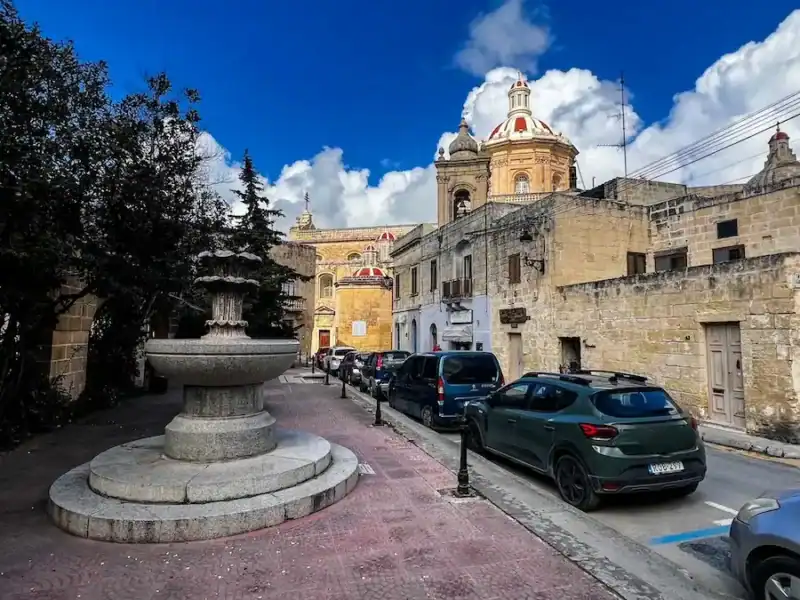
Even with a solid plan, getting around Malta can come with a few surprises. These are the small, practical things we learned along the way:
- Buses can fill up quickly, especially on popular routes. If you don’t mind waiting, they run often enough that catching the next one may be the better idea vs. jostling for space.
- Always allow more time than you think you need, whether you’re driving yourself or taking public transport. Traffic on the island is intense.
- Download ride apps before arriving. If you’re traveling to rural parts of Malta, download offline maps, as well.
- Contactless payment works almost everywhere, but if you’re booking a private driver/guided excursion, have some cash on hand for tips.
- The weather can impact plans, especially boat trips. Be flexible with a Plan B, or even a Plan C, especially if you’re not visiting in the summer months.
Getting around Malta is pretty straightforward.
That said, a little planning goes a long way. Between buses, ferries, rideshares, and the occasional private driver, you can tailor your transport to match your style, budget, and schedule.
Whether you’re in Valletta, chasing Game of Thrones locations in Mdina, or venturing out to the Dingli Cliffs, knowing your options makes the island more accessible.
Traveling elsewhere in Europe? Check these out:
- How to Spend the Day in Chania
- Should You Rent a Car on Trips to Crete?
- Tips for Driving in France as a Tourist
- Explore the Most Beautiful Places in Brittany
- Plan an Incredible Iceland Road Trip
More island destinations we’ve loved:
- How to Spend Five Days on Tenerife
- A Complete Guide to Hiking Roque de Taborno
- Should You Plan a Visit to Koh Lanta?
- Things to Do on Trips to Easter Island
- An Itinerary for the Best of Oahu

Want to see more?
Subscribe to my biweekly newsletter for hot travel tips I come across, weird stories you won’t see elsewhere and perhaps lifelong friendship.
Too much, or just enough?
