
By the time winter rolls around in France, the landscape is often a soggy mix of mud, gray skies, and damp cold. I’m all about getting cozy when it’s cold out, but it does get to be a little much.
During our time here, Spain has consistently answered the call for wintertime destinations offering more sun. One year we visited Seville. The following, we decided to join the Brits in their annual escape to winter in Tenerife.
This guide to visiting Tenerife in winter highlights the island’s variety as a destination that offers more than beaches for not only sun-seekers, but also nature lovers. Yes, it’s touristy, but Tenerife was a solid antidote to our winter blues.
I’ll show you what to expect, how to make the most of your time here, and why winter may just be the best time to experience Tenerife.
Quick Tips for Your Tenerife Visit
Your Flight: The island has two international airports: Tenerife South Airport (TFS) handles most international and long-haul flights. Tenerife North Airport (TFN) serves domestic flights from mainland Spain and other Canary Islands.
Find deals to Tenerife on Skyscanner. Love deals? Subscribe to Going.
Your Accommodations: We stayed at the Perla Gris Aparthotel for our week in Tenerife. It was more budget-friendly than most resort-style accommodations in the southern part of the island.
Browse Booking.com or Hotels.com for more options. Vrbo is my Airbnb alternative.
Your Ride: You’ll want a car to get around Tenerife, especially if you want to experience a more authentic side of the island. Book a rental car ahead of time.
Top Spots: See the cloud forests of Anaga Rural Park, go stargazing at Tiede National Park, and stroll the coast near Los Gigantes.
Disclosure: Travel on the Reg uses affiliate links to keep things running around here. At no additional cost to you, I earn a lil’ commission if you make a purchase. Any income earned supports the upkeep of this site. I appreciate you!
Is Tenerife worth visiting in winter?
Tenerife is a year-round destination, but winter is a sweet spot for many Europeans looking for sunshine without a long-haul flight.
Mild winter weather and a wide range of outdoor pursuits make the island appealing even when it’s not quite warm enough to swim.
That’s what makes winter such a good time to visit Tenerife. Cooler temperatures are ideal for exploring volcanic scenery, walking coastal paths, and spending time outdoors without the heat.
For travelers outside of Europe, though, you may have more budget-friendly options. I found the vibes in Tenerife quite similar to destinations like Hawaii or the Caribbean, both easier to get to for those in the United States.
As we were coming from France, it was a budget-friendly, direct flight.
What is winter like in Tenerife?
Winter in Tenerife feels more like a mild spring than a true winter. From December through February, daytime temperatures sit in the high 60s to low 70s°F (around 20 to 23°C), with evenings in the upper 50s to low 60s°F (14 to 17°C).
The island’s climate varies noticeably by region, though. Northern Tenerife is greener, slightly cooler, and more humid, which is why you’ll see more cloud cover there in winter.
Southern Tenerife is drier and sunnier, making it the most popular base for winter sun and beach time.
The Atlantic Ocean cools in winter, with sea temperatures generally around 65 to 68°F (18 to 20°C). Swimming is still possible, particularly on sunny days, and we saw lots of tourists taking advantage of sunny beach days, even when we abstained.
Note: Brian took a dip in our somewhat heated pool on the warmest day, but even that was a little too chilly for him.
Winter is technically the rainiest time of year in Tenerife, but rainfall is usually limited to short, passing showers rather than long stretches of bad weather.
The north sees more rain than the south, though. We experienced wet weather every time we visited northern Tenerife.
Is Tenerife warm enough in winter?
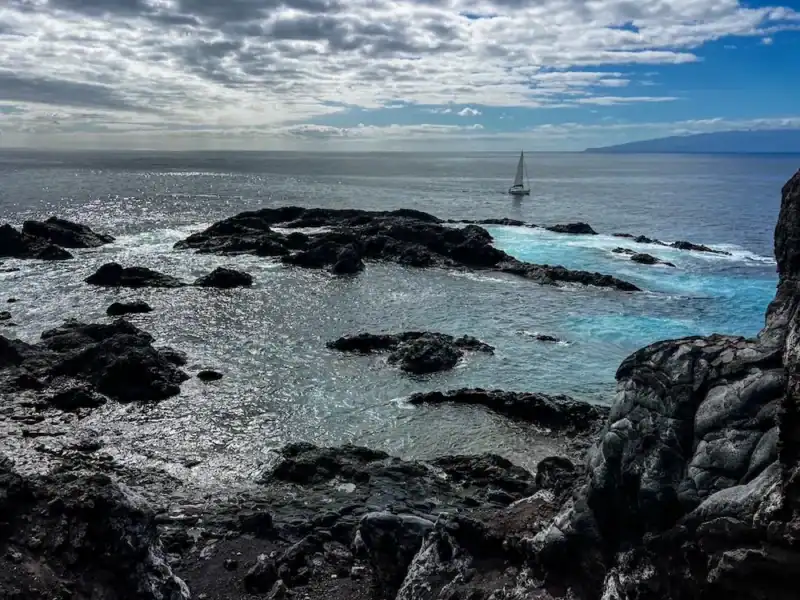
In winter, Tenerife isn’t tropical-hot, but I’ll call it consistently comfortable. Days are often warm enough for sitting outside, sightseeing without overheating, and spending time by the ocean in a light layer or short sleeves.
If you’re here to swap scarves for sunshine, Tenerife delivers on that. It just isn’t a destination for guaranteed, all-day beach heat in winter. Evenings feel cooler, especially after sunset, and you’ll notice the temperature drop more quickly than in summer.
Where you stay also matters. Southern Tenerife tends to feel noticeably warmer and sunnier in winter, while the north can feel cooler and more changeable, particularly on cloudy days.
Overall, winter in Tenerife is warm enough to feel like an escape from colder climates, without the intensity of summer heat. I know it did for us, as by that point, we’d had a solid six weeks of cold, wet weather in France.
Best Things to Do in Tenerife in Winter
Winter in Tenerife opens up a different side of the island. While you’ll still see travelers lounging on the beach, bellies full of full English breakfasts and beer, we found the mild temperatures perfect for spending time in nature.
You can steal our full itinerary for five full days in Tenerife, but these are some of the best things to do in Tenerife in winter, with a few seasonal considerations.
Go whale watching.
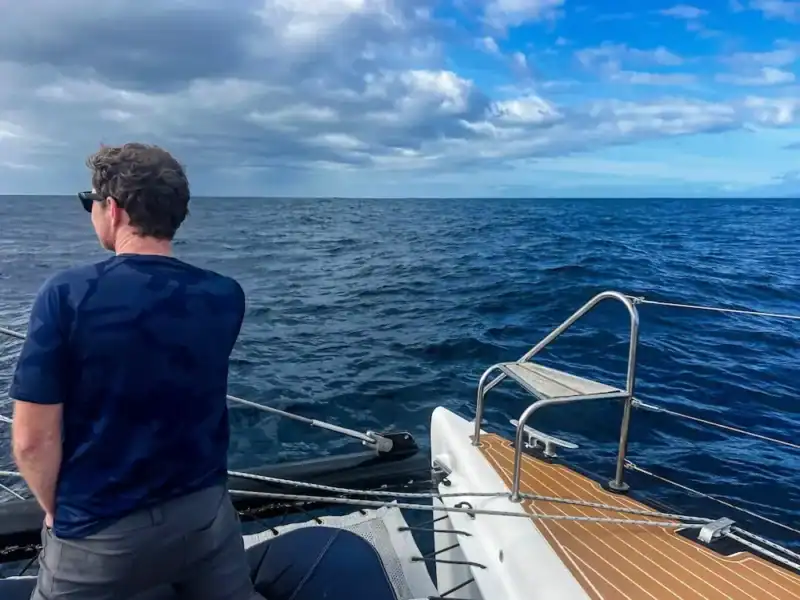
Winter is an ideal time for whale watching in Tenerife. Resident populations of pilot whales and dolphins hang around being all cute in the waters year-round. But there’s also a chance to spot migratory baleen whales that pass through on their Atlantic routes.
Fun fact: These can include fin whales, humpback whales, sei whales, blue whales, and minke whales, with fin and humpback sightings more common on winter tours.
I’ll be honest. Our whale watching was limited to the pilot whales and dolphins, but it was still pretty magical to see them playing in the waves. Book the tour we took!
Conditions are generally good for winter whale watching in Tenerife, though winter seas can be choppier than expected. That can be a factor if you’re prone to seasickness, as I am.
Full disclosure: Brian and another man were the only two who didn’t feel sick on our boat trip.
READ MORE: Want to go whale-watching in Tenerife? Check out my full review from our trip!
Explore Tenerife’s landscapes on foot, with caution.
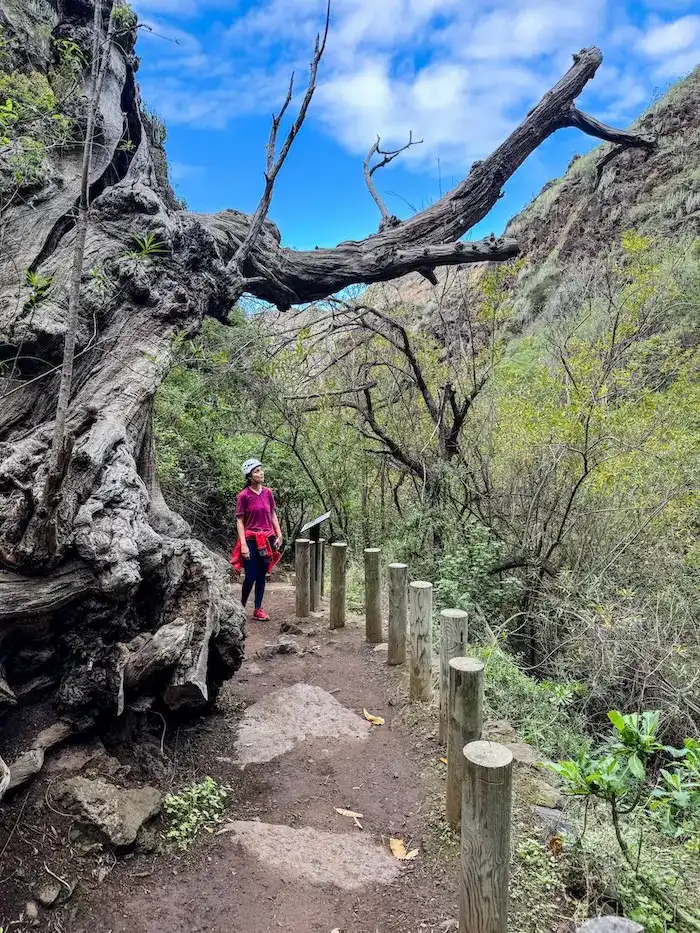
Cooler winter temperatures make hiking much more comfortable than in summer, especially at lower elevations and along the island’s coastal or forested trails.
Winter is ideal for scenic walks that would feel awful in the heat, especially when you’re surrounded by more tourists.
We loved the coastal trails that offered views of the dramatic cliffs of Los Gigantes, even if the island’s natural pools are best from afar.
Let’s talk about that part a bit more, as I’ve seen several blogs talk about how great the natural pools are for winter swimming. Winter swells on the island are unpredictable and can be dangerous.
Accidents have happened as recently as December 2025, when several tourists were swept away and drowned at the natural pool at Los Gigantes. This was after ignoring official warnings about the dangers there.
If you visit today, you’ll see it’s blocked by police tape. Even so, I’ve seen reviews online with instructions on how to access these places despite the barriers.
Listen to local warnings. Avoid swimming in rough conditions. Don’t listen to bros online telling you otherwise because they were fine on their visit. Tenerife in winter can be lovely, but it also comes with some precautions, many of which are commonsense.
Visit Teide National Park.
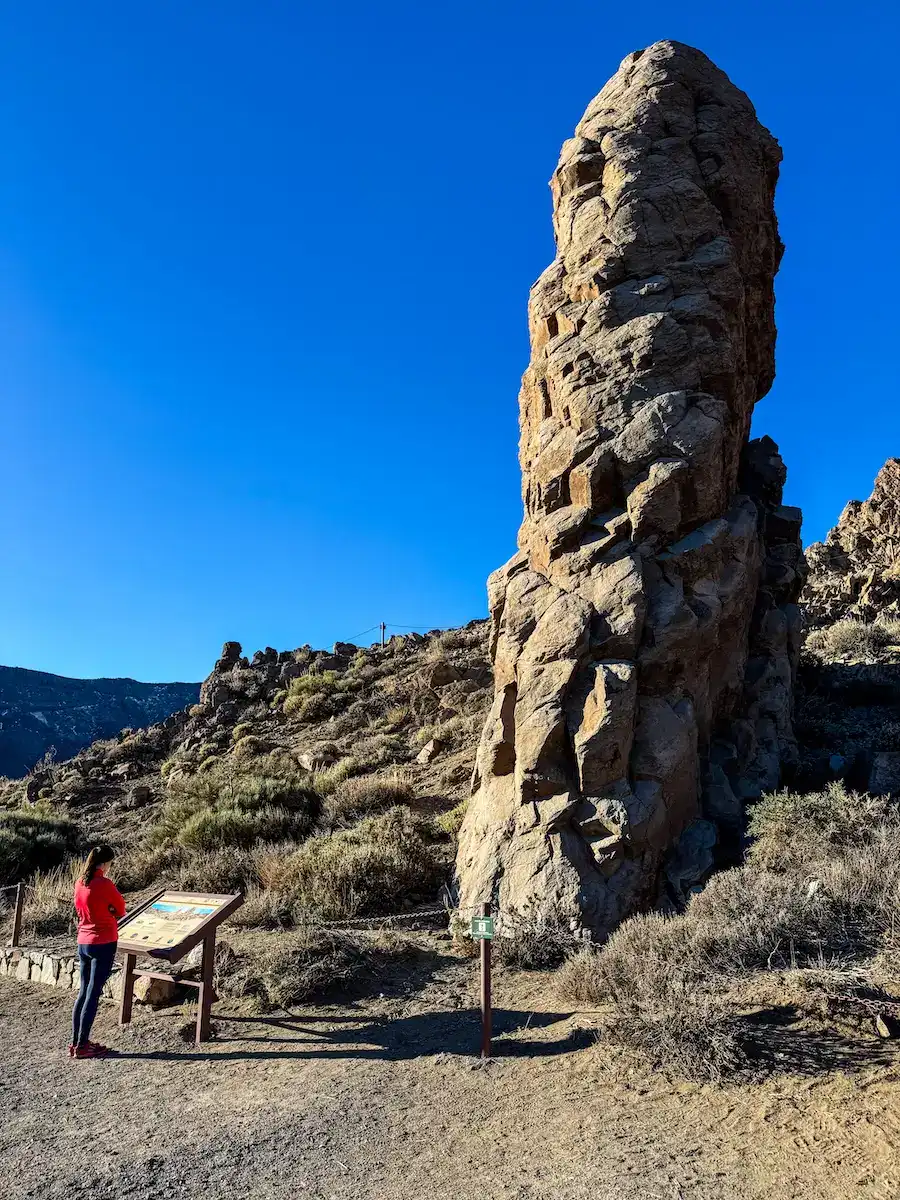
Winter in Teide National Park means big skies and the occasional snow dusting the upper slopes. While access can be limited by wind or weather, driving through the park and stopping at viewpoints along the way is usually fine year-round.
Hiking in the park is possible in winter, but it comes with some caveats.
Trekking to the summit of Mount Teide is restricted in much of winter and is only permitted for highly experienced hikers when icy conditions are present.
While you need permits year-round to head up there, you also need the right equipment if you’re here during those “expert” times.
You can still explore the vast majority of the park at lower elevations, though. We had a lot of fun along the Roques García trail, and were unaffected by any snow and ice.
The cable car is also frequently affected by wind and weather, with last-minute closures common in winter. I’d suggest it’s best not to plan your visit around it, or at the very least have a backup plan that involves hikes at a lower elevation so you’re not disappointed.
Note: After watching cable car closures for the days leading up to our trip, it was inexplicably open on the day of our trip to Teide. It was VERY busy when we drove by, though, so we didn’t feel like we missed out on anything, feeling grateful, instead, about ditching the headache.
Have a more relaxed time at the beach.
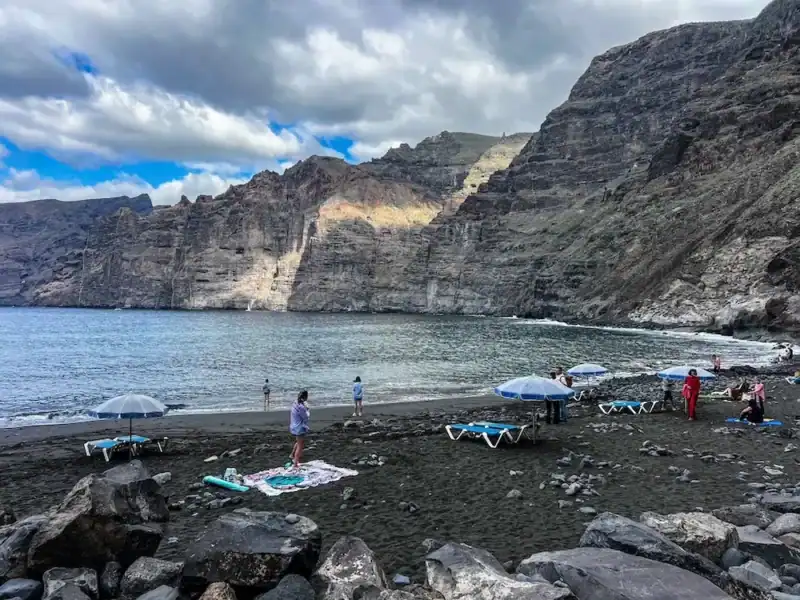
Beaches are still very much part of winter in Tenerife, but you’ll need to adjust your expectations if you’re used to sweating in the sand.
We saw lots of tourists sunbathing and enjoying the island’s black sand beaches during our trip, even though the ocean was still chilly. It just wasn’t warm enough for us.
We saw more of an appeal with walking along the coast or enjoying sunsets from beachfront bars.
Winter can also mean swimming conditions aren’t always safe, especially on exposed beaches, and you’re less likely to see lifeguards on duty. Paying attention to flags and local advice matters more in winter than at other times of the year.
Discover Tenerife’s towns and local life.
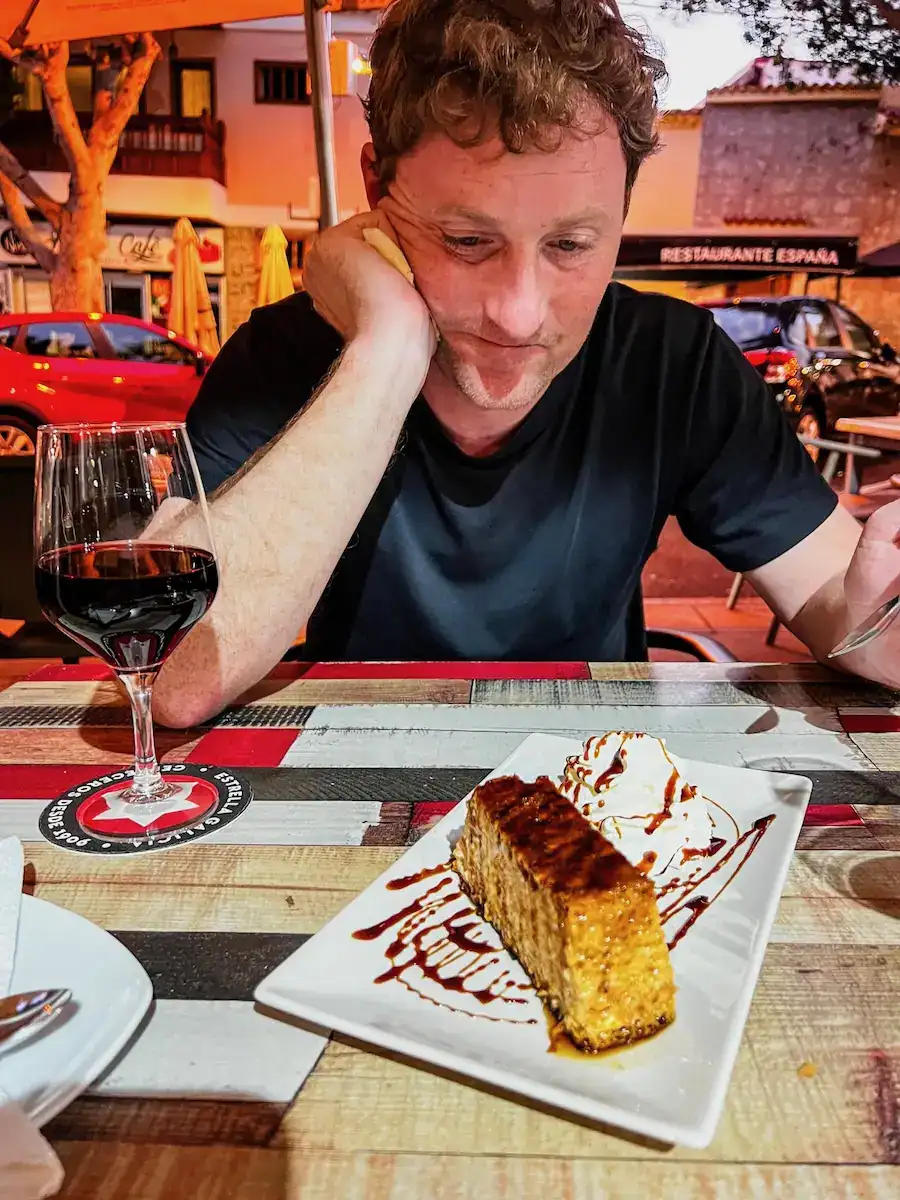
Winter is a great time to explore Tenerife’s towns. Cooler weather makes wandering the streets, lingering over long meals, and exploring inland areas far more enjoyable.
This is also when Tenerife feels less like a resort island and more like a place people actually live. If you stay at the resort all week, you won’t really understand this place, and may come away with the impression that it’s really just a tourist trap.
Honestly, you don’t even need to go that far to see “real” Tenerife.
We had a fantastic dinner of Canarian fried chicken among locals at Restaurante la Rambla one night. It was just 15 minutes east of our resort, and one of the best meals we had during our week in Tenerife.
Visit Anaga Rural Park.
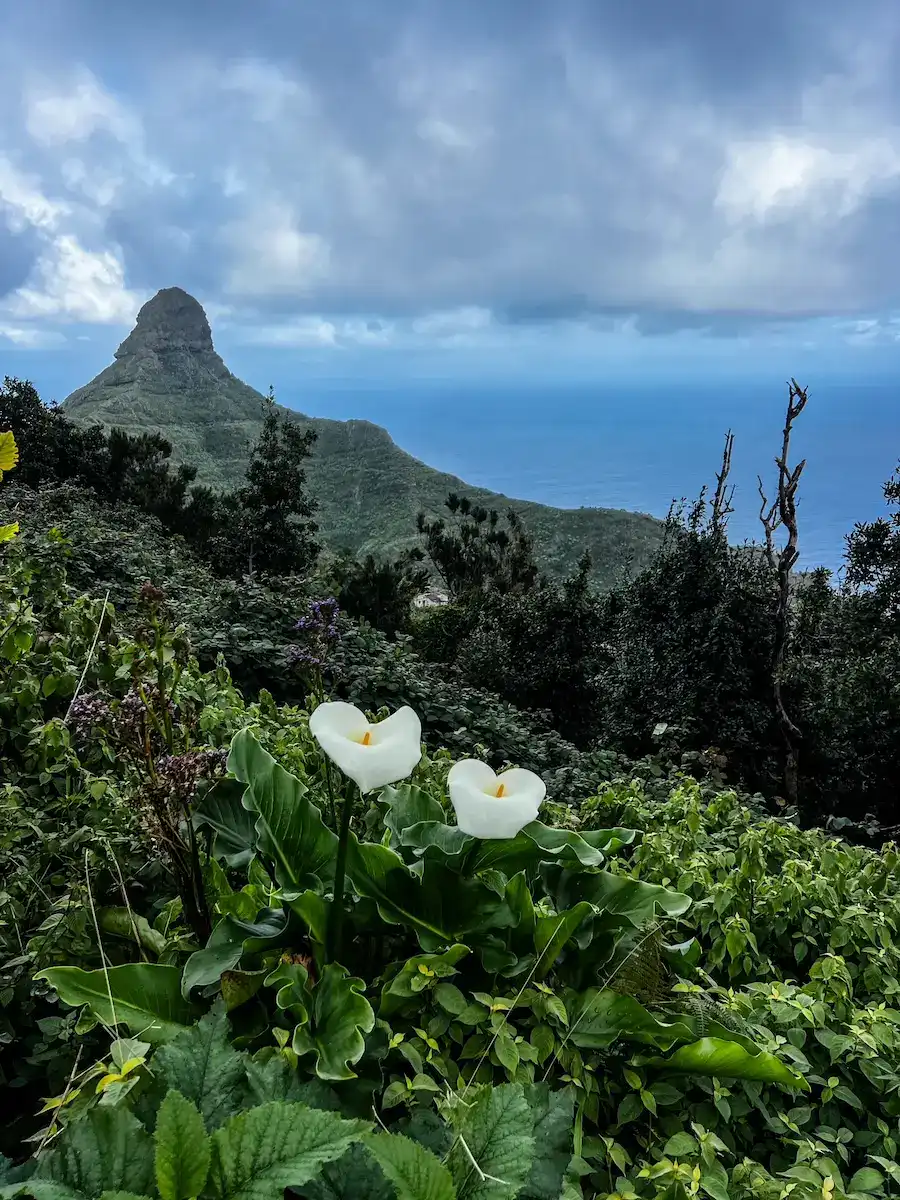
Anaga Rural Park is always super atmospheric, with its misty forests and lush greenery. There’s a reason it’s so green up here, though. The weather here is completely different from the rest of the island, and more often than not, it’s cooler, wetter, and cloudier.
Winter conditions mean you should be prepared with layers. Download maps if you’re hiking to account for spotty service. If you’re hiking Roque de Taborno, be prepared for the weather closer to the summit to be much different than the town level below.
We were caught in some blustery nonsense up there, and I’m not being dramatic when I say we were nearly blown off the side of a mountain. You can read all about our experience in our guide to Roque de Taborno.
Go stargazing.
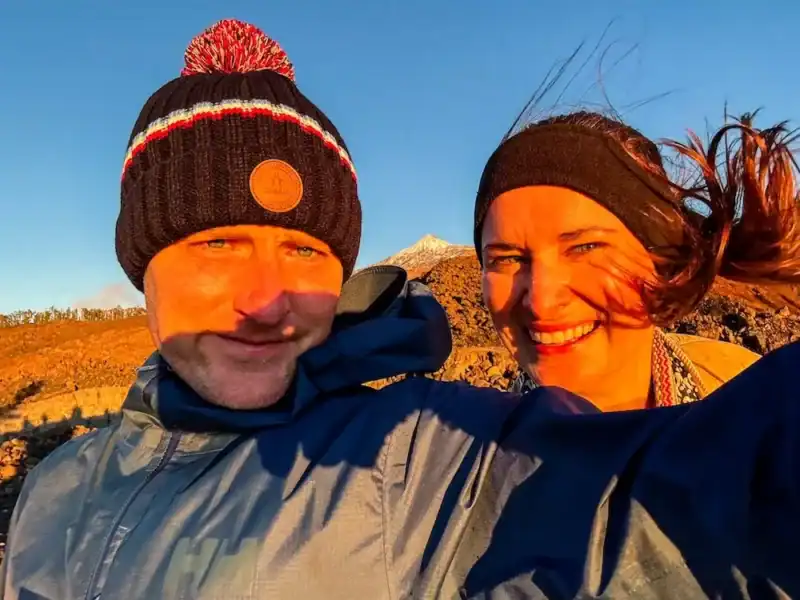
Tenerife isn’t just good for stargazing. It’s widely regarded as one of the best places in the world to see the night sky. The island’s high altitude, dry and stable atmosphere, and strict protections against light pollution create skies that are extra dark and clear.
Fun fact: Satellite and astronomy experts even rank Tenerife’s skies alongside elite locations like Chile’s Atacama Desert and Hawaii’s Mauna Kea for pure stargazing quality.
Teide National Park is the best place to experience Tenerife’s night skies. Sitting above 2,000 meters, well above the marine layer and most atmospheric distortion, you get unobstructed views of the cosmos.
That’s why the park is officially recognized as a Starlight Reserve, meaning its skies meet rigorous standards of darkness and visibility.
Temperatures drop A LOT after dark, though, especially if you book a tour to watch in Teide. I’m not ashamed to admit that I didn’t last through our entire tour without warming myself up inside the bus between breaks.
If you want to book a stargazing tour in Tenerife in winter, bring a warm jacket, hat, and gloves. Bring long underwear if you’re especially delicate. The wind up there was killer, and even made the stars dance in the telescope lenses they had set up for us.
I’d still recommend it as a cool thing to do, despite the cold fingers and toes. Here’s the tour we booked. Their “Star Safari” is the most popular option on the island.
The guides were knowledgeable, but they had some hiccups with their cameras that meant we didn’t get the promised photos at the end. They did have warm coats available for those who came unprepared for the cold, windy weather in Teide.
There are quite a few to choose from if you’d like to shop around:
Winter in Tenerife vs. Other Canary Islands
Unlike some of the flatter islands, Tenerife’s dramatic volcanic peaks create microclimates. You can be walking along the southern beaches in the afternoon, then stargazing with teeth chattering up near Teide.
Other Canary Islands share a mild winter climate. Gran Canaria tends to be slightly warmer and drier in the south, but the north can be rainy and cooler.
Lanzarote and Fuerteventura are generally the sunniest and driest islands, perfect if you want beach weather, but they lack Tenerife’s variety of landscapes. La Palma can be wetter, particularly in the winter, while La Gomera sees occasional showers.
We thought that winter in Tenerife offered a little bit of everything. While it’s definitely the most touristed island, there’s enough to do here that you won’t be disappointed, even if you’re just a sunseeker.
READ MORE: Is Santorini overrated? Check out my guide to see whether it’s worth the effort!
What to Pack for Winter in Tenerife
Your packing list for Tenerife in winter really depends on what you consider “warm.” It has to be really hot outside for me to throw on a pair of shorts, for example, so I’m not wearing them in 60 degrees.
Here’s what I’d suggest to cover your bases, with the understanding that you know how to use weather apps to your advantage:
- Light clothing for daytime: T-shirts and light pants were plenty for us. Shorts, skirts, tanks, and dresses may work if you get warm easily. You’ll see that many UK tourists here on holiday treat it like summer!
- Swimsuit: I didn’t go in the water on our trip, but you may want one for hotel pools or beach swims if you’re brave enough. The winter ocean water will be chilly, but some enjoy it. This is my favorite suit ever.
- Warmer layers: A light sweater, jacket, or fleece is best for cooler evenings, especially if you’re dining al fresco. Temperatures drop after dark.
- Rain gear: If you’re exploring the northern side of the island, bring a light waterproof jacket. It rained every time we drove up there.
- Hiking shoes: Good hiking shoes are essential for trails. Make sure they’re sturdy and have a good grip. Many of the trails, particularly in the north, may be slick.
- Sun protection: Bring sunscreen and sunglasses. We didn’t need sun hats, but if you’re out at the pool all day, it’s probably a good idea. The sun is strong even in winter, especially at higher elevations.
- Scarf, winter hat, and gloves: Bring warm gear if you’re doing any stargazing at Teide or planning any winter hikes at higher altitudes. Honestly, I would’ve loved to have some fleece-lined tights up there, too.
- Reusable water bottle: Those influencers telling you to drink more water are right. Staying hydrated is easy to forget when it’s cooler, but it’s essential on hikes. You can drink tap water in Tenerife, so bring something reusable.
- Backpack or daypack: A hiking backpack is good for carrying layers, snacks, and water while exploring. If you’re lucky, your travel buddy will carry it for you.
Is Tenerife expensive in winter?
Tenerife is more expensive in winter than in the island’s shoulder seasons. Spring (around March-May) and autumn (September-October/early November) are widely considered the classic shoulder seasons in Tenerife.
Many European visitors come specifically to escape cold weather, so winter can feel busier than a typical off‑season month.
Where to Stay in Tenerife in Winter
You’ll want to stay in the southern part of Tenerife, with the exception of Playa de las Américas. (That area is kinda trashy.)
I’ve seen lots of guides recommend staying in the north, near the Anaga mountains or cities like Santa Cruz de Tenerife, which is the island’s big city.
The north is beautiful and lush, but winter there means more rain, clouds, and cooler temperatures. That’s not ideal if your goal is to plan a winter escape.
We stayed at the Perla Gris Aparthotel. (If you see listings for the Pearly Grey Ocean Club, it’s the same place.) The property is a self‑catering apartment complex with resort‑style amenities.
We thought it was fine, but it definitely felt like a place for an older clientele. That’s true of many of the resort-style accommodations on this side of the island, though.
Tenerife is very popular with retirees from the UK, Germany, and other cold-weather European countries. I felt they nickel-and-dimed you a bit, charging separately for things like pool towels, but the price overall was less than many other properties on the island.
If you’d like to shop around, use the map below:
Is Tenerife better than mainland Europe in winter?
Tenerife offers a welcome break from cold, gray European winters. While you may not get the cultural offerings of big cities like Paris, you will get milder temperatures and sunshine perfect for spending more time outside.
It’s still a touristy destination in winter, especially in the south, but if it’s a sunny escape you’re after and you’re already in Europe, it’s hard to complain about the tourists. They’re all seeking the same!
Visiting elsewhere in Spain? Check out these guides:
European destinations that are perfect in winter:
- Tips for Getting Around Malta
- A Guide to the Best of Bologna
- Getting Around Rome: Tips and Tricks
- How to Plan Your Day in Chania, Crete
- Tips for Renting a Car in Crete

Want to see more?
Subscribe to my biweekly newsletter for hot travel tips I come across, weird stories you won’t see elsewhere and perhaps lifelong friendship.
Too much, or just enough?
