
Our journey to visiting Machu Picchu was over a decade in the making, with several travel fails along the way. It seemed like Peru wanted that anticipation to build because it knew it’d live up to the hype. Or maybe it knew it couldn’t.
So, is Machu Picchu worth it?
Quick Tips for Your Machu Picchu Visit
Your Flight: Find deals to Jorge Chávez International Airport in Lima, your likely starting point, using Skyscanner. The most efficient way to get from Lima to Cusco is a domestic flight on LATAM Airlines or Avianca.
Love deals? Subscribe to Going.
Your Accommodations: Browse Booking.com or Hotels.com for your options throughout Peru. Vrbo is my Airbnb alternative.
Your Ride: We didn’t need a car on any of our trips to Peru. If you’re taking a road trip while you’re here, book a rental car ahead of time.
Top Spots: Naturally, you’re here for Machu Picchu, but Cusco and the Sacred Valley are also worth your time.
Disclosure: Travel on the Reg uses affiliate links to keep things running around here. At no additional cost to you, I earn a lil’ commission if you make a purchase. Any income earned supports the upkeep of this site. I appreciate you!
Is Machu Picchu worth visiting?
Yes. After finally making it there, I can say that Machu Picchu was absolutely worth the wait.
That doesn’t mean it’s a perfect experience. Much like many big experiences in Peru, Visiting Machu Picchu takes planning, money, and patience. And there are some things about the experience that will challenge you.
But when I finally stood there and saw the ruins surrounded by those mountains, I understood why this place has become such a bucket-list destination. Heck, it made sense why it was on my own bucket list for so long.
Why Machu Picchu Is So Famous
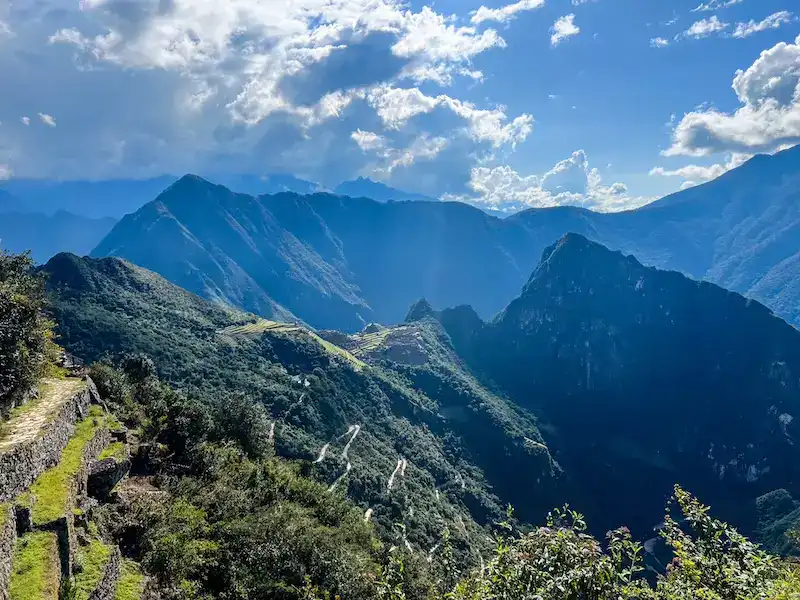
Machu Picchu is famous for its setting. Perched high in the Andes with those vibrant green mountains rising around it, the 15th-century Inca citadel looks almost too perfectly placed to be real.
Its history is another obvious draw. Machu Picchu was an important Inca site, built with stonework and engineering in a spot that would’ve been incredibly difficult to reach, even today.
Fun fact: Exactly why and how it was used is still under debate, which only adds to the intrigue.
The site became known internationally after Hiram Bingham’s 1911 expedition brought outside attention, although the ruins were never truly “lost” to people who live here.
Today, Machu Picchu is a UNESCO World Heritage Site and one of the most recognizable archaeological sites in the world.
Our Long Road to Finally Visiting Machu Picchu
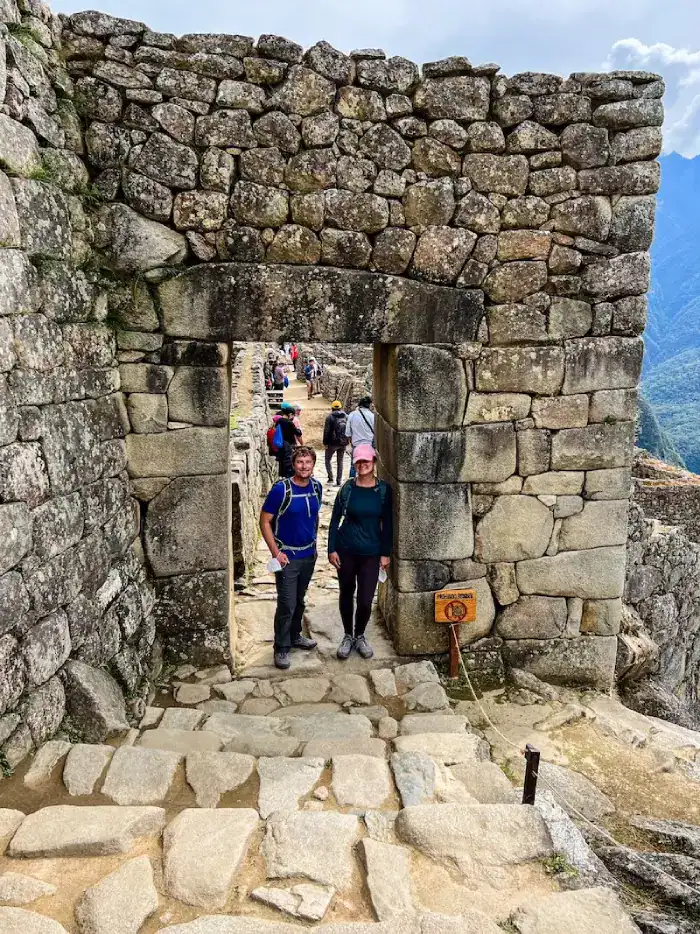
Our first trip to Peru was back in 2010. It was the first big trip Brian and I took as a couple, so it was a test of sorts to see whether we were suited for one another. (Travel was a biggie for me, even then.)
Machu Picchu was part of the plan then. We were going to take the train rather than hike any bit of it. Unfortunately, Mother Nature had other plans. Peru itself joined her, as it seemed like everything that could go wrong did.
Our second attempt was foiled again by the pandemic. Our flights were booked, and this time we had hiking planned along the Inca Trail. You probably know what happened then. Our trip was delayed again, this time for two more years.
We finally rescheduled in 2022, a full 12 years after our first attempt, so you better believe expectations were sky-high.
What is it actually like to visit Machu Picchu?
It depends on how you get there.
We approached Machu Picchu on foot as part of an abbreviated Inca Trail trek, and I think that changed our experience of the site.
There was something incredibly satisfying about hiking toward Machu Picchu rather than arriving by train and walking through the entrance.
One of the highlights was approaching through the Sun Gate, where you get your first view of Machu Picchu from above. After spending a full day hiking, seeing the ruins come into view felt like a bigger reveal, despite how sweaty and tired we were.
Note: I’ll get into the logistics of ways to reach Machu Picchu later in this guide, but I do think it’s worth knowing that how you get there can affect how you experience it.
What I Loved About Machu Picchu
After waiting so long to finally see Machu Picchu, I was a little worried the reality couldn’t possibly live up to the hype. Thankfully, most of that fell away once we made it to the site.
It actually looks like the photos.
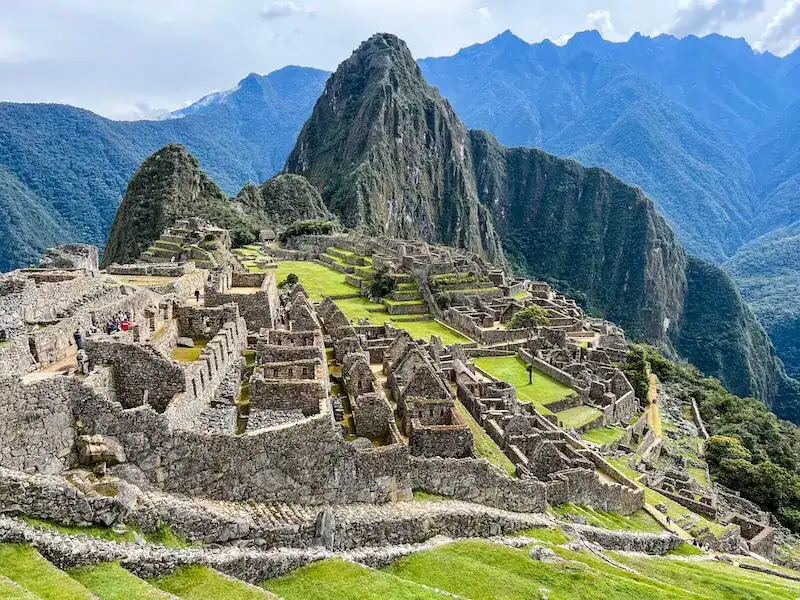
Your aunties back home won’t be disappointed. Machu Picchu really does look like the photos.
I’ve visited plenty of places that are beautiful in person but don’t quite have the same impact as the images you’ve seen a thousand times online. Santorini is one of them. Machu Picchu isn’t.
The ruins, the mountains, and the terraces really are as photogenic as they appear online.
There’s something mystical about it.
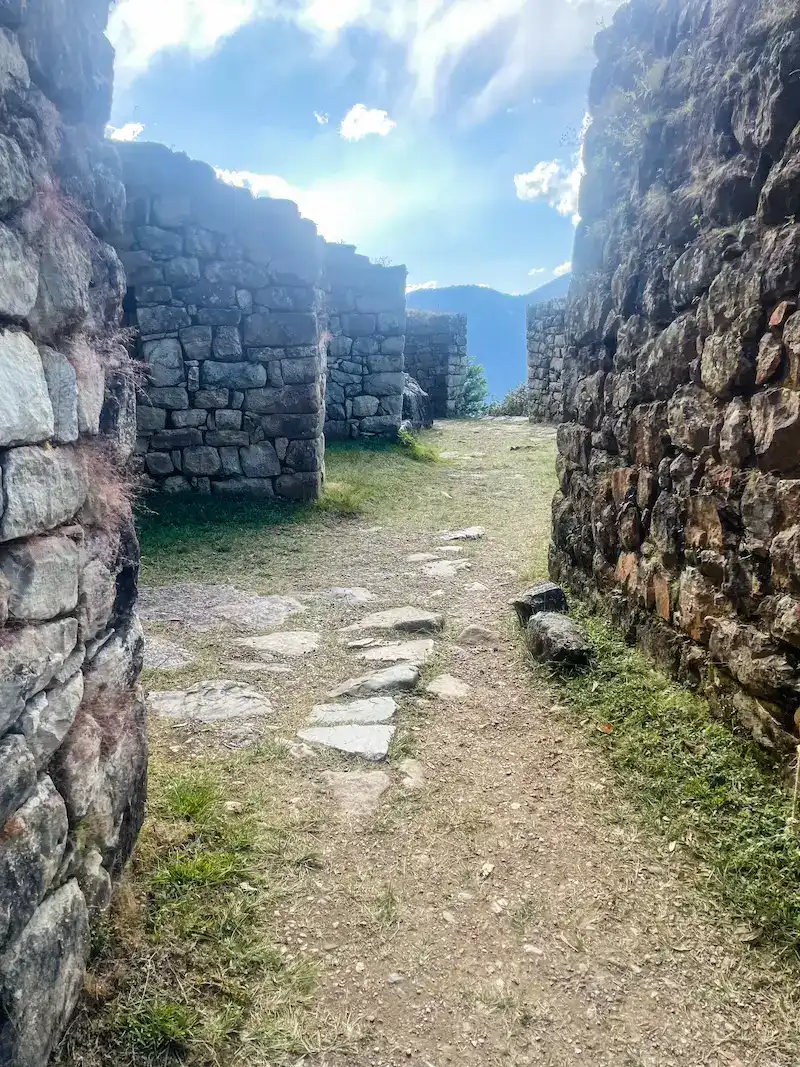
Maybe it’s the setting, with the mountains rising around the ruins. Maybe it’s the history, or the fact that you’re standing in a place that was built hundreds of years ago in this remote landscape.
Whatever it is, Machu Picchu has a vibe that goes beyond just being an attractive archaeological site. There’s a mysticism to it that I didn’t expect to feel quite so strongly.
I’m more agnostic than anything else, but I was definitely feeling some kind of higher power while we were up there.
There really are llamas.
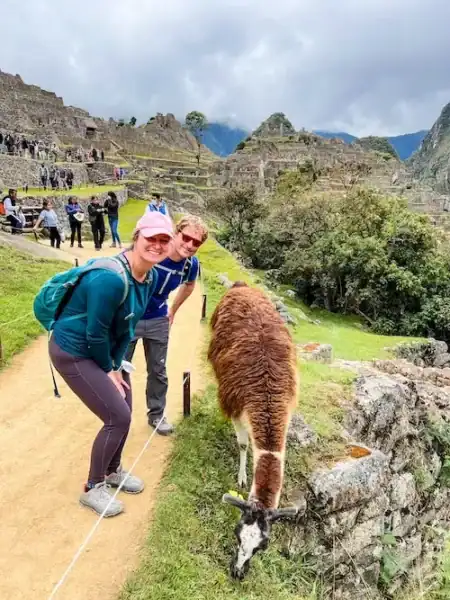
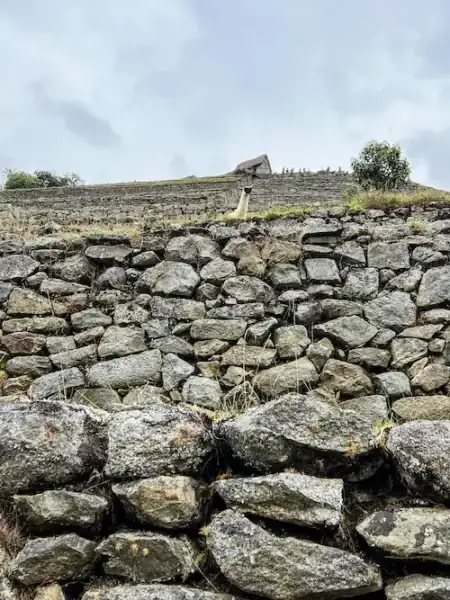
They’re wandering around the ruins all adorably like they own the place, which, frankly, they kind of do. Seeing them against the backdrop of Machu Picchu is pretty perfect, but it also adds to that surreal feeling of being somewhere very far away from home.
The approach makes the experience.
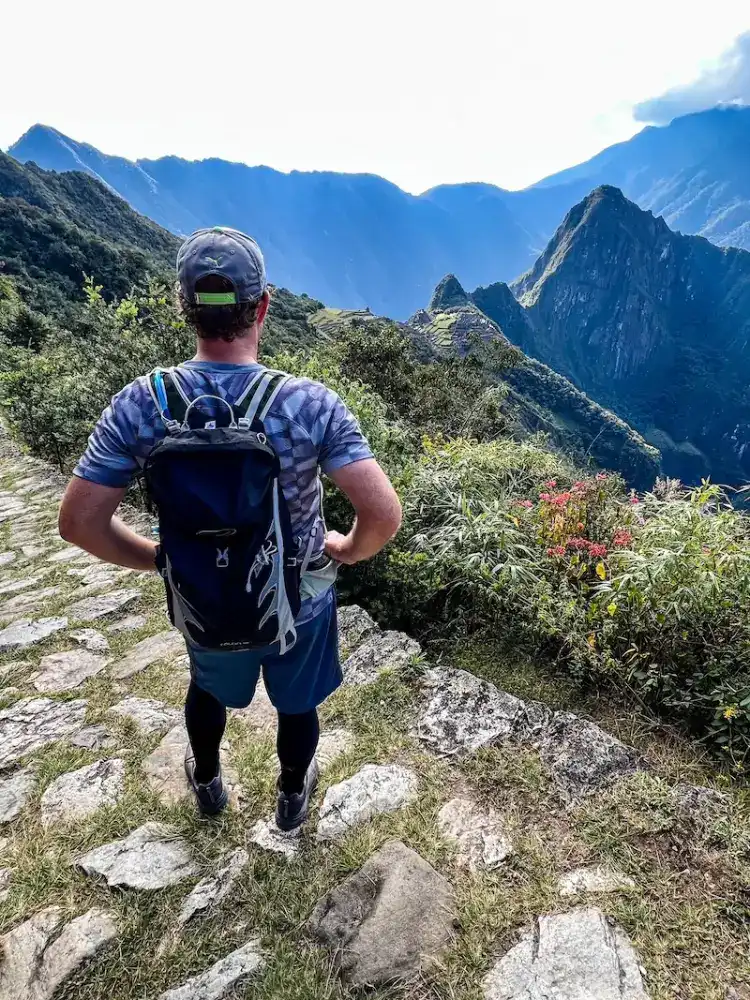
For me, one of the best parts of Machu Picchu was the anticipation of getting there.
You’ve read about our exploits getting there at this point. We were both very excited. The way we ended up getting to the site only added to that excitement, because we had to work for it.
Because we did the short Inca Trail, we approached Machu Picchu on foot. Hiking through the landscape, at times on our hands and knees (I’m being literal here), made getting there feel like an even bigger reward.
I barely even needed snacks by the end. I was that grateful. We’d spent more than a decade trying to get there, and suddenly it was right in front of us.
I’m not crying. You’re crying.
The guides made a difference.
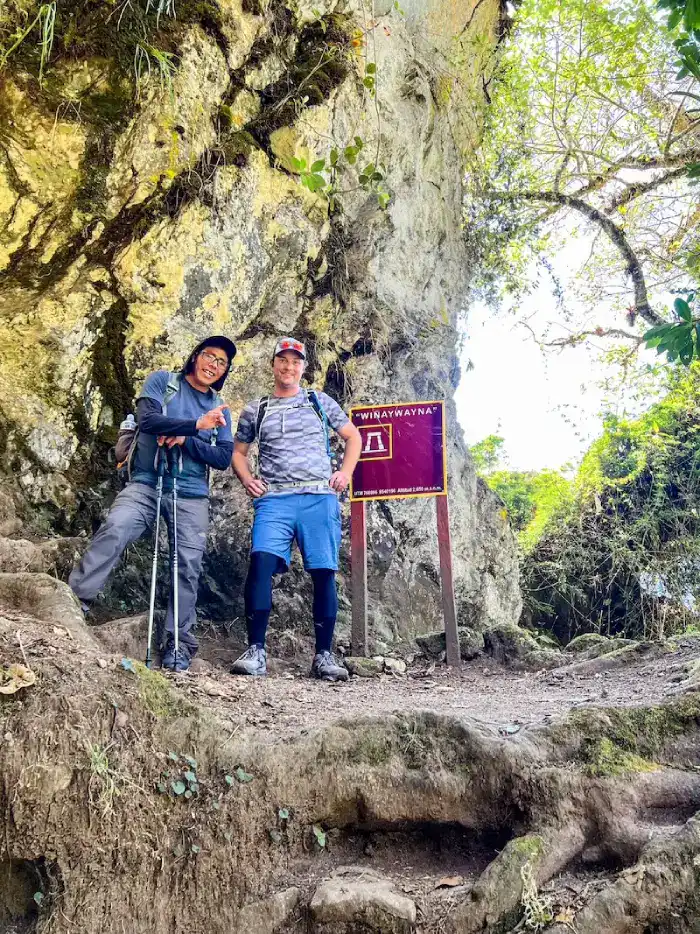
I loved the energy of all of our guides. They weren’t just reciting historical facts and moving us from one viewpoint to the next. They genuinely seemed excited to share Machu Picchu with us.
That level of enthusiasm is infectious. Hearing someone who clearly loves the history and significance of a place explain what you’re looking at makes you pay closer attention. It makes the whole thing more meaningful.
After those failed attempts to visit, I had worried that Machu Picchu couldn’t possibly live up to what I was expecting.
Instead, we got a secret sauce of setting, history, atmosphere, and energy around us that made us understand why coming here is such a special experience.
What I Didn’t Love About Machu Picchu
OK, it’s time to pause on the effusive praise. Machu Picchu isn’t perfect.
The biggest downside for me was the crowds. We were there while they were still putting strict limits on visitors post-pandemic, but even so, the park was getting thick by mid-afternoon.
I can only imagine that during the busiest times, you’re even more aware that you’re sharing this incredibly famous site with a lot of other people.
It can make it harder to have that quiet, almost mystical experience you might imagine from photos, especially if you don’t hike in as we did.
I also noticed a big difference between our two visits to the site. We hiked to Machu Picchu on our first day, leaving the park itself for the second day. We returned by train the following day. The second visit felt different.
Arriving by train was certainly easier, but it took away some of the anticipation and sense of discovery from that initial approach. After experiencing both, I’d choose the option on foot if possible.
And then there’s the weather, which is completely out of your control. We got lucky with the conditions, but I’ve seen plenty of photos of Machu Picchu completely covered in fog.
After traveling all that way, there’s always a chance the weather won’t cooperate. That’s something worth keeping in mind when you’re deciding whether the trip is worth the time and money. (I’d still argue that it is.)
How much does a trip to Machu Picchu cost?
There are a few different costs that go into a visit to Machu Picchu, and the total depends a lot on the choices you make.
For a basic independent visit, you’ll need to budget for:
- Machu Picchu entrance: Prices vary by circuit and add-on. The standard adult entrance runs about $40. If you’re hiking the Inca Trail, your trail permit and Machu Picchu entrance ticket are separate purchases. The official ticketing website also sells tours for each circuit. You can browse all of those online.
- Train: Prices vary by operator (PeruRail or Inca Rail), route, and service class. Standard tourist trains start around $75 each way from Ollantaytambo or Aguas Calientes, with premium cars costing considerably more.
- Bus from Aguas Calientes to Machu Picchu: Rides on the Consettur bus run $12 one way, or $24 round trip. Those can be purchased the day before or early morning on the day of your trip.
- Guide or tour: This is optional for an independent visit, but you’ll pay more if you want a guided experience.
- Accommodations: You’ll need somewhere to stay in Cusco and potentially Aguas Calientes, depending on your itinerary. I’d highly recommend at least two nights in Cusco if you’re hiking to start acclimating to the altitude. As with any destination, accommodation costs vary based on how comfy you like it.
Use the map below to see your options in Cusco:
A bare-bones day trip will cost around $280 per person before any lodging or eating, both super important. Guides typically add another $30-$80 per person for a shared group tour.
We did things differently. We booked the two-day short Inca Trail with Action Peru Treks, so many of those costs were bundled into one price.
Their current group price includes the major trek logistics, including entrance fee, permits, transportation, guide, and an overnight stay.
If you don’t want to hike but want a more guided experience, here are some highly-rated options:
You should keep in mind here that actual costs swing a lot by season, how far in advance you book, and how fancy you are. A luxury train up to the archaeological site is obviously more expensive than the more basic tickets. You’re smart people.
How difficult is it to visit Machu Picchu?
How difficult Machu Picchu is to visit depends a lot on how you choose to get there. Taking the train is a very different experience from hiking, and there are several different hiking options as well.
We did the short Inca Trail, and while it’s much less intense than the multi-day Inca Trail, that doesn’t make it easy.
You’re still hiking at altitude, and there are challenging sections, including the infamous “monkey steps” that had me on the aforementioned hands and knees.
Fun fact: Our short Inca Trail was “only” about eight miles (13 km), but there was plenty of climbing packed into those miles. Most of that climbing happened right away, too.
If you’re not interested in hiking, you can take the train to Aguas Calientes and then continue up to Machu Picchu from there. That makes the site accessible to a much wider range of travelers, and you don’t need to be an experienced hiker to visit.
So, no, you don’t have to trek for days through the Andes to see Machu Picchu. But if you do have the ability to hike, I’d strongly consider it. For me, approaching Machu Picchu on foot was a big part of what made the experience so friggin’ special.
How to Get to Machu Picchu
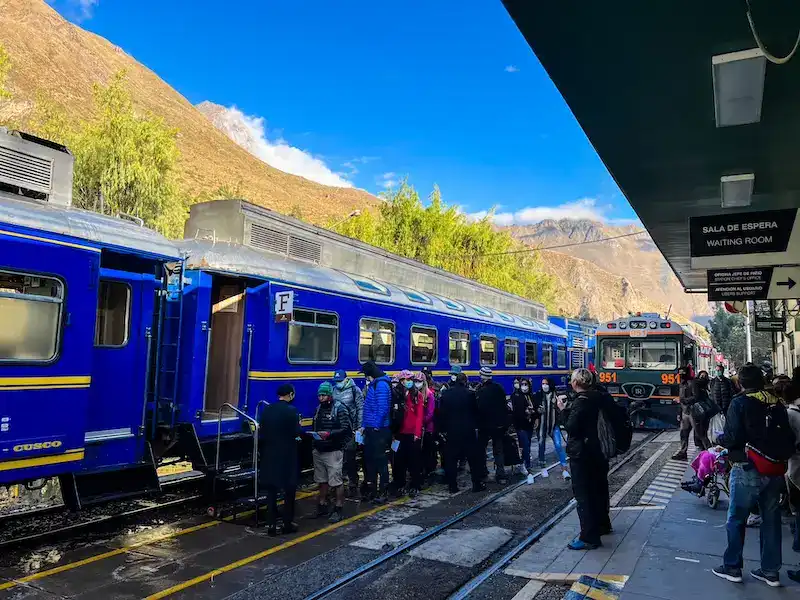
For most travelers, the journey to Machu Picchu starts with a flight into Lima, followed by a short domestic flight to Cusco. From Cusco, you can continue through the Sacred Valley before making your way toward Machu Picchu.
If you’re taking the train, Ollantaytambo is a popular departure point. The train takes you to Aguas Calientes, where you catch a bus up to the ruins.
We took a different route, hiking the short Inca Trail from Km 104 and approaching Machu Picchu on foot through the Sun Gate. I get into that experience in my guide to the short Inca Trail.
Which Machu Picchu ticket or circuit should you choose?
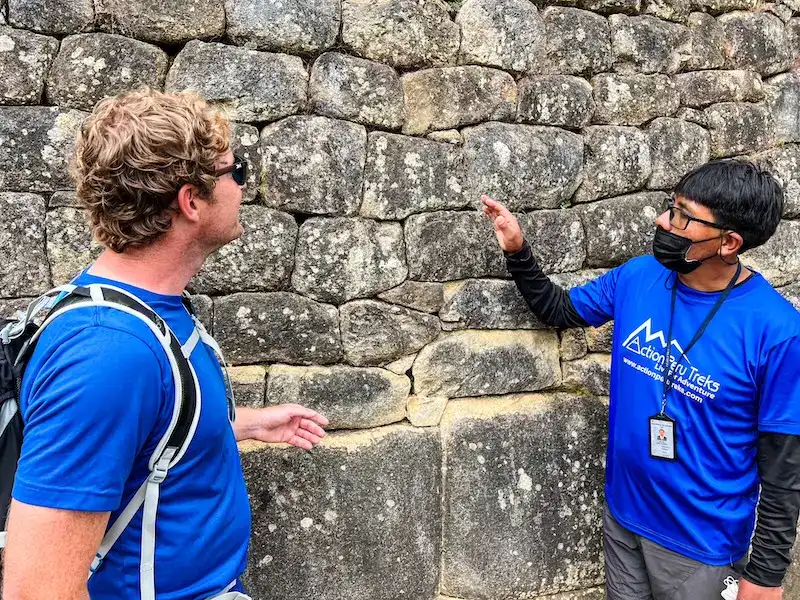
Machu Picchu tickets can be confusing because you don’t just buy a general admission ticket and then explore the entire site. Your ticket determines which circuit and route you can follow.
There are three main circuits at Machu Picchu, and the right one depends on what you want to see:
- Circuit 1: This one is best for views of Machu Picchu from above, with routes that can include hikes like Machu Picchu Mountain.
- Circuit 2: This is the best choice for most first-time visitors who want to see the classic archaeological areas.
- Circuit 3: This one focuses more on the lower sections of the archaeological site, with some routes also including additional hikes, like Huayna Picchu.
Note: If you’re arriving as part of a trekking tour as we did, they’ve likely already pre-picked your circuit and your route. If you have preferences, you’ll want to make those known at the time of booking.
We were taken on Circuit 3, known as the “Royalty Route.” Our guide told us this was the best way to see close-ups of the architecture and royal enclosures, and we’d already seen the panoramic postcard views the day before.
Is Machu Picchu too crowded?
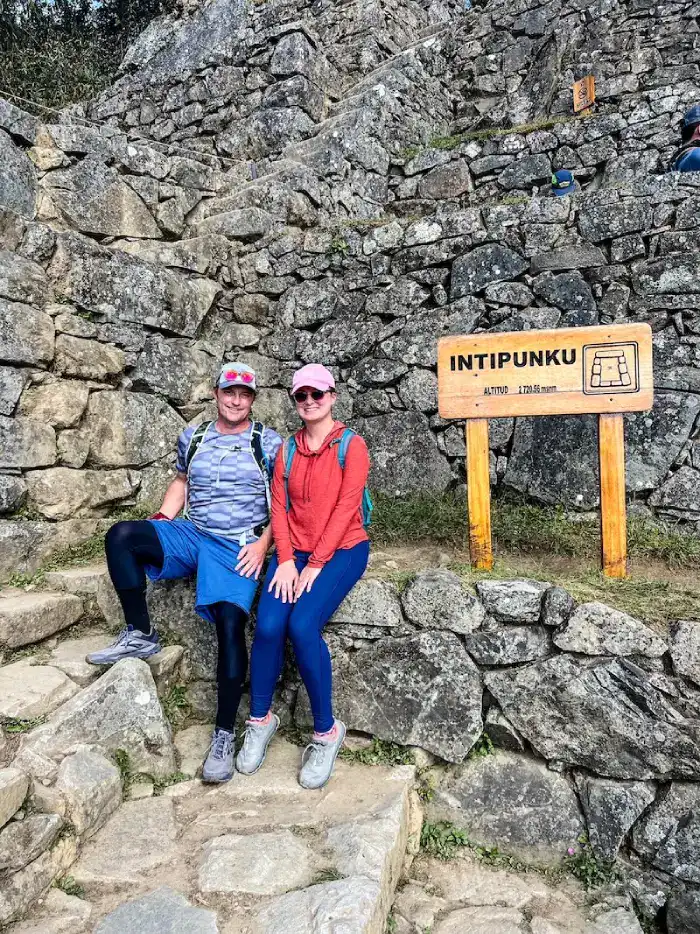
It can be. When you’re somewhere this famous, you’re never going to have the place entirely to yourself. That’d be a weird thing to expect.
How crowded it feels also depends on when you visit and which route you choose. I have a detailed guide to the best time to visit Machu Picchu that looks more closely at weather, crowds, and what to expect throughout the year.
The site does have limits on visitor numbers, although those limits can be higher during designated high-season periods.
Who Should Visit Machu Picchu
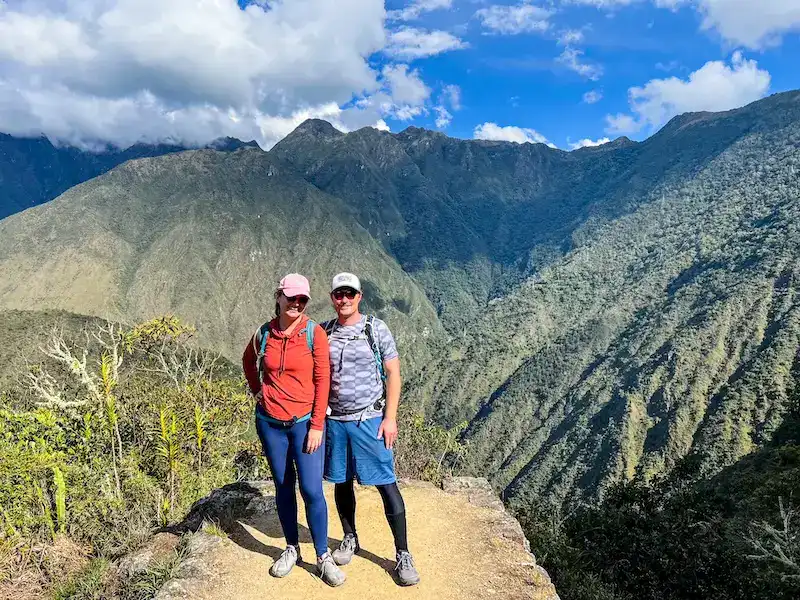
If Machu Picchu has been on your bucket list for years, go. We spent more than a decade trying to get there, and after all the failed attempts, I’m very glad we didn’t decide it was too much hassle.
I’d particularly recommend it if you:
- Love history and archaeology.
- Want to see one of the world’s great archaeological sites.
- Don’t mind a fairly structured tourist experience.
- Are willing to spend the money and effort to get there.
- Like the idea of combining Machu Picchu with time in the Sacred Valley and Cusco.
You don’t have to be a serious hiker to take this trip, either. I know I keep talking about the Inca Trail, but taking the train makes Machu Picchu accessible if a trek through the Andes isn’t your idea of fun.
Who Might Want to Skip Machu Picchu
Machu Picchu isn’t going to be everyone’s idea of a great vacation, no matter how much I’ve been gushing about it.
You might want to skip it if:
- You really dislike crowds.
- You hate heavily planned or structured attractions.
- You don’t have much interest in history or archaeology.
- You’re looking for an inexpensive destination.
- The logistics of getting there sound more stressful than exciting.
If you’re expecting to arrive at a completely deserted ancient city surrounded by misty mountains, you will be disappointed. The reality is more controlled, but that makes sense. Peru is protective of this sacred place.
That’s also why I think the answer to whether it’s worth making a trip to Machu Picchu comes down to what you want from the experience.
Is Machu Picchu worth it?
After all the failed attempts, the mudslides, COVID, and more than a decade of waiting, yes, Machu Picchu was absolutely worth it.
It was challenging, and moments on the trail tested us (or maybe just me), but it’s hard to put into words what it’s like to see Machu Picchu for the first time.
The drama around getting there was mostly forgiven in that moment. Would I go through all of that again? I mean, I’d prefer not to. But this is a place that definitely meets expectations.
Traveling in South America? Check out these guides:
- How to Visit Myterious Easter Island
- A Guide to the Best Beer Bars in Bogotá
- How to Plan an Incredible Trip to Bogotá
- Spend the Perfect Day in Arequipa
- Book the Best Street Art Tour in Colombia
More destinations for the hikers out there:
- How to Hike Inside a Colorado Waterfall
- Plan a Hiking Trip to the Garden of the Gods
- How to Hike Colombia’s Monserrate
- Plan a Bucket List Trek Through the Narrows
- Hikes to Hit at Glacier National Park

Want to see more?
Subscribe to my biweekly newsletter for hot travel tips I come across, weird stories you won’t see elsewhere and perhaps lifelong friendship.
Too much, or just enough?
