
It took 12 years after one very big travel fail for us to return to Peru, but the wait was worth it. Our second trip went much better, and I learned that planning a trip to Peru takes more than booking a flight to Lima and hoping for the best.
You’ll need to consider the altitude, time of year, how many days you have, and how you’ll get around. And if Machu Picchu is on your list, you’ll want to think about tickets and transportation before you book the rest of your trip.
We’ve been to Peru twice, and this Peru travel guide covers the practical details I wish I’d had in one place before our trips.
Planning a Peru trip? Here’s what you need to know:
Best trip length: 10-14 days
Best time to visit: May-September for the Andes
Best first trip: Lima, Cusco, Sacred Valley, and Machu Picchu
Book first: Machu Picchu tickets and Inca Trail permits, if applicable
Biggest consideration: Altitude, particularly around Cusco
Getting around: Domestic flights, trains, and long-distance buses
Worth adding: Arequipa, Colca Canyon, and Lake Titicaca
Quick Tips for Your Peru Visit
Your Flight: Find deals to Lima’s Jorge Chávez International Airport using Skyscanner. Love deals? Subscribe to Going.
Your Accommodations: Browse Booking.com or Hotels.com for your options throughout Peru. Vrbo is my Airbnb alternative.
Your Ride: We didn’t need a car on our trip to Peru, but you may want to plan a road trip while you’re there for destinations off the beaten path. Book a rental car ahead of time.
Top Spots: Tick Machu Picchu off your bucket list, explore colorful Arequipa, and see the condors of Colca Canyon.
Disclosure: Travel on the Reg uses affiliate links to keep things running around here. At no additional cost to you, I earn a lil’ commission if you make a purchase. Any income earned supports the upkeep of this site. I appreciate you!
How to Plan a Trip to Peru
To plan a trip to Peru, start with what you want to see and do, then build your itinerary around those priorities.
If you’re visiting Machu Picchu on the Inca Trail, for example, you’ll need to secure your permits well in advance. They can sell out months ahead during the busiest travel periods.
For the rest of your trip, you can be more flexible. Watch for good flight prices, consider the season you’re traveling in, and leave yourself enough time to adjust to the altitude if you’re heading into the Andes.
How many days do you need in Peru?

I recommend spending 10-14 days in Peru if you want to experience a good mix of cities, historical sites, and natural wonders without rushing from place to place.
Our first trip was just one week, which was enough to combine Lima and Machu Picchu (or so we thought, before the travel fails). On our second trip, we spent 11 days in Peru, which gave us extra time to adjust to the altitude in Cusco.
When is the best time to visit Peru?

There isn’t one single best time to visit Peru because the country’s coast, Andes, and Amazon have different climates.
For most first-time travelers visiting Cusco, the Sacred Valley, and Machu Picchu, May through September offers the best combo of dry weather and good conditions.
The tradeoff is that this is also the busiest and most expensive time to visit, particularly in July and August. If you want fewer crowds and lower prices, consider the shoulder months of May, September, or October.
Here’s a rundown:
- Best Time to Visit Machu Picchu: May through September is the best bet for dry weather at Machu Picchu, with July and August being the busiest months. My Machu Picchu guide on exactly this is a great resource.
- Best Time for Hiking: For hiking in the Andes, aim for May through September, when rainfall is generally lowest. Keep in mind that the Inca Trail closes every February for maintenance.
- Best Time for Lima and the Coast: The coast has a different climate. December through March brings sunnier weather to Lima and Peru’s Pacific coast, while the city is often overcast during the cooler months.
- Best Time for Lower Prices: You’ll generally find better prices during the shoulder and rainy seasons. May, September, and October can be particularly appealing if you want to balance reasonable weather with lower costs.
Peru by Season
Generally, Peru has a wet and dry season, with the dry season falling from May through October. High season peaks within that time in July and August.
Check out more information by season below:
- Spring (September-November): September is a popular month for travel in the mountains, so it’s on the cusp of high season. October is a good shoulder season month for mild temperatures and lower prices across Peru.
- Summer (December-February): If your trip is centered around the coast, you’ll get the hot weather some enjoy. This is the wet season in the mountains and jungles, and the Inca Trail closes for maintenance in February.
- Fall (March-May): This is the beginning of the end of the rainy season. May is the best month to visit Peru for ideal temperatures and more budget-friendly pricing.
- Winter (June-August): This is the dry season in Peru, and the ideal time for adventuring in the mountains, including the Inca Trail. July and August are high-season months across Peru, so book everything well in advance.
What to Know About Altitude in Peru
Altitude is one of the biggest things to consider when planning a trip to Peru, particularly if your itinerary includes Cusco, the Sacred Valley, or Lake Titicaca.
Cusco sits at more than 11,000 feet above sea level; Rainbow Mountain is above 17,000 feet. Lake Titicaca and Colca Canyon are also at significant elevations.
Fun fact: Machu Picchu itself is lower than Cusco, at around 8,000 feet, but getting there doesn’t mean you can skip acclimatization if you’re arriving from sea level.
Give yourself time to rest, drink plenty of fluids, and take it easy while your body adjusts. Our second trip to Peru taught me this the hard way: we needed extra time in Cusco because the altitude affected how much we could comfortably do.
A good rule for planning your itinerary is to start at a lower altitude when possible, then give yourself at least a day or two to acclimatize. Altitude sickness is no joke.
How to Get to Peru
You’re most likely to find deals from the United States and throughout Europe to Lima, the gateway to most of what you’ll do in the country.
The high season for flights to Peru is during the country’s dry season, and the months of July and August in particular. If you’re headed to Peru during those times, make sure to book your flights well in advance.
Citizens of the United States, Australia, Canada, and countries within the European Union don’t need to apply for a visa before they enter Peru. The length of your approved stay is determined upon your arrival, but this is typically 90 days.
If you’re arriving from outside of those countries, see this complete list to determine whether you’d need to apply for a visa. Peru’s official tourism site is a great place to start for entry requirements, as well.
How to Get Around Peru

Once in Peru, if you’re planning to explore regions outside of Lima, you’ll have the option of domestic flights, long-distance buses, and trains, or a self-drive option.
Domestic flights will be the most efficient way to travel long distances in the country, and you can often find good deals if you book well ahead of time. LATAM Airlines and Avianca have the most routes.
Do your research and read consumer reviews before booking a super cheap domestic flight within Peru. We’ve had an awful experience with Star Perú, for example.
Buses in Peru are the preferred mode of transportation for locals. They’re also the cheapest mode of transportation. You’ll need to weigh whether you’d like to move about more efficiently or cost-effectively when you’re putting together an itinerary.
For long-distance travel, the most popular, well-reviewed options are:
- Cruz del Sur,
- Oltursa,
- and Movil Bus.
If you have the time for a scenic journey, consider long-distance train travel on PeruRail or Inca Rail. Both offer services to Machu Picchu, too.
If you’re a confident driver, a self-drive tour is another option to see the country at your own pace. Be warned that Lima is a hectic city with wild traffic patterns.
Where should you go in Peru?
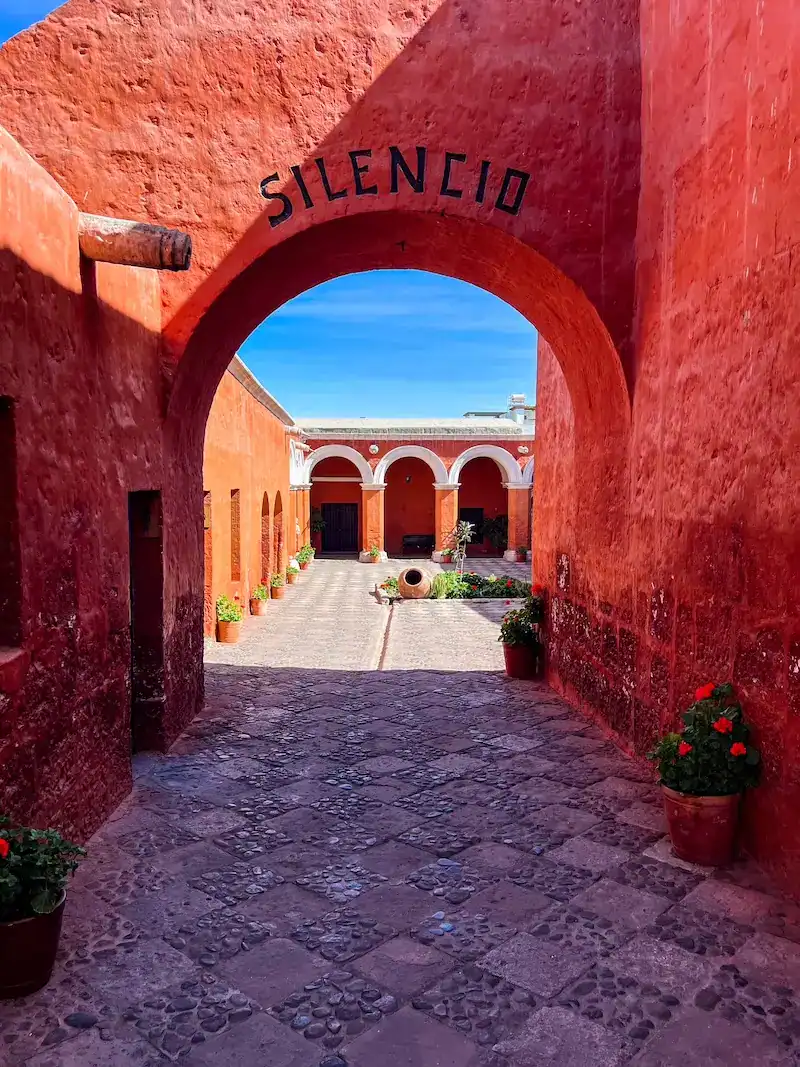
Unless you have several weeks to explore, you won’t be able to see everything in one trip to Peru. For a first visit, I’d prioritize Cusco, the Sacred Valley, and Machu Picchu.
From there, you can add Arequipa and Colca Canyon, Lake Titicaca, or another region depending on how much time you have.
Here’s how I’d think about the major destinations and experiences when planning a trip to Peru:
- Cusco is best for history, culture, restaurants, and as a base for exploring the Sacred Valley and Machu Picchu. Use my one-day Cusco itinerary to help you plan. I include highlights like San Pedro Market and Inca ruins in town.
- Sacred Valley is best for archaeological sites. A guided Sacred Valley tour is an easy way to see several of these sites in one day, particularly if you don’t want to deal with transportation between them.
- Machu Picchu is the must-see for most first-time visitors. Allow at least a full day, and plan your tickets and transportation well ahead of time. If you want to hike the Inca Trail, consider the “short” version.
- Arequipa is worth adding if you have extra time, particularly if you want colonial architecture, great food, and access to Colca Canyon. It’s also a good base for the Salinas Salt Lagoon. Use my Arequipa guide to help you plan.
- Lima is worth a day or two if you enjoy food, museums, and city life, but you don’t need to build a long stay into a first Peru trip. Don’t miss the Erotic Gallery, a pottery exhibit of phalluses and sexually-charged art.
- Lake Titicaca is a good choice for a longer itinerary or travelers continuing toward Bolivia, and it’s fun to say. This one is still on our list after a failed attempt to make it happen on our first trip to Peru.
- The Peruvian Amazon is one of the best additions if you have two or more extra days and want a completely different side of Peru. You’ll likely start in Iquitos, the largest city in the world inaccessible by road and a hub for Amazon river cruises.
- Nazca Desert is the quirky option. There are numerous theories about how the Nazca lines came to be. The most popular theories include an alien landing strip and a giant solar calendar.
Note: No matter where you go, don’t drink the water. Drink bottled water while in Peru. Avoid ice, as well. Trust me. Intestinal issues in a foreign land aren’t pretty.
Planning Your Machu Picchu Visit
Machu Picchu is likely the centerpiece of your Peru itinerary, but getting there takes more planning than most stops on your trip. You’ll need to choose a circuit, book an entry time, and decide whether you want to arrive by train or hike the Inca Trail.
Machu Picchu Tickets and Circuits
Machu Picchu currently has three circuits and 10 routes, each offering a different way to experience the archaeological site. Check the available routes carefully when booking rather than assuming every ticket provides the same experience.
Inca Trail or Train?
You don’t need to hike to Machu Picchu. Most visitors arrive by train to Aguas Calientes, then take a bus up to the archaeological site.
If you want the journey itself to be part of the experience, you can hike the Inca Trail instead. We did the short Inca Trail, which gave us a full day of hiking before arriving at Machu Picchu the following morning.
READ MORE: If you’re similarly averse to camping, check out my detailed guide to the short Inca Trail.
How Many Days
I’d allow at least two days for Machu Picchu itself and the surrounding logistics. You can travel from Cusco through the Sacred Valley to Ollantaytambo, take the train to Aguas Calientes, stay overnight, and visit Machu Picchu the following morning.
Day trips from Cusco are possible, but it’s a really long day. If that’s the kind of time you’re working with, booking a guided tour to Machu Picchu is best.
Where to Stay
Aguas Calientes is the most convenient base if you want an early visit to Machu Picchu. Ollantaytambo also makes sense if you’re already traveling through the Sacred Valley and taking the train from there.
Peru Travel Itineraries

If you’re working with a week, I’d concentrate on Cusco, the Sacred Valley, and Machu Picchu rather than trying to cram in multiple regions. With 10 days or two weeks, you can add Arequipa, Colca Canyon, Lake Titicaca, or the Amazon.
7-Day Peru Itinerary
Route: Lima → Cusco → Sacred Valley → Machu Picchu → Lima
For a first trip to Peru, this is the route I’d recommend if you have just a week. Don’t try to squeeze in Arequipa or Lake Titicaca. You’ll spend too much of your limited time getting from place to place.
I’d divide the week roughly like this:
- Day 1: Arrive in Lima; explore if time allows.
- Day 2: Fly to Cusco; acclimate.
- Day 3: Explore Cusco.
- Day 4: Explore the Sacred Valley; overnight in Ollantaytambo.
- Day 5: Travel to Aguas Calientes.
- Day 6: Visit Machu Picchu; return to Cusco.
- Day 7: Fly to Lima and head home.
10-day Peru Itinerary
Route: Lima → Arequipa → Colca Canyon → Cusco → Sacred Valley → Machu Picchu → Lima
- Day 1: Arrive in Lima; explore if time allows.
- Day 2: Fly to Arequipa; explore the city.
- Day 3: Plan a Colca Canyon day trip.
- Day 4: Return to Arequipa; fly to Cusco.
- Day 5: Explore Cusco.
- Day 6: Explore the Sacred Valley; overnight in Ollantaytambo.
- Day 7: Travel to Aguas Calientes.
- Day 8: Visit Machu Picchu; return to Cusco.
- Day 9: Spend more time in Cusco or a nearby day trip.
- Day 10: Fly to Lima and head home.
14-Day Peru Itinerary
Route: Lima → Arequipa → Colca Canyon → Cusco → Sacred Valley → Machu Picchu → Lake Titicaca → Lima
- Day 1: Arrive in Lima.
- Day 2: Fly to Arequipa; explore as time allows.
- Day 3: Plan a Colca Canyon day trip.
- Day 4: Return to Arequipa.
- Day 5: Fly to Cusco; acclimate.
- Day 6: Explore Cusco.
- Day 7: Explore Cusco.
- Day 8: Travel to the Sacred Valley; overnight in Ollantaytambo.
- Day 9: Travel to Aguas Calientes.
- Day 10: Visit Machu Picchu; return to Cusco.
- Day 11: Spend more time in Cusco or the Sacred Valley.
- Day 12: Travel to Lake Titicaca.
- Day 13: Explore Lake Titicaca.
- Day 14: Return toward Lima and head home.
What to Pack for Peru
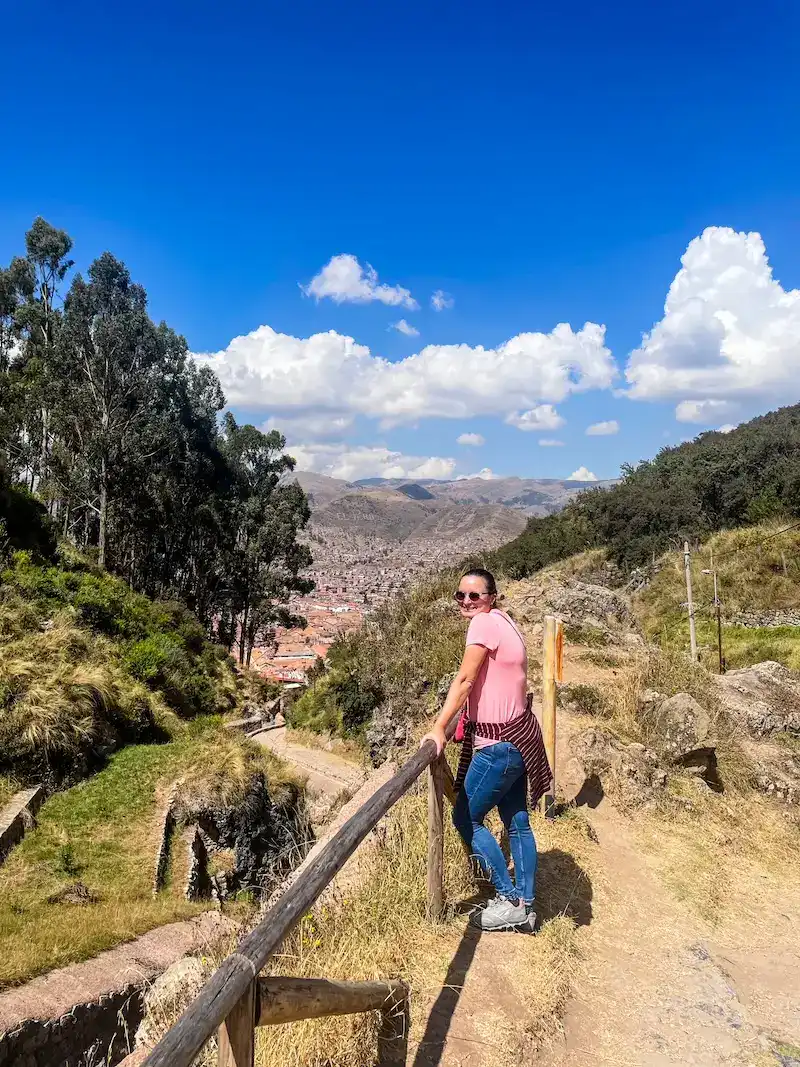
As Peru has both a wet and dry season, what you pack depends on when you’re going. Here are some ideas to cover the most popular Peru trip itineraries:
- Hiking backpack: A big reason many travelers go to Peru is to hike at least part of the Inca Trail. Come prepared with a hiking backpack, preferably one you’ll easily be able to house a water bladder in.
- Hiking shoes: If you’re going to Peru during the wet season and hoping to do some hiking, you’ll need a pair of waterproof hiking shoes to do that. I’m a big fan of my Altra’s Lone Peak version these days.
- Layered jacket: A rain jacket may be fine, but if you’re headed to Peru in the rainy season, you may want to look into something a bit heavier. A layered jacket or shell allows for some versatility.
- Thermal tops: No matter when you’re headed to Peru, if you’re doing any hiking, you’ll likely be doing so in the morning hours. Mornings in the mountains are chilly. Pack at least one thermal top to layer underneath your jacket.
- Wool socks: You’ll be doing some exploration at elevation. That means chilly temperatures, even in the summer, in the mornings when you’ll be out and about. Pack several pairs of wool socks to keep those toes warm.
Fun fact: You can experience several seasons in a single day in the Peruvian Andes. It might be chilly when you set out in the morning, sunny by midday, and raining by afternoon, so layers are your friend.
Special Events and Festivals in Peru
If you’re planning a trip to Peru during a specific time of year, consider whether there are any festivals or holidays occurring. You may want to attend special events or avoid them, as it could mean bigger crowds and higher costs.
Here are a few notable dates across Peru:
- Festival de la Candelaria: This festival takes place in Puno each year in celebration of the Virgin of Candelaria, the patron saint of the city.
- Carnival: Carnival is celebrated the week before Lent, all over Peru. Expect lots of indulging and partying.
- Inti Raymi: The Festival of the Sun is a festival in celebration of the winter solstice in Cusco. The event includes traditional dances and parades.
- Arequipa Week: Arequipa Week celebrates the day Peru’s second city was founded. Events include parades, beauty pageants, and fireworks displays.
- Trujillo Spring Festival: This is a celebration of spring in Trujillo, naturally. Festival events include parades, art exhibitions, and dance competitions.
Where to Stay in Peru
Where you stay in Peru depends on your itinerary. For most first-time visitors, you’ll likely want bases in Cusco, the Sacred Valley, Arequipa, and possibly Lima or Aguas Calientes.
I generally use Booking.com or Hotels.com for the best rates. Vrbo is my Airbnb alternative.
If you want to take my advice on visiting Arequipa, we enjoyed our stay at El Portal de San Lázaro. Posada San Blas was our pick for Cusco, and I’d recommend that one, as well.
If you’re flying through Lima without planning to visit the city, an airport hotel can make your arrival or departure much easier. We stayed at the Wyndham Costa del Sol Lima Airport, which is directly across from the airport.
Note: Book hotel shuttles when possible. Taxis across Peru are notorious for ripping off tourists. Most hotels offer good rates on transport from the airport to their front doors, so book a driver ahead of time if you don’t want to haggle.
Peru will meet all of your expectations.
While we have some hectic memories from our first trip there, our repeat trip to Peru was absolutely incredible. It went well enough that I’m sure we’ll be back to tick off more of what we’ve yet to see.
Much like visiting Central America and a good portion of South America, it’s also much less expensive than destinations throughout North America and Europe.
You’ll notice a price difference in tourist hubs like Cusco vs. more off-the-beaten-path locations, but it’s easy to make a Peruvian vacation a budget-friendly one.
More guides for bucket list travel:
- Paris Will Always Be Worth Visiting
- A Detailed Itinerary for Perth, Australia
- Tick These Off Your San Diego Bucket List
- My Accommodations Guide for Yosemite
- A Detailed Guide for Planning Australia Trips
More guides for adventure-seekers:
- Spend Three Incredible Days on Easter Island
- Incredible Things to Do in Iceland
- You Can Hike Inside a Colorado Waterfall
- How to Plan a Trip to the Narrows at Zion
- A Guide to Planning Trips to South Africa

Want to see more?
Subscribe to my biweekly newsletter for hot travel tips I come across, weird stories you won’t see elsewhere and perhaps lifelong friendship.
Too much, or just enough?
