
I’ve visited quite a few towns and sites in Normandy over the years, but our big trip through the region was with my in-laws.
We spent a week exploring everything from Monet’s gardens to the D-Day landing beaches, with plenty of good food and small-town wandering in between. This is the Normandy trip itinerary I’ll be sharing with you here!
You can see a lot of Normandy using public transportation and guided tours, particularly if you’re visiting from Paris.
This itinerary, though, is based on how we experienced the region: a Normandy road trip itinerary for one week, with a rental car and overnight stays in several towns.
That gives you the flexibility to visit places that are harder to reach by train, linger when you find something awesome, and avoid returning to Paris every night.
Quick Tips for Your Normandy Visit
Your Flight: You’ll probably start at Paris Charles de Gaulle for a trip to Normandy. Use Skyscanner to explore your flight options to CDG. Love those deals? Subscribe to Going.
Your Accommodations: Browse Booking.com or Hotels.com for your options in Normandy. Vrbo is my Airbnb alternative.
Your Ride: Book a rental car for your road trip through Normandy ahead of time, especially if you need an automatic. They sell out first, as there aren’t as many of them!
Top Spots: See the gardens in Giverny, walk the Cliffs of Étretat, and tick Mont Saint-Michel off your bucket list.
Disclosure: Travel on the Reg uses affiliate links to keep things running around here. At no additional cost to you, I earn a lil’ commission if you make a purchase. Any income earned supports the upkeep of this site. I appreciate you!
How many days are enough for Normandy?
You can visit a few of Normandy’s highlights in three days, especially if you focus on one area or join a guided tour from Paris. A long weekend could include Rouen, the D-Day sites, and a quick visit to Mont Saint-Michel.
A full seven-day itinerary is better if you want to see the region without rushing between attractions. You can spend full days exploring the major towns, visit the coast, dig into the history, and enjoy a few leisurely meals that aren’t eaten in the car.
Even with seven days, you’ll have to make choices. The Normandy region is big, and there are plenty of places we didn’t get to on this trip. The itinerary below covers a good mix of the best-known attractions, with some bonus ideas for next time, too.
When to Visit Normandy
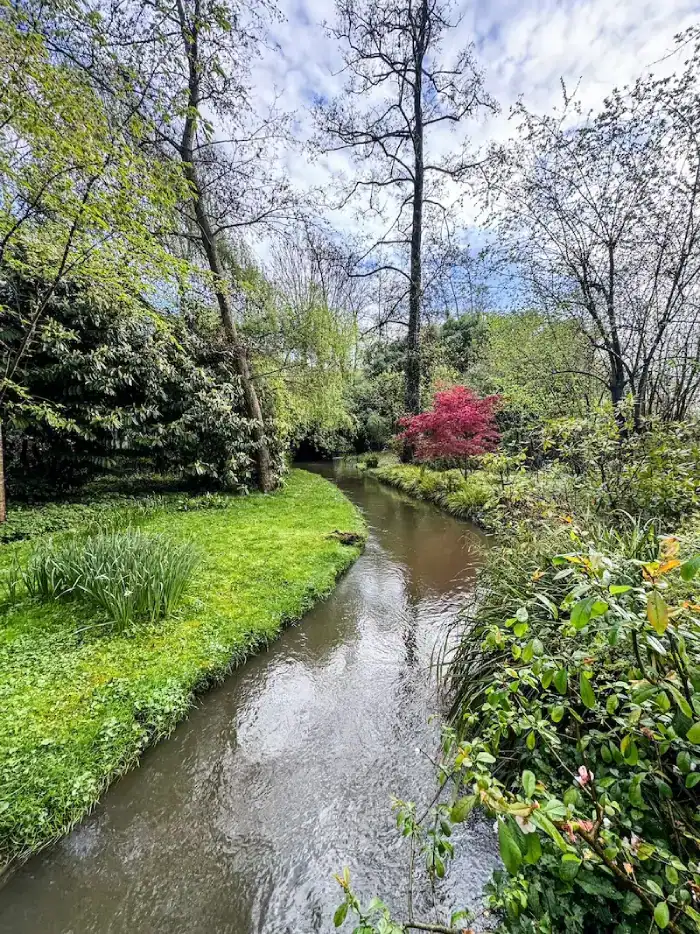
I’ve visited Giverny a few times now, across different seasons, and spring is easily my favorite time to see Monet’s gardens. The flowers are at full bloom, the water garden is doing its thing, and the whole place feels like it belongs in one of his paintings.
Late spring is also a great time to explore the rest of Normandy. While you will likely get some rain, the weather is generally pleasant for exploring, and the biggest crowds haven’t arrived yet.
We visited Normandy in April. Some places, particularly Honfleur, were still fairly sleepy, but that was part of the appeal. If you’re hoping for a livelier waterfront or more restaurants open late, early summer may be a better fit.
Here are a few things to keep in mind when choosing your dates:
- Spring: This is my favorite for gardens, comfortable sightseeing, and fewer visitors. Giverny is particularly lovely when the flowers are blooming.
- Summer: This is the busiest season, especially at Mont Saint-Michel and on Normandy beaches. Book accommodations and attractions ahead of your trip.
- Fall: This is a good time for Normandy’s countryside, cider, and apple harvest season. Days get shorter, and some attractions may have reduced hours.
- Winter: This is a quieter option for museums and historic towns. Some attractions close for part of the season, and coastal weather can be miserable.
If you’re visiting Giverny in April, I have more details on what to expect in my guide to Giverny in the spring.
READ MORE: Love an artist-inspired destination? You’ll want to visit Pont-Aven, a favorite of Paul Gauguin.
How to Spend One Week in Normandy
Here’s a rundown of the perfect seven-day Normandy trip itinerary:
- Day 1: Giverny
- Day 2: Rouen
- Day 3: Cliffs of Étretat and Honfleur
- Day 4: Caen
- Day 5: D-Day Landing Beaches
- Day 6: Bayeux
- Day 7: Mont Saint-Michel
Day 1: Giverny
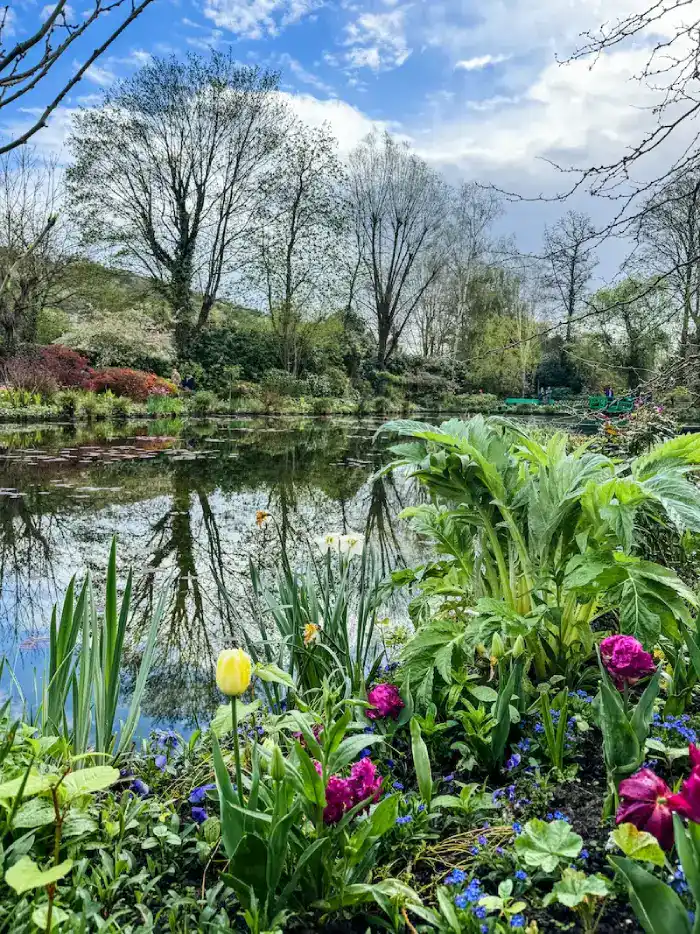
Giverny is about 75 km (47 miles) from central Paris, making it an easy first stop by car. We were coming from Saint-Germain-en-Laye, so the drive was even shorter.
I’d get an early start and spend the morning exploring Monet’s house and gardens. You’ll want to book tickets in advance, especially in spring, when the gardens are at their best, and visitors start swarming the site, duck lips at the ready.
Here are a few things we’ve enjoyed from multiple visits to Giverny:
- Claude Monet’s house and gardens: This is the main event. Explore the flower garden, then cross over to the water garden with its famous Japanese bridge and lily ponds. Leave at least half an hour or so for the house itself.
- Museum of Impressionism Giverny: Learn about the art form itself and see art from Impressionist painters that may be new to you. You can get combo tickets for the museum and the house and gardens on certain days.
- Église Sainte-Radegonde de Giverny: The church is free to enter and makes a nice little sanctuary if the weather turns rainy. We were treated to a free classical piano show during one visit. Monet’s grave is also nearby.
- Au Coin du Pain’tre: This cute café saved us from the rain on our first visit. We had generous sandwiches and lunch specials, and the pies were tasty. Expect this one to get busy at peak lunchtime.
- Vernon: If you’re done with Giverny early, nearby Vernon is very cute, especially for a scenic picnic lunch near the old mill. You could skip some of the extra stops in Giverny and head here before driving to Rouen.
After your visit, drive to Rouen, where you’ll stay for two nights. Le Petit Boquié is a cute spot for dinner, although if you want to splurge, read on for my favorite eatery in the city under Day 2.
We booked an apartment in Rouen with parking and two bathrooms, which was…necessary for our group. Use the map below to browse more accommodations in Rouen:
Day 2: Rouen
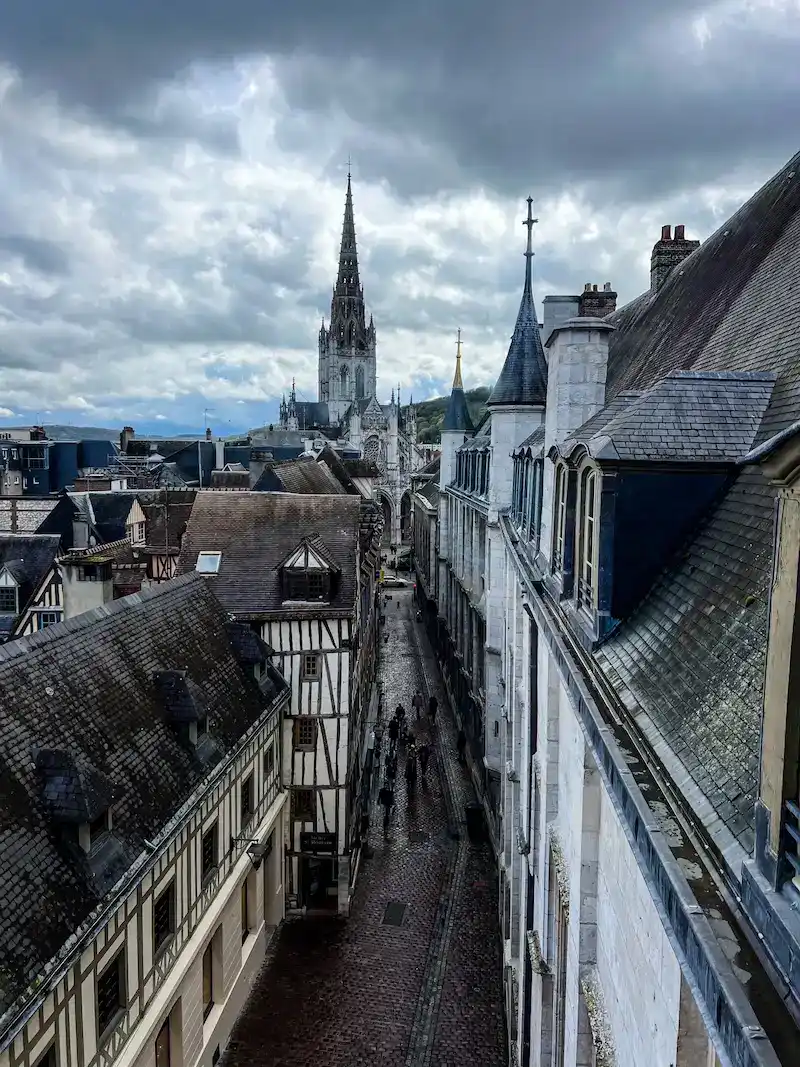
Today is a full day in Rouen, one of Normandy’s most interesting historic cities. It’s known for its medieval architecture, Gothic churches, and connection to Joan of Arc.
I have a guide to whether Rouen is worth visiting, but here are a few highlights to work into your day:
- Rouen Cathedral: This Gothic cathedral is one of the city’s most recognizable landmarks. Monet painted its façade over and over and over again, so it’s worth seeing why he did so.
- Gros-Horloge: The ornate astronomical clock is a classic Rouen sight. Snap a pic, then walk along the pedestrian street around it for historic buildings, sweet treats, and shops.
- Place du Vieux-Marché: Visit the square where they executed Joan of Arc. You’ll see historical markers to that effect. You should also visit Église Sainte-Jeanne-d’Arc, the modern church dedicated to her here.
- Historial Jeanne d’Arc: For more Joan of Arc intrigue, this is a museum dedicated to her life, trial, and legacy. It’s a good option if you’re a visual learner who wants to learn more about her connection to Rouen.
- La Couronne: Eat at the place Julia Child said helped inspire her love of French cooking. It’s also the oldest inn in France. This won’t be a cheap meal, but you will eat WELL. The cheese plate was a highlight.
Stay overnight in Rouen again before an early morning for your third day!
Day 3: Cliffs of Étretat and Honfleur
Get up early and drive to the Cliffs of Étretat. These dramatic white cliffs are just as good as anything you’d see in Ireland, in my opinion, naturally.
I have a detailed guide to visiting the Cliffs of Étretat from Paris, so I’ll leave the nitty-gritty logistics there. For this itinerary, I’d prioritize the viewpoints, a walk along the coastal paths, and a quick bakery sandwich before continuing to Honfleur.
Note: If you’re interested in Normandy’s apple brandy, you could also stop at Calvados Experience on the way. The tour takes you through rooms explaining how calvados is made and why it’s such an important part of the region’s identity. It ends with a tasting of three brandies or apple juice if that’s more your speed.
Honfleur itself is a lovely old harbor town with colorful waterfront buildings. We visited in spring, and it was pretty sleepy, but I can imagine it being much livelier in warmer months.
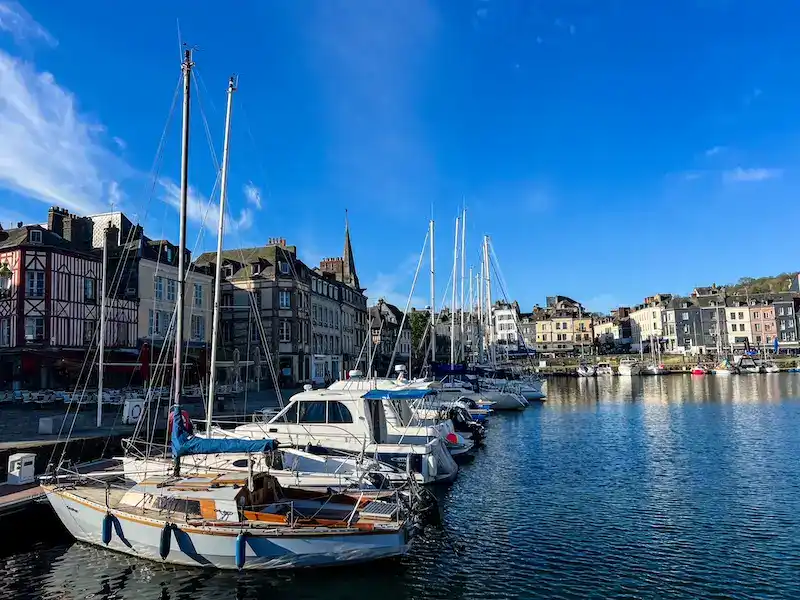
Here are a few things we enjoyed in Honfleur:
- Le Vieux Bassin: Honfleur’s historic harbor, built in the 17th century, is a rectangular tidal basin where fishing boats and pleasure boats dock. It’s the classic Honfleur view, and it gave us mini-Copenhagen vibes!
- Place Sainte-Catherine: This charming square is home to Église Sainte-Catherine, a wooden church built by shipbuilders, and its separate bell tower just across the square. The church’s interior resembles the hull of an overturned ship.
- Les Greniers à Sel: These two stone warehouses date to 1670 and once stored salt used to preserve fish, especially cod caught off Newfoundland. They’re worth a quick look as you wander through the historic center.
- Jardin des Personnalités: Walk along the harbor or head into these gardens, which feature local musicians, writers, and artists connected to Honfleur and Normandy. Monet is among them, although we didn’t make it all the way through.
Spend the night in Honfleur. For seafood and classic French dishes, try L’Escale for dinner. Use the map below for accommodations in Honfleur:
Day 4: Caen
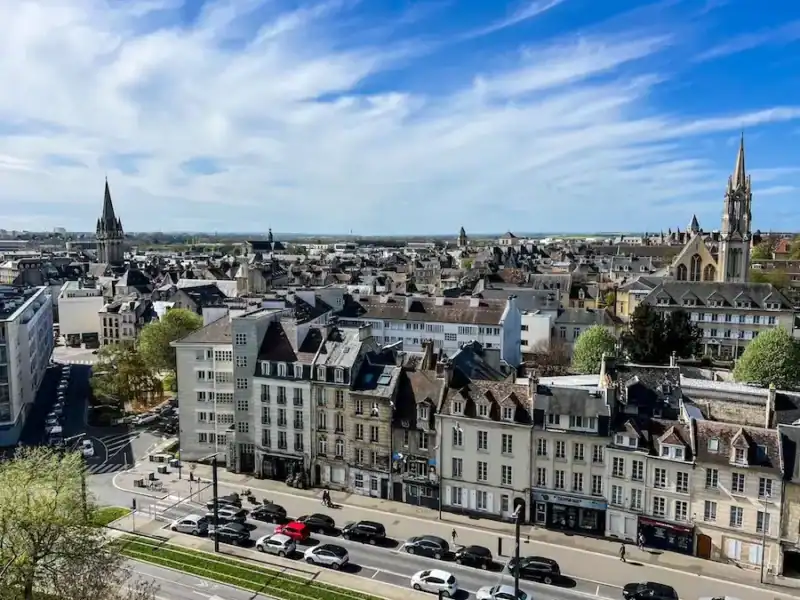
Caen isn’t a super popular option on Normandy road trips, but it’s an intriguing idea if you’re interested in medieval history and World War II.
We drove about an hour from Honfleur to Caen, explored the city for a good chunk of the day, and then continued about 30 minutes to Bayeux for the next few nights. You could easily spend a full day here if you want to explore the museums in more depth.
Here are a few things to see and do in Caen:
- Château de Caen: This medieval castle was built by William the Conqueror. You can walk along the ramparts for great views over the city or visit the two museums within the complex, one focused on history and the other on fine arts.
- Mémorial de Caen: Plan to spend at least two hours at this extensive museum covering World War II and its lead-up, the Normandy landings, and the Cold War. We learned a lot, but the sheer volume of information was intense.
- Saint-Pierre Church: If you’re exploring the city center, this impressive church is worth a closer look. We liked the view from the Château de Caen ramparts the best.
- Bœuf & Cow: This was our pick for lunch, with deliciously juicy burgers and beef tartare. Wagyu is also on the menu if you’re ready to splurge. Reservations are a good idea during the busy season.
- Abbaye-aux-Hommes: This abbey is home to the church where William the Conqueror is buried. The scale and architecture of the church are impressive. Caen also has an Abbaye-aux-Dames, but we didn’t have time for both.
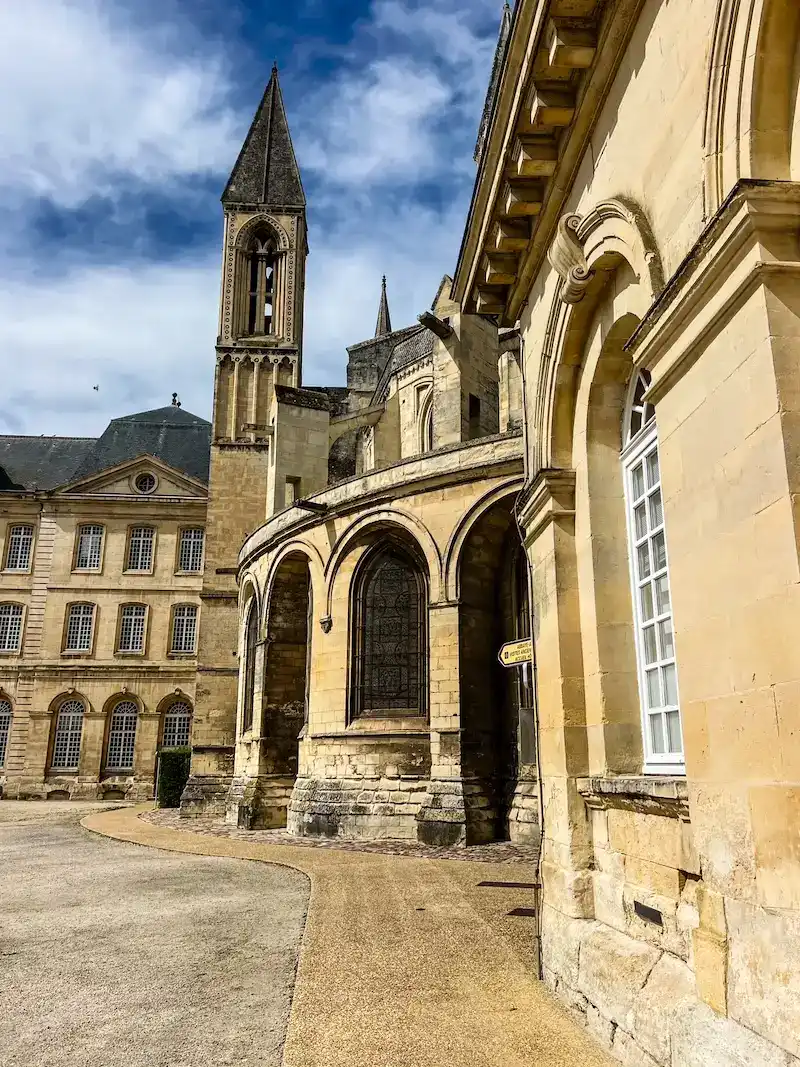
After exploring Caen, drive about 30 minutes to Bayeux. That was our base for the next three nights. Use the map below to browse accommodations in Bayeux:
Day 5: D-Day Landing Beaches
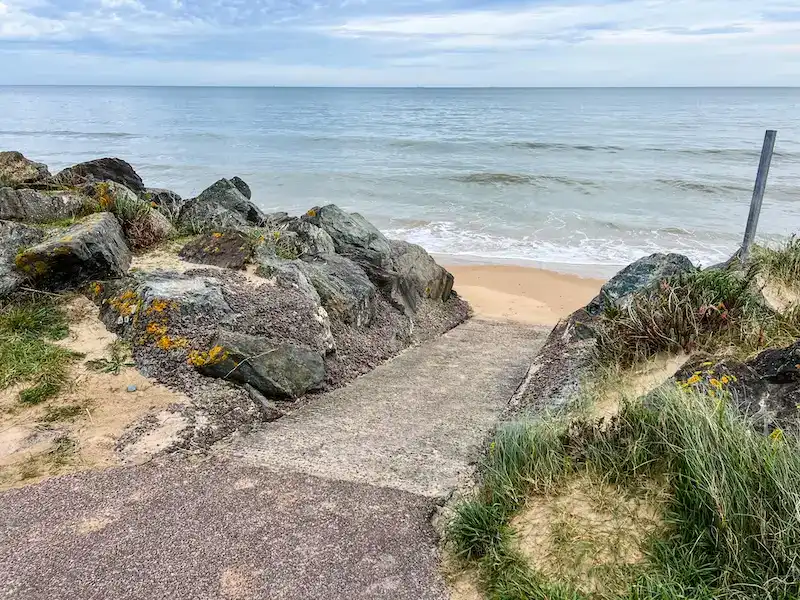
Start early today. You’re hitting Normandy’s D-Day beaches, one of the most popular things to do in the region, especially for visiting Americans.
The D-Day landings on June 6, 1944, marked the start of the Allied campaign to liberate Nazi-occupied Western Europe during World War II.
Allied forces landed across five designated sectors along the Normandy coast, each with its own beaches, defensive positions, and memorials.
Fun fact: To support the invasion, the Allies even built artificial harbors off the coast to bring in troops, vehicles, and supplies after landing on the beaches.
Allow around three hours of driving throughout the day, not including time at the sites.
Here are some of the D-Day sites we visited:
- Maison de la Libération: Located in Sainte-Marie-du-Mont, this historic house is remembered as the first house liberated by American forces during the D-Day campaign. It’s a meaningful place to begin the day.
- WN 65 and the Native American Memorial: WN 65, short for Widerstandsnest 65, was part of the German defensive network along the coast. The nearby Native American Memorial is another worthwhile stop.
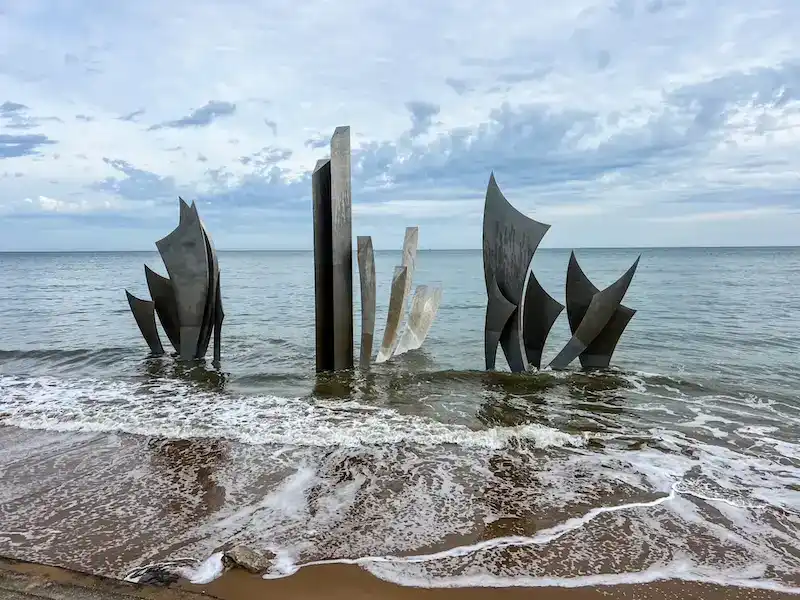
- Omaha Beach: Seeing Omaha Beach in person is on many bucket lists. Look for Les Braves rising from the sand, along with the other memorials along the beach. You can also visit the 29th Infantry Division Monument in Vierville-sur-Mer.
- Pointe du Hoc: American Army Rangers scaled these cliffs on D-Day to capture German artillery positions. Today, you can explore the landscape of bomb craters, bunkers, and remnants of German defenses. Give yourself at least 45 minutes.
- Normandy American Cemetery and Overlord Museum: Set aside about an hour for the American cemetery, including the grounds and the Wall of the Missing. Then head to the nearby Overlord Museum for a different perspective.
Fun fact: Normandy American Cemetery was a filming location for Saving Private Ryan. The cemetery’s rows of white crosses and Stars of David appear in the film’s opening and closing scenes.
We stopped for lunch at one of the few brasseries open on a Monday. The place clearly catered to American tourists, right down to the pumps of ketchup and mayonnaise on the tables. Packing a lunch today isn’t a bad call.
With more time, consider adding Longues-sur-Mer Battery or Utah Beach. If you’re interested in the airborne operations, head west to Sainte-Mère-Église.
You’ll find a mannequin of a paratrooper hanging from the church steeple in remembrance of John Steele. He was an American paratrooper who was captured there on D-Day and survived. The Airborne Museum is just steps away.
After a full day of exploring, drive back to Bayeux for the night. Le Moulin de la Galette is a casual pick for dinner after a heavy day.
Day 6: Bayeux
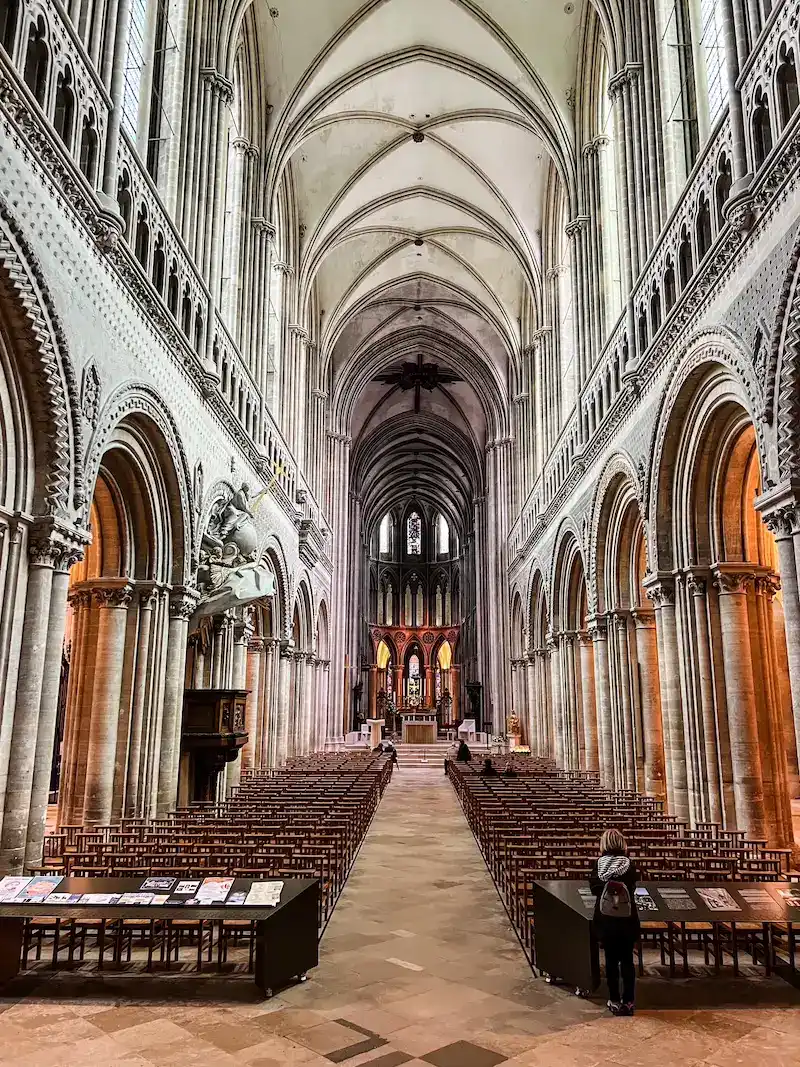
After a full day exploring the D-Day landing beaches, slow things down with a day in Bayeux. This charming town is known for its medieval architecture and the famous Bayeux Tapestry.
We spent the day exploring the historic center, browsing a few shops, and enjoying a delicious dinner before another night in Bayeux.
Here are a few things to see and do in Bayeux:
- Bayeux Cathedral: This impressive cathedral is free to enter. The outside is striking, but once inside, you’ll be treated to soaring ceilings and some impressive stained glass. You can also visit the crypt if it’s open during your visit.
- Bayeux War Cemetery: Pay your respects to the servicemen who died during the Battle of Normandy. More than 4,000 Commonwealth servicemen are buried here, with a memorial across the road honoring unknown graves.
- Jardin Botanique de Bayeux: This 19th-century botanical garden is a peaceful place to stretch your legs between historic sights. Look for the famous weeping beech tree, a standout feature.
- Bayeux Tapestry: The famous 11th-century embroidery tells the story of William the Conqueror’s conquest of England in 1066. The upstairs exhibits also explore theories about who created it and the history behind the Norman Conquest.
Note: The Bayeux Tapestry has a tendency to move around. It’s currently on display at the British Museum in London through July 11, 2027. The Bayeux museum is scheduled to reopen in October 2027, so check the latest details before a visit.
One of my mother-in-law’s favorite things to do was wander through the historic center and pop into the local shops.
La Fromagerie de Bayeux is a great stop for local cheeses. À La Reine Mathilde has oversized pain au chocolat and giant macarons in a particularly cute setting. At Au Comptoir des Saveurs, I picked up local jam and more hard cider.
For dinner, we had a delicious meal at Le P’tit Resto. The dessert was especially memorable, served with little test tubes of raspberry sauce. Make a reservation if you can, as the restaurant was fully booked when we arrived.


Spend another night in Bayeux before your last day.
Day 7: Mont Saint-Michel
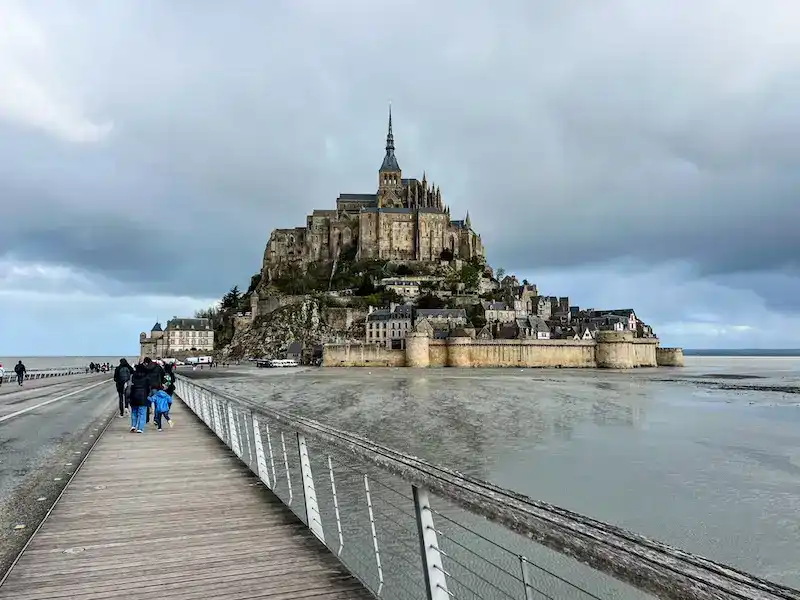
Finish your Normandy road trip with a visit to one of France’s most recognizable landmarks.
Mont Saint-Michel is about an hour and a half by car from Bayeux, so it’s a manageable day trip before heading back toward Paris. You can also spend another night in Bayeux, depending on your plans. That’s what we did.
I have a full guide on whether Mont Saint-Michel is worth visiting, but here are a few highlights to help you plan your day:
- Walk to the island: You can park in the visitor lots and walk across the footbridge to the island, which takes roughly 45 minutes from the parking area. If you’d rather save your legs, a free shuttle runs closer to the village.
- Explore the ramparts: Once you enter the village, consider taking the steps up to the ramparts and walking toward the abbey with the sea beside you. We found this route calmer than going straight up through the crowded main street.
- Visit the abbey: The abbey is the main attraction, but the approach through the medieval village is arguably the best part, especially if you’ve already visited plenty of European churches. Book tickets ahead to make planning easier.
- Wander the village: The main street, Grand Rue, is lined with shops and historic buildings. It can get very crowded, so taking the ramparts on the way up and returning through the village gives you both experiences.
- Have lunch: We originally hoped to eat at La Sirène Lochet for crêpes, but it was full when we arrived. We ended up at Le Tripot, where the galettes and crêpes were reasonably priced, and my goat cheese salad was decent.
If the weather and tides cooperate, you can also look into a guided walk across the surrounding bay. Here are a few options for excursions like that:
After your visit, you can drive back to Paris for the night or return to Bayeux if that better fits your onward plans.
With More Time in Normandy
A week is a good amount of time to see the Normandy highlights, but this is a region rich in things to do and eat. Here are a few places you could visit with more than a week in Normandy:
- Camembert: Visit the village that gave the famous cheese its name, learn more about Normandy’s cheese-making traditions, ancasd sample some local Camembert.
- Deauville: This seaside resort is known for its sandy beach, colorful beach umbrellas, Belle Époque architecture, and famous boardwalk.
- Fécamp: This coastal town has a historic harbor, pebble beach, and the Palais Bénédictine, where you can learn about the local herbal liqueur.
- Château de Carrouges: Head inland to explore this red-brick and granite château surrounded by parkland.
- Granville: This seaside town has a historic upper town perched above the harbor, coastal views, and the Christian Dior Museum.
Is Normandy worth visiting?
Absolutely! While it’s missing a wine scene, I won’t hold that against it. Spend a week exploring medieval towns, dramatic coastlines, historic castles, and some of the most significant World War II sites in Europe.
A road trip makes it easy to connect the region’s highlights, particularly the D-Day history sites and smaller towns, but you can visit some by train or on guided day tours. If Normandy has been on your list, I highly recommend it!
Traveling elsewhere in France? Check these out:
- Plan a Day in Chantilly From Paris
- Spend the Day in Epernay From Paris
- Should You Visit the Dordogne?
- An Itinerary for One Day in Toulouse
- Should You Plan a Trip to Brittany?
More France guides for future trips:
- Spend a Day in Delicious Lyon
- Rocamadour: Is It Worth Visiting?
- Tips for France in the Summertime
- Is Versailles Still Worth the Trip?
- Unique Things About Life in France

Want to see more?
Subscribe to my biweekly newsletter for hot travel tips I come across, weird stories you won’t see elsewhere and perhaps lifelong friendship.
Too much, or just enough?
