
Our trip to Cusco was centered around Machu Picchu. It was a natural base for visiting the UNESCO World Heritage Site, and we’d been trying to get there for over a decade by then.
The plan for Cusco, then, wasn’t some aggressive sightseeing mission. At 11,152 feet (3,400 meters) above sea level, we knew there’d be some acclimation necessary, even though we were coming off of a few days in Arequipa.
This guide assumes you’ve already had a day or so to adjust to the altitude and want to make the most of one day in Cusco. We’ve done everything on this Cusco itinerary: a mix of historic sites, Inca history, and, of course, tasty food!
Quick Tips for Your Cusco Visit
Your Flight: Find flights to Alejandro Velasco Astete International Airport (CUZ), your likely starting point, using Skyscanner. We flew to Cusco from Arequipa, which was an easy addition to our Peru itinerary.
Love deals? Subscribe to Going.
Your Accommodations: Our pick was Posada San Blas in the San Blas neighborhood. Browse Booking.com or Hotels.com for more options in Cusco. Vrbo is my Airbnb alternative.
Your Ride: You don’t need a car in Cusco. If you’re taking a road trip while you’re visiting Peru, book a rental car ahead of time.
Top Spots: People-watch at Plaza de Armas, explore Inca ruins at Sacsayhuamán, and stroll through the charming San Blas neighborhood.
Disclosure: Travel on the Reg uses affiliate links to keep things running around here. At no additional cost to you, I earn a lil’ commission if you make a purchase. Any income earned supports the upkeep of this site. I appreciate you!
Is one day in Cusco enough?
Yes, one day in Cusco is enough to get a good introduction to the city, particularly if your main reason for visiting Peru is Machu Picchu or the Sacred Valley.
You won’t see everything in Cusco in one day, but you can visit some of the city’s most important historic sites and have time for a good meal or a drink.
If you’re arriving in Cusco from a much lower altitude, however, I’d consider your first day differently. The city sits at 11,152 feet above sea level, and the vast majority of you will feel it. Don’t feel like you have to hit every attraction as soon as you arrive.
Give yourself time to acclimate, take it easy, and see how you’re feeling before tackling some of the city’s sights. This Cusco itinerary kinda assumes you’re ready to rock, but you can always slow things down if you’re not feeling your best.
READ MORE: My guide to Peru is the best place to start if you’re at the beginning phase of planning your trip!
How to Spend One Day in Cusco
You can spend one day in Cusco like this:
- Start at Plaza de Armas.
- Check out views of the city from the Church of the Society of Jesus.
- Explore Convento de Santo Domingo del Cusco.
- Eat lunch at Morena Peruvian Kitchen or Kusykay.
- Check out Inca art at the Museo de Arte Precolombino.
- Browse the goods at Mercado Central de San Pedro.
- See Inca ruins at Sacsayhuamán.
- Wander through San Blas, stopping here for dinner.
One Day in Cusco Itinerary
With just one day in Cusco, I’d focus on the historic center and a few of the city’s most important sights. Most of this itinerary can be done on foot, although you may want a ride toward the end if you start feeling a little fatigued.
If you want some coffee to kick things off, nationally recognized Kusamá Specialty Coffee is a convenient, tasty stop. Organika Bakery & Coffee has a full breakfast menu if you need something more substantial.
Stop 1: Plaza de Armas
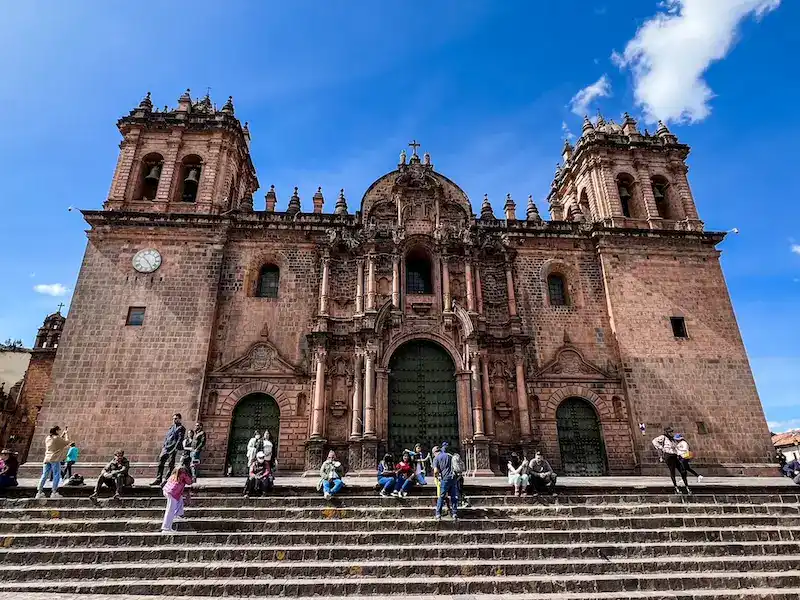
Now that you’re all fueled up, head into Cusco’s historic center to get your church on and see some cool Inca stonework. Start at the Plaza de Armas, the city’s main square, a great spot to get your bearings.
The plaza is surrounded by some of Cusco’s most impressive colonial architecture, including the Cathedral of Cusco and the Church of the Society of Jesus. We visited both.
Fun fact: This was once the center of the Inca capital, known as Huacaypata, and the plaza you see today was built over that earlier city.
Take some time to walk around the square before heading into the surrounding streets. If you’re dealing with altitude symptoms, this is also a good place to chill out and let your breakfast digest.
If you have it in you, though, it’s time to explore. Inside the cathedral, you’ll find all kinds of beautiful artwork and woodwork.
One detail that stood out to me was a painting of Jesus and the Last Supper that depicts cuy (guinea pig) on the table instead of the more traditional lamb.
Unfortunately, photography isn’t allowed inside, so you’ll have to see it for yourself. What an endorsement!
The Church of the Society of Jesus around the corner has a narrow staircase you can take up to scenic views over the Plaza de Armas. Payment was cash only when we visited, so make sure you have some Peruvian soles on hand.
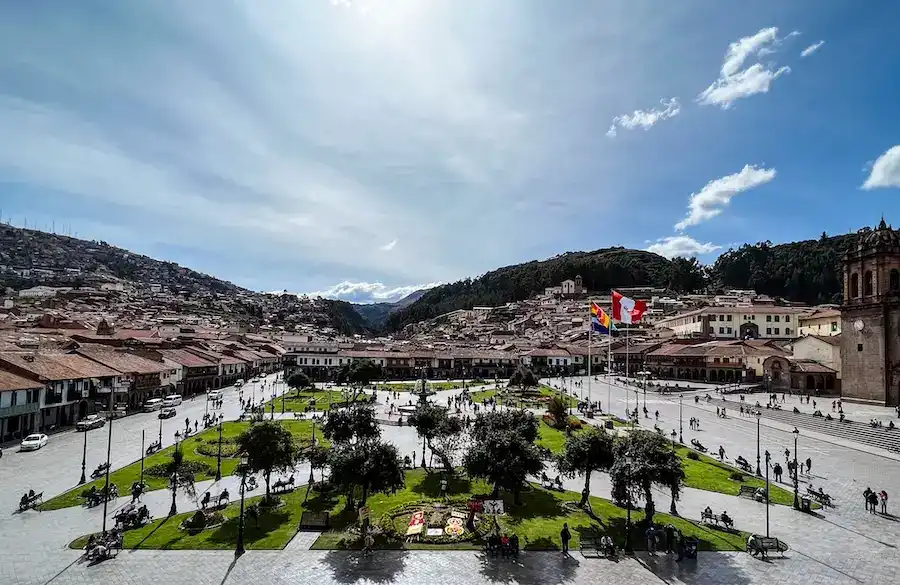
After you’ve checked out the views, walk along Hatun Rumiyoc toward the Twelve-Angled Stone, one of Cusco’s best examples of the stonework used by the Incas.
Stop 2: Convento de Santo Domingo del Cusco
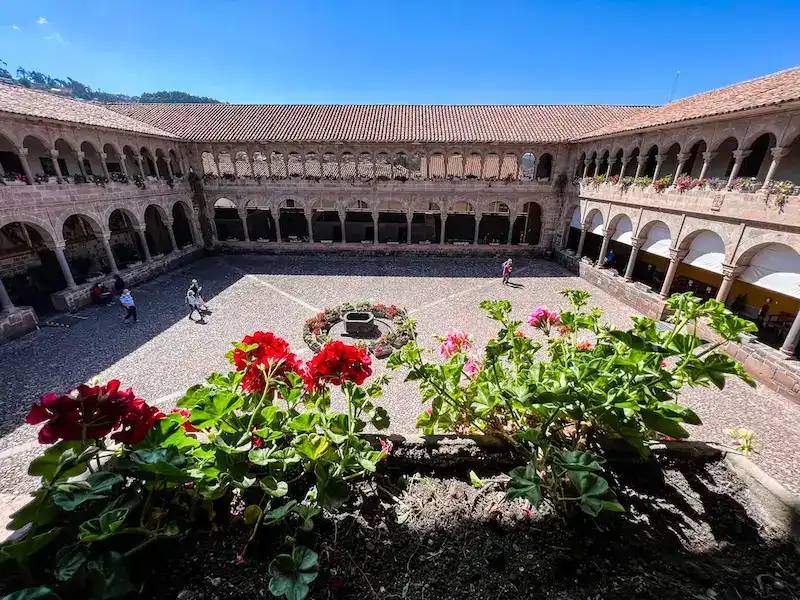
Continue to the Convento de Santo Domingo del Cusco, built over Qorikancha, the Inca Temple of the Sun.
Qorikancha was an important religious site in the Inca Empire, and the Spanish convent was built directly on top of the existing Inca foundations after the conquest.
Inside, you’ll find several small rooms filled with religious artwork and more examples of Inca stonework. It’s an interesting place to see the two layers of Cusco’s history side by side. You can also pay an additional couple of soles to access the bell tower.
Note: You don’t need to hire one of the guides waiting outside the convent. They aren’t sanctioned by the museum, and frankly, this place is very DIY.
Stop 3: Lunch
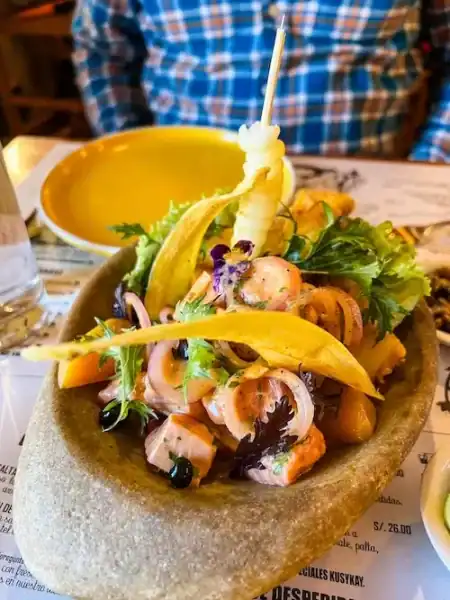
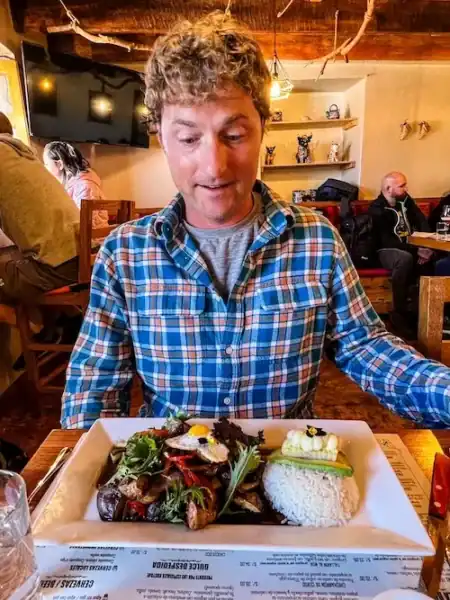
By now, you’ve earned a break. There are two nice options still within the center. I really liked the fancy chicken soup at Morena Peruvian Kitchen.
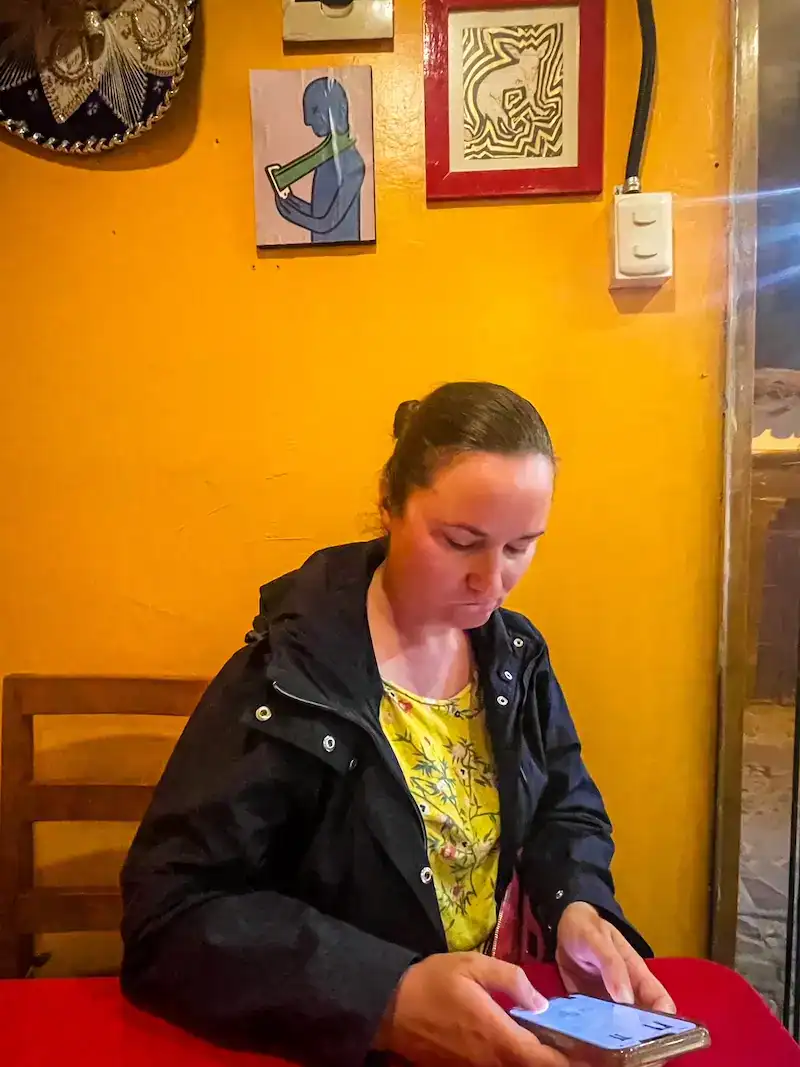
I drowned my altitude sorrows in a pot of coca tea here, too, while Brian enjoyed a house cocktail because he wasn’t doing nearly as poorly.
On another day, we tried Kusykay. I was feeling hungrier at this point, so we shared a healthy bowl of ceviche, a meat plate for Brian, and more soup for me. Soup is never a bad idea.
Keep lunch relatively leisurely here. You’ve got more sightseeing ahead, but there’s no reason to rush, especially if you’re not at your best just yet.
Stop 4: Museo de Arte Precolombino
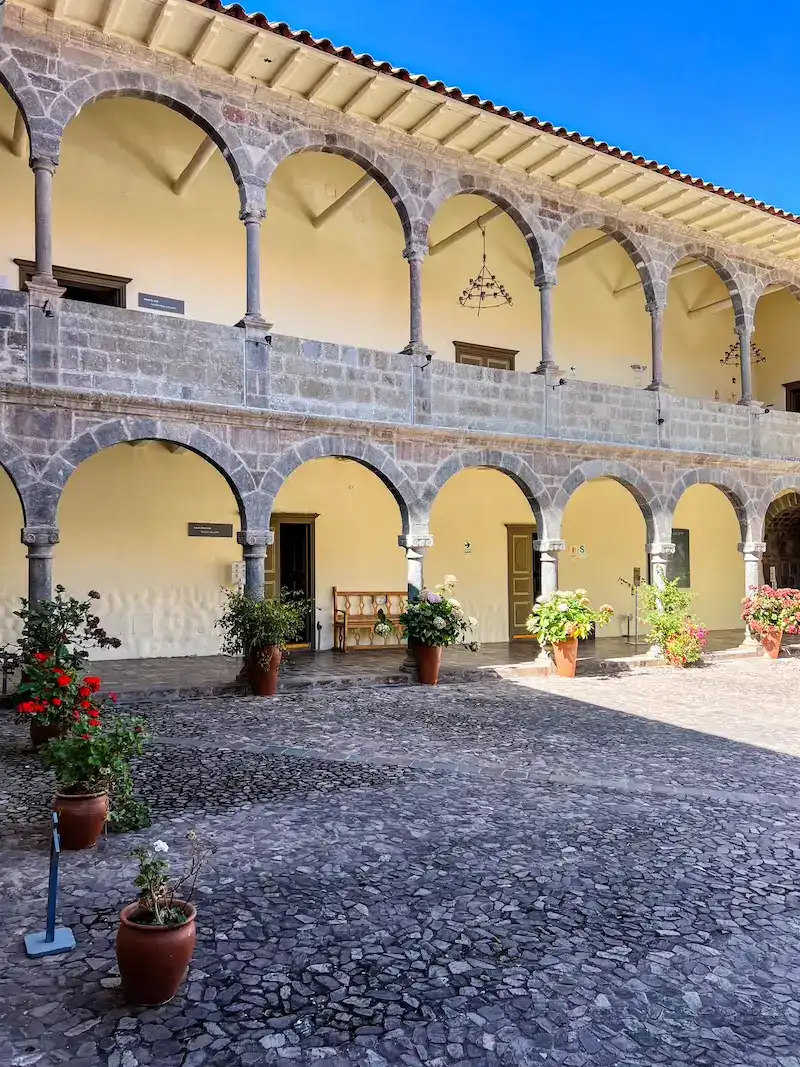
After lunch, spend some time at the Museo de Arte Precolombino, a small but interesting museum with art and artifacts from Peru’s pre-Columbian cultures.
The collection includes metalwork, ceramics, textiles, and Inca art, with exhibits covering the different cultures found in Peru before the Spanish conquest. It’s not a huge museum, but who’d have time for that right now?
The courtyard is nice, too, so there’s more relaxing possible if the day’s calling for it.
Stop 5: Mercado Central de San Pedro
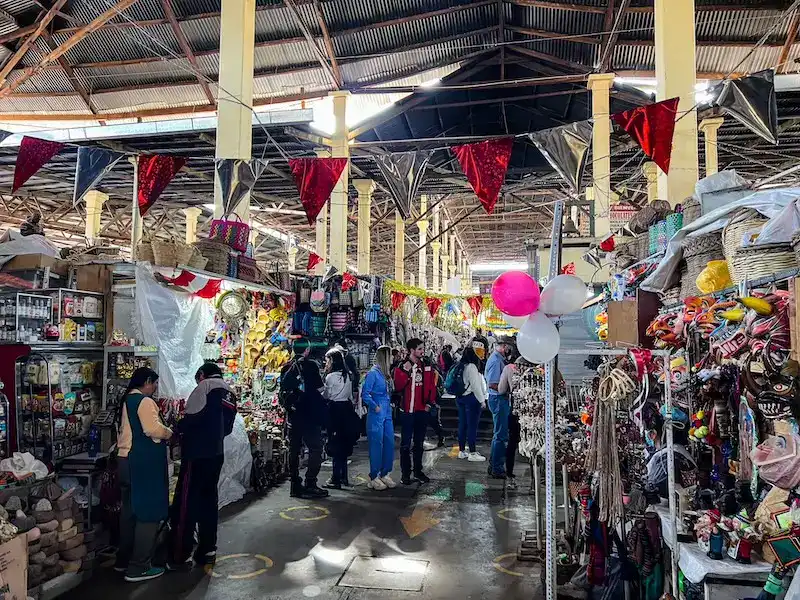
We found this market by accident. We were actually on our way to Arco de Santa Clara, a scenic arch near Plaza San Francisco that marks the transition into the San Pedro area.
Continuing through the arch, we ended up at Mercado Central de San Pedro, a bustling market filled with fruit stands, snacks, souvenirs, and all kinds of tchotchkes. There seemed to be lots of bartering potential here if you’re into that sort of thing.
The Templo de San Pedro, or St. Peter’s Church, is on one side of the market, too, so take a quick look while you’re here.
Stop 6: Sacsayhuamán
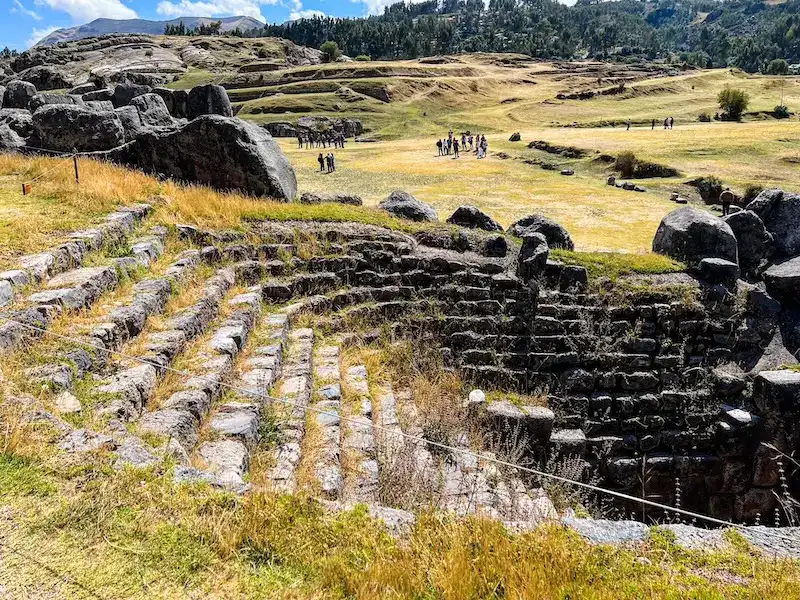
Finish your sightseeing at Sacsayhuamán, the Inca archaeological complex overlooking Cusco. I was feeling like an independent woman when we decided to walk there from the center. It was about 25 minutes on the map.
That 25 minutes involves walking uphill, though, so if you want to save your legs (and your energy) at altitude, you can take a cab or Uber instead.
Note: Taxis aren’t metered in Cusco, so you’ll need to agree on a fare before you get in. Be prepared for drivers to quote you more than you expect, particularly around tourist areas. I called this the “gringo tax.”
Sacsayhuamán was an important Inca ceremonial and military complex, and its stone walls are its best feature. The stones are massive, and carefully shaped and fitted together without mortar.
This site set the scene for the Battle of Sacsayhuamán in 1536, when Manco Inca’s forces fought the Spanish and their allies during the early resistance to Spanish rule.
Once you’re there, you’ll still have plenty of walking to do around the ruins. Allow time to explore the terraces, massive stone walls, and surrounding viewpoints. You may also see some alpacas and llamas grazing around the ruins.
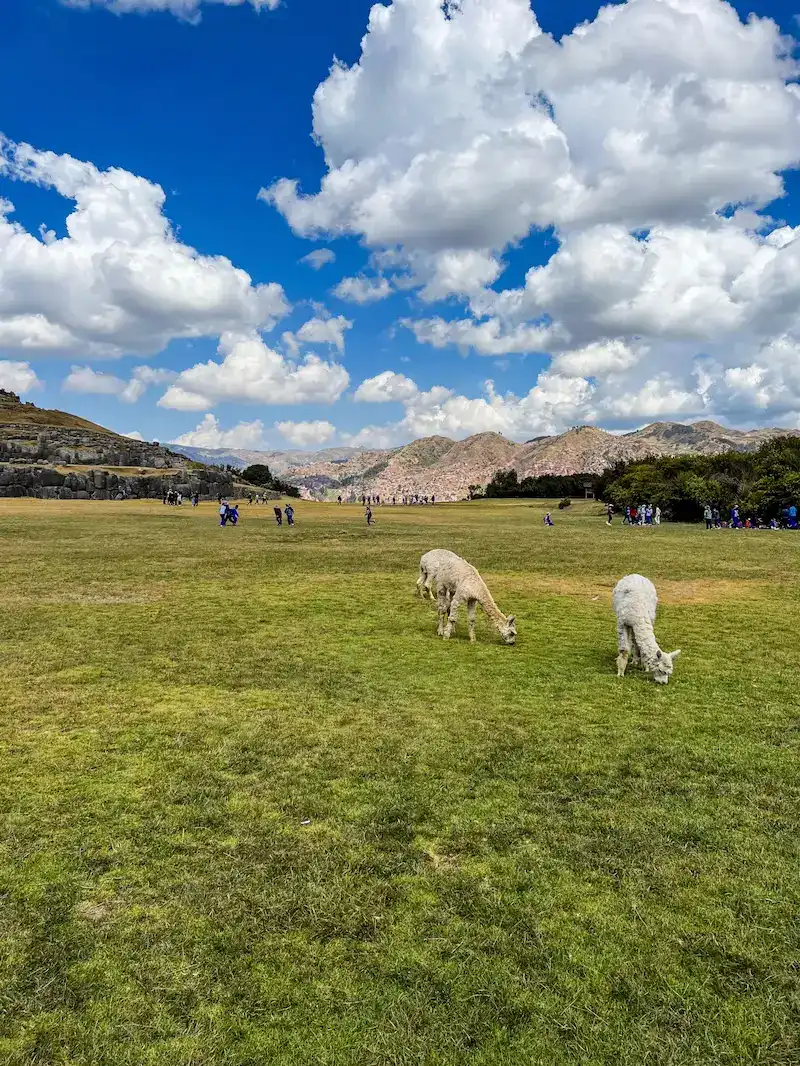
We did some research beforehand to understand what we were looking at while we explored, but guided tours are another option if you’re so inclined.
Here are some highly-rated options that focus on the archaeological sites in and around Cusco:
Stop 7: San Blas
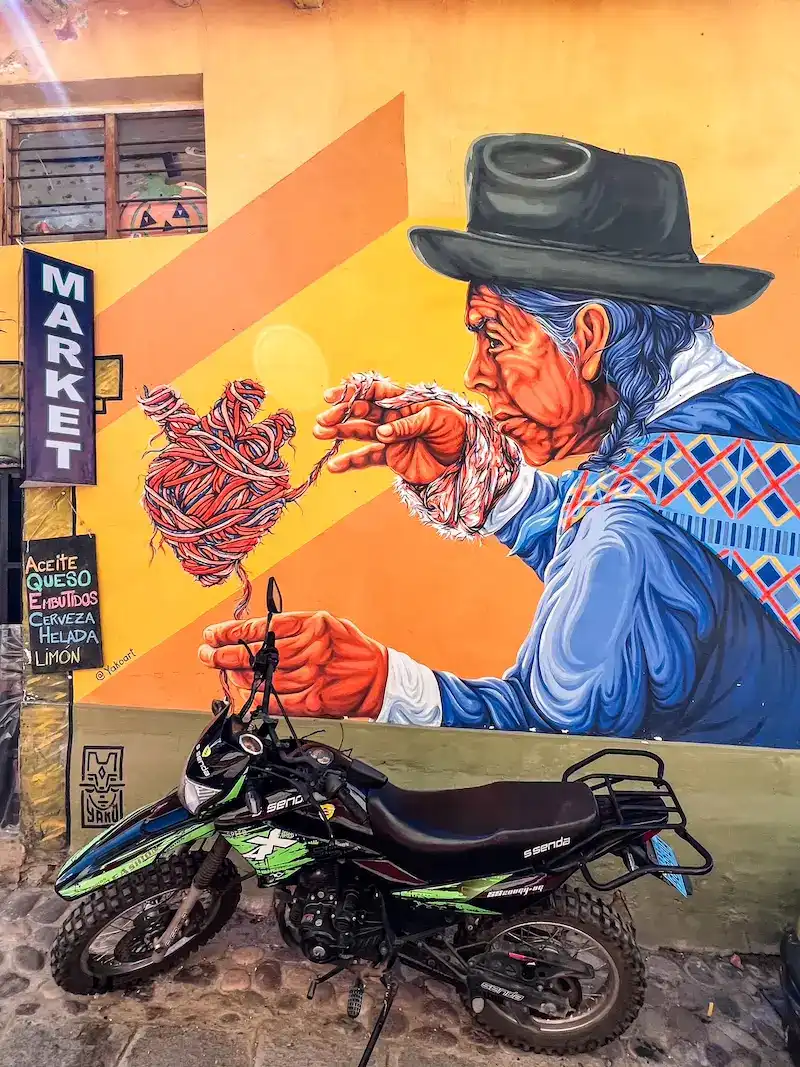
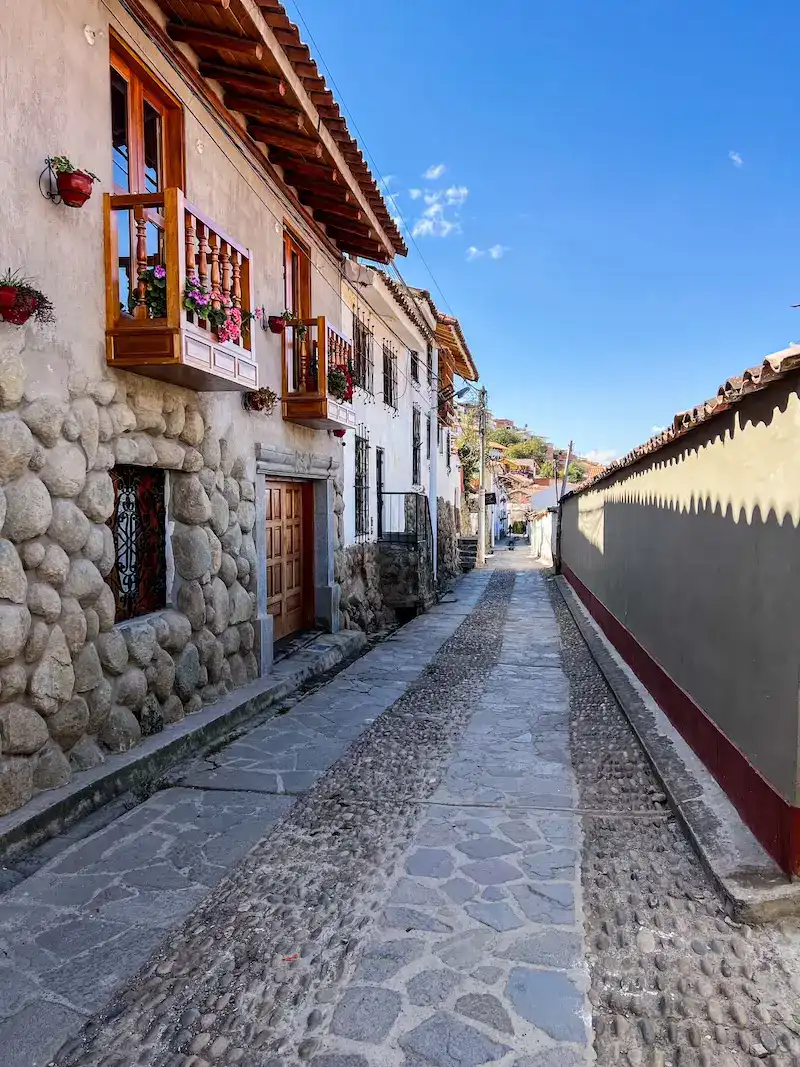
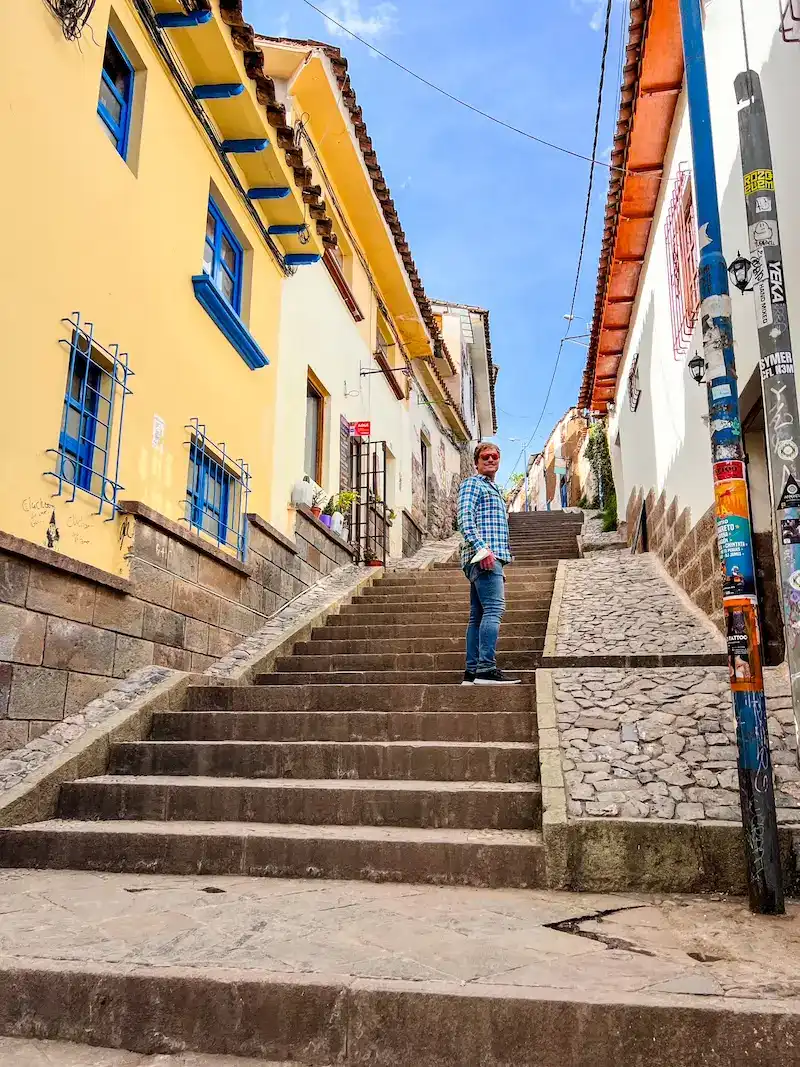
If the energy’s still good after Sacsayhuamán, make your way downhill into San Blas, one of Cusco’s most charming neighborhoods. We spent some time wandering the cobbled streets, taking in the views as we descended toward dinner.
Fun fact: On the way, you can make a quick detour to the Sapantiana Aqueduct, a historic stone aqueduct tucked into a narrow ravine just outside the historic center. It’s an easy photo stop before continuing into San Blas.
For your map app from there, I’d use San Blas Plaza as the destination. From there, you can walk around the surrounding streets and play it by ear.
San Blas is known for its murals, shops, and artisan workshops. After a full day at altitude, you may also just be happy to head straight to dinner, though!
Stop 8: Dinner
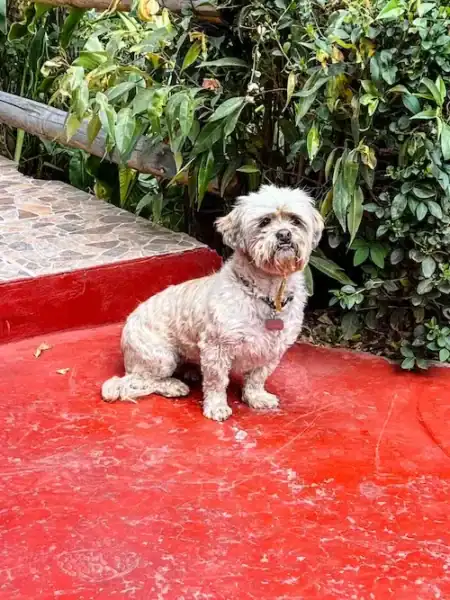
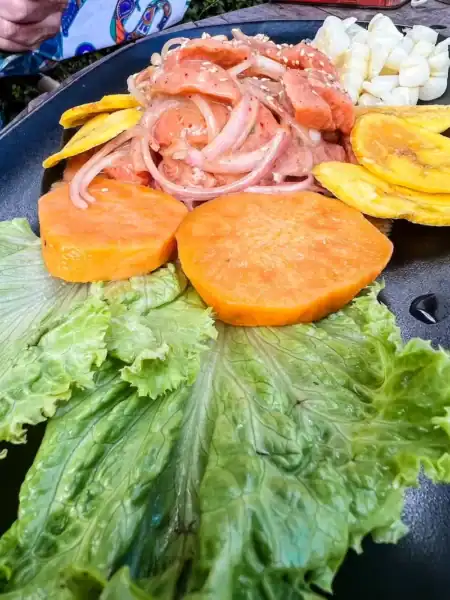
Stay in San Blas for dinner. We liked BarDen Lounge, in part because there was a dog outside waiting for us to arrive, majestic underbite and all.
The menu was limited, but as Brian generally prefers fewer choices, it worked for us. After a day of walking around Cusco, I’d prioritize somewhere like this spot where you can sit and relax.
You’re only about a 10-minute walk from the historic center from here, too, and still downhill!
With More Time in Cusco
This one-day itinerary assumes you’re spending some time acclimating, but if you’re feeling pretty good, you might have time for more stuff.
With more time in Cusco, here are a few more things to do:
- Explore more of Cusco’s Inca sites, including Q’enqo, Puka Pukara, and Tambomachay.
- Visit the Museo Inka (Inca Museum) to see archaeological artifacts, textiles, ceramics, and other objects from Peru’s pre-Hispanic and colonial periods.
- Tour the Regional Historical Museum of Cusco, housed in the Casa del Inka Garcilaso de la Vega, for a broader look at Cusco’s history and culture
- See the Museo de Santa Catalina for colonial religious art, including paintings, murals, wood carvings, and religious objects.
- Take a cooking class to learn more about Peruvian cuisine.
Cusco is also a good base for day trips, particularly into the Sacred Valley. You can visit Pisac, Ollantaytambo, Chinchero, Maras, and Moray from here as part of an archaeological circuit.
You can also take a day tour to Rainbow Mountain (Vinicunca), although that’s a much more demanding excursion.
Best Time to Visit Cusco
The best time to visit Cusco depends a little on what you want to do, but May through September is typically the sweet spot.
This is the dry season, so you’ll have better odds of clear skies and dry conditions for exploring the city and taking day trips into the surrounding Andes.
If Machu Picchu is part of your trip, keep the seasons in mind when planning your entire itinerary. The dry season is generally considered the best time to visit the archaeological site, particularly if you’re hoping for better hiking conditions.
I have a detailed guide to planning a trip to Machu Picchu, with the weather in mind. Check out my Machu Picchu planning guide if that’s a part of your trip to Cusco!
How to Get to Cusco
For most travelers, flying is the easiest way to get to Cusco. Cusco’s Alejandro Velasco Astete International Airport has connections with Lima and other Peruvian cities like Arequipa, which is where we were coming from, so it’s a practical option.
You can also reach Cusco by long-distance bus. This can make sense if you’re coming from places such as Arequipa or Puno, but mountain roads mean journeys can take considerably longer than they look on a map.
Cusco by train from Ollantaytambo is another option for those coming from the Sacred Valley or heading toward Machu Picchu.
The train doesn’t connect directly to Cusco from every destination, though, so you’ll want to examine your overall itinerary.
Once you’re in Cusco, everything here is walkable. Cabs are available for short distances, but I’ve already mentioned a few times to make sure you know what you’re paying before you get in one.
Local buses are another option, although they can be crowded and aren’t necessarily the easiest choice for visitors trying to get around efficiently. For this itinerary, I’d stick with walking and the occasional cab or rideshare.
Does all of this feel overwhelming? There are plenty of guided tours in Cusco, from walking tours of the historic center to excursions covering the city’s Inca sites. Here are a few nice options:
What should I avoid in Cusco?
The biggest thing I’d avoid in Cusco is trying to do too much too soon. Relatively easy activities can feel much harder than they would at sea level.
Here are a few more things to keep in mind:
- Don’t schedule your biggest hiking days immediately after arriving. Give yourself time to see how your body responds to the altitude.
- Don’t underestimate short walks. Cusco is hilly, and a walk that looks easy on a map can involve steep streets and stairs.
- Don’t drink heavily upon arrival. I’m talking about booze. Alcohol can make the effects of altitude harder to deal with, unless you’re a superhuman like Brian.
- Don’t use unofficial taxis. If you take a taxi, use a reputable service and agree on the fare beforehand. Taxis in Cusco generally aren’t metered. Avoid unofficial or unmarked taxis, particularly at night.
- Don’t assume feeling fine at first means you’re in the clear. Altitude symptoms can develop after you arrive, so pay attention to how you’re feeling for the entirety of your visit rather than trying to push through a packed itinerary.
And honestly, don’t be afraid to scrap your plans for the day if you’re feeling lousy, especially if you’re here for big stuff to come, like Machu Picchu!
Is one day in Cusco enough to acclimate?
One day may be enough for some people to acclimate, but it wasn’t for me. Everyone responds to altitude differently, and Cusco is high enough that acclimatization should be taken seriously.
That’s why I keep saying I wouldn’t treat your first day in Cusco as your big sightseeing day. Gentle walks around the center, some good food, and plenty of rest are likely enough to see how you’re handling the altitude.
That’s essentially what we did, and even though we’d already spent a few days in Arequipa, our first day in Cusco was enough to remind us that altitude is no joke.
This is exactly why this itinerary assumes you’ve already had some time to acclimate. If your first full day in Cusco is actually your arrival day, I’d cut this itinerary way back and save Sacsayhuamán and the other more strenuous sightseeing for later.
Where to Stay in Cusco
For this itinerary, I’d recommend staying in or very close to Cusco’s historic center. Being central means you can walk to many of the sights, restaurants, and plazas without having to arrange transportation every time you want to go somewhere.
Just keep in mind that Cusco is hilly, so “walkable” doesn’t necessarily mean “easy” at altitude.
We stayed at Posada San Blas, a small hotel in the San Blas neighborhood. San Blas Church was just a couple of minutes away, and the Plaza de Armas wasn’t far, either.
Being in San Blas felt a little removed from the busiest part of the historic center while still being close enough to walk everywhere we wanted to go. If you’re following this itinerary, San Blas is also a nice base since you’re ending your sightseeing here.
If you’re not ready to commit to my pick, use the map below to browse more options:
Is Cusco worth visiting?
Absolutely. If you’re visiting Machu Picchu, it’s easy to think of Cusco city as the place you pass through on the way there, but I recommend giving yourself time to enjoy the city, too.
Cusco has a unique mix of Inca and Spanish colonial history, with cool stonework, beautiful churches, excellent restaurants, and cute neighborhoods like San Blas.
It’s also a place where you’ll be forced to slow down, something that’s not the easiest for me. The altitude means you won’t be racing from one thing to the next.
So I highly recommend that you give yourself time to sit in a plaza, drink some tea with coca leaves, wander down an unexpected street, or stop for a long lunch.
Planning trips to South America? Check these out:
- Should You Add Bogotá to Your Wishlist?
- A Guide to Making the Most of Easter Island
- How to See the Salt Cathedral of Zipaquirá
- Steal This Three-Day Bogotá Itinerary
- Book Colombia’s Best Street Art Tour
More fun cities to fuel your wanderlust:
- See Perth, a Western Australia Gem
- A Local’s Bucket List to San Diego
- How to Spend Two Days in Edinburgh
- Wander the Canals of Lovely Utrecht
- See Lyon, France’s Foodie Haven

Want to see more?
Subscribe to my biweekly newsletter for hot travel tips I come across, weird stories you won’t see elsewhere and perhaps lifelong friendship.
Too much, or just enough?
