
Three days in Venice is enough time to see the city’s biggest sights, eat plenty of cicchetti, take a gondola ride, and spend a full day exploring the Venetian Lagoon.
I won’t sugarcoat this one. It’s not my favorite Italian city. It’s crowded, more expensive than many other big Italian cities, and there’s that definite vibe of, “Do they even want us here?” going on.
Most of the locals’ vitriol is targeted at day trippers, though, and you’re part of a higher class of traveler. This three-day Venice itinerary is pretty close to our self-guided tour of the city, with some recommended changes based on what didn’t work out for us.
You’ll see St. Mark’s Basilica, Doge’s Palace, the Rialto Bridge, gondolas, several of Venice’s best museums and churches, and plenty of food and wine. And yes, I’ll tell you where I’d spend your money and where I’d save it.
Quick Tips for Your Venice Visit
Your Flight: Seek out deals to Venice Marco Polo Airport using Skyscanner. Love deals? Subscribe to Going.
Your Accommodations: We stayed at the Hotel Canaletto for four nights, and I’d recommend it without hesitation. Browse Booking.com or Hotels.com for more options. Vrbo is my Airbnb alternative.
Top Spots: Ignore the haters and take a gondola ride, marvel at Doge’s Palace, and find your favorite cicchetti.
Disclosure: Travel on the Reg uses affiliate links to keep things running around here. At no additional cost to you, I earn a lil’ commission if you make a purchase. Any income earned supports the upkeep of this site. I appreciate you!
Is three days in Venice enough?
Yes, three days in Venice is enough to see the major sights, explore beyond San Marco, and take a day trip into the Venetian Lagoon. Three full days give you enough time to experience Venice without trying to cram everything into one or two days.
Venice can be crowded, expensive, and frustrating. Spending three days here also gives you more opportunity to see the city early and late in the day, when many day-trippers have left.
If you have more time, you can certainly spend four or five days in Venice, particularly if you want to take additional day trips. For a first visit, three days in Venice is a solid amount of time.
Three-Day Venice Itinerary at a Glance
Day 1: San Marco + San Polo
St. Mark’s Basilica, Piazza San Marco, Doge’s Palace, Enoteca Al Volto, Teatro La Fenice, Scala Contarini del Bovolo, gelato, cicchetti
Day 2: Rialto + Dorsoduro + Cannaregio
Rialto Bridge, gondola ride, Ponte dell’Accademia, Gallerie dell’Accademia, Peggy Guggenheim Collection, Santa Maria della Salute, Ponte dei Pugni, Venetian Ghetto
Day 3: Venetian Lagoon
Murano, Burano, Torcello, return to central Venice for final wine and cicchetti
Three Days in Venice: Day 1
You don’t need to get as early a start in Venice as in Italian cities like Rome or Florence. Things definitely feel a bit more leisurely here.
This becomes less true the later in the tourist season we’re talking about. The closer you get to summer, the thicker the crowds become, necessitating an earlier start.
In any case, decide for yourself how you’d like to navigate the day. That includes a quick stop for breakfast in the morning. I’m good with a coffee, which we were able to nab at our hotel each morning.
Stop 1: St. Mark’s Basilica
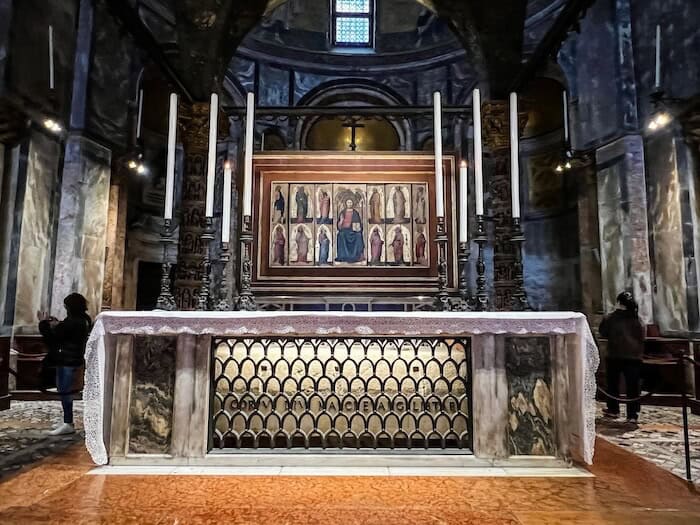
Try to get tickets for the first round of visitors to the Venice cathedral, even in the low season. It was quite crowded, with a long line of folks who didn’t get tickets in advance on a weekday in February.
Purchase the upgrades that include both the museum and the Pala d’Oro, a golden altarpiece, while you’re at it.
You’ll lose much of the crowd in these two spots because they cost extra, even though these are the highlights of any visit.
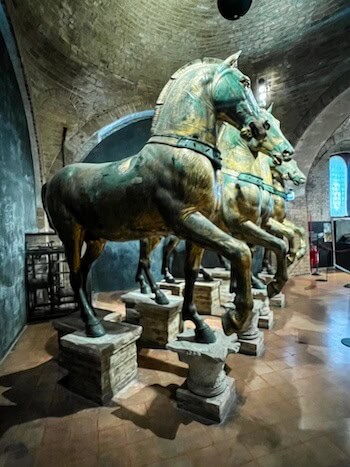
The museum is where you’ll see the Horses of Saint Mark. Sometimes they go by names like the Triumphal Quadriga or Horses of the Hippodrome of Constantinople, but it’s all the same set of bronze statues.
The horses were originally part of a monument outside the basilica that had them pulling a chariot.
They came to Venice via the sack of Constantinople in 1204, so they’re not a Venice original. They sat outside the church until they were taken by Napoleon in the late 1700s.
By 1815, they were returned to Venice, but wiser folks decided they should probably be preserved somewhere since they kept getting stolen. Any horses you see outside are replicas at this point. The set in the museum is the real deal.
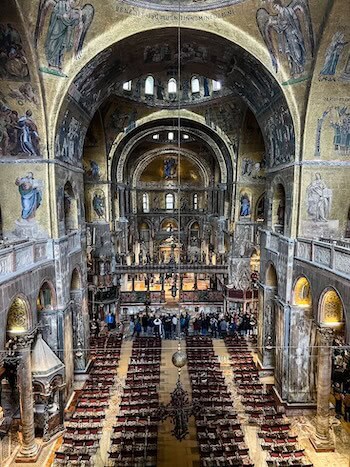
If you want to dedicate more time to the basilica complex, you can climb St. Mark’s Campanile, or bell tower, for views of the city.
The lines were too wild for us because of the holiday we accidentally intercepted, and it was just too foggy the following day, so we missed out on this one.
We ended up climbing one of the city’s twistier towers on another day instead, so all was not lost.
Stop 2: Piazza San Marco
You’ll be on one of the busiest piazzas once you step out of the basilica. This is Piazza San Marco. Napoleon called it “the world’s most beautiful drawing room,” but he must not have been here during Carnival.
Piazza San Marco, or St. Mark’s Square, is the heart of Venice. It’s a hub of activity even on the slowest day, so don’t expect to have the place to yourself.
You may even see “the Pope” there, scrolling through social media on his own.

As I’ve already alluded to, we arrived on the last day of the Carnival of Venice, and it was A LOT. I would not recommend this unless you’re here to party or in costume, Eyes Wide Shut-style.
If you’re smarter than we were about timing your visit, spend some time taking in the architecture. This is where you’ll find the Doge’s Palace, or Palazzo Ducale, your next stop, too.
Stop 3: Doge’s Palace
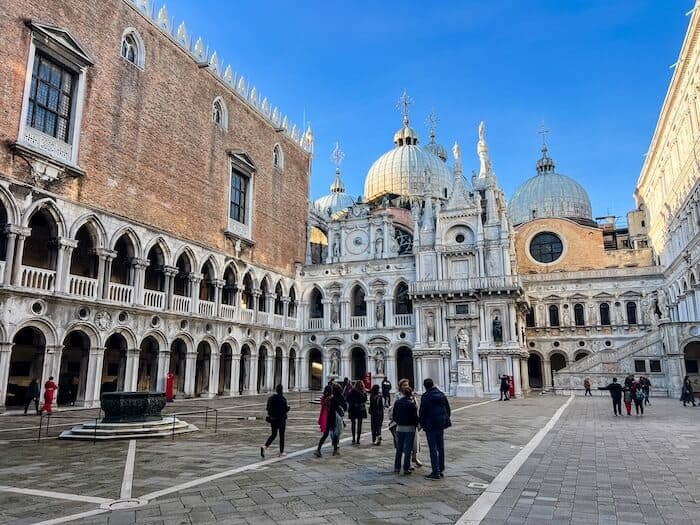
Carnival made some of the attractions less busy toward the end of the day, so we walked right in to tour Doge’s Palace. This is an attraction I’ve read often has lines.
Note: You can theoretically get tickets online, but I wasn’t able to get the website to work. Italy is notoriously bad when it comes to online functionality.
In any case, the government building was super atmospheric. It was interesting to see the difference between the luxe justice rooms where sentences were meted out and the cold cellars at the bottom.
There’s an option to skip the prisons, but I’m not sure why you’d do this. They were my favorite part of the self-guided tour.
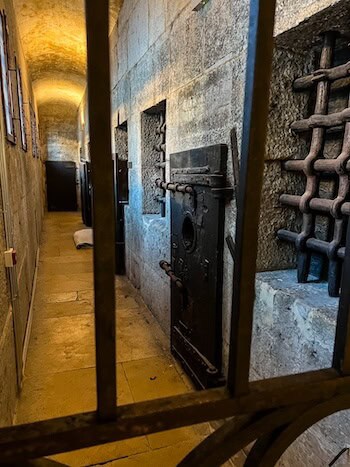

Doge’s Palace dates back to the 9th century. It was initially built as a fortified castle until it became the residence of the Doge. That’s what they called the local leader of Venice back then.
While the earliest construction was replaced after fire damage, what you’ll see today still dates back to the 14th century.
We spent about an hour walking through, and it felt a little pricey, but your money goes toward the upkeep of the place. I’d be less bothered by that if the Room of the Four Doors wasn’t closed during our visit.
This was where government officials hung about before making their life-altering decisions through one of four rooms. The four doors on two of the walls were designed by Andrea Palladio.
The photos look quite impressive, and they do appear to be open again at the time of this post.
While you’re in the palace, you’ll get to walk over the Bridge of Sighs. It’s named as such because of the heavy sigh of prisoners brought into the cells here.
You can see it from the Rialto Bridge, too, but the perspective of the prisoners is more striking. You’ll share the space with fewer tourists, too.
The sighs you’ll get on the bridge will be audible ones from impatient people like me waiting for their turn at the ledge.
Stop 4: Lunch
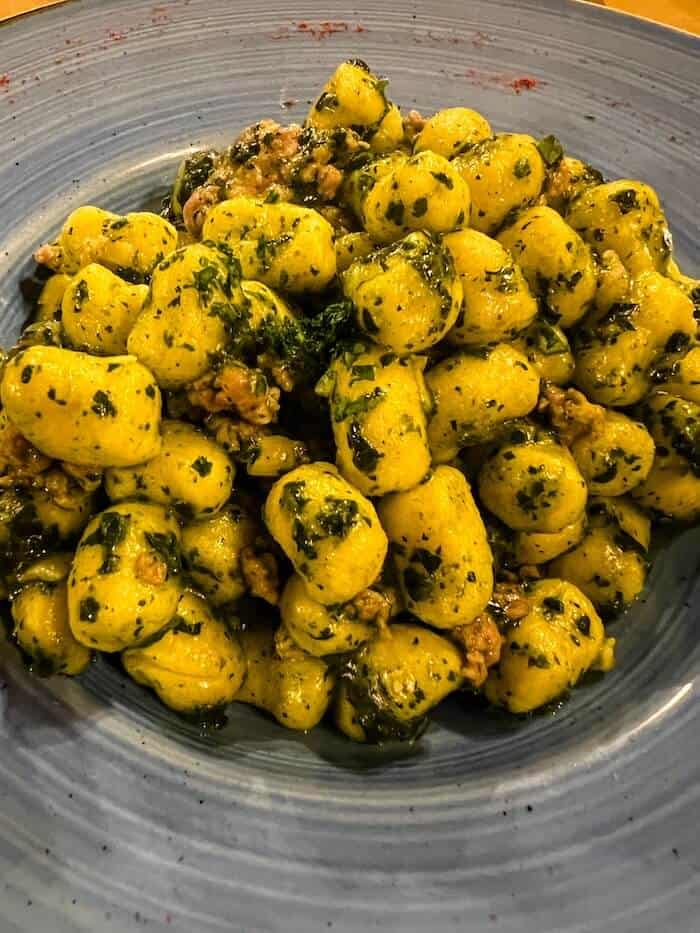
Several people told us that the food in Venice was pretty mediocre, especially compared to other big cities around Italy. Now that we’ve been, I can say it’s pretty ridiculous to write off an entire city like that, especially in Italy.
While it can be a little more challenging to find a good meal here, there is still a lot of delicious stuff happening if you know where to look.
We loved our lunch at Enoteca Al Volto, for starters. You can have bar snacks at the front of the house or grab a seat in the back for the full menu.
Since I knew we were going to have a lot of cicchetti over the next few days, we opted for the seated meal, but the bar spots are representative of most visits here.
Note: Cicchetti are basically the city’s version of tapas. They’re appetizers featuring local ingredients like fried or marinated seafood, cured meats, and creamy cheeses. While they’ll often come on a crostini, that’s not always the case. The point is to make them bite-sized.
For our meal, we shared cuttlefish ink pasta, gnocchi with pork, and a starter of their sarde in saor. That last one is a Venetian specialty consisting of fried sardines on a plate with raisins and pine nuts. It doesn’t sound like it should work, but it did.
Stop 5: Teatro La Fenice
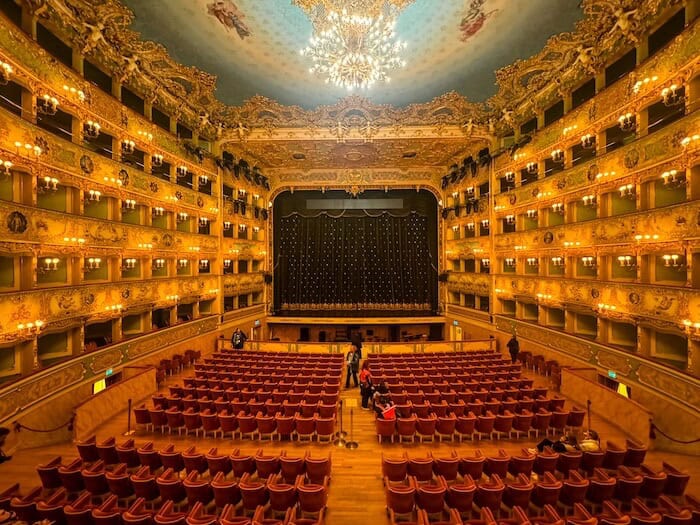
If you took my lunch suggestion, you’re just a five-minute walk to Teatro La Fenice, the Phoenix of Venice. This theater has burned down twice in its history, most recently due to arson.
Rebuilding efforts have always focused on keeping with the original integrity of the place, honoring the resiliency of the space. It’s absolutely beautiful inside.
I’ve read a lot about guided tours here, but there was only a self-guided audio tour available on our visit. The audio guide was still quite thorough. Expect your tour to take about 45 minutes if you listen all the way through.
You can also skip around and take in the surroundings. It’s your life.
My favorite part was listening to stories about the operas that have premiered here from a seat on the balcony. The guide played music clips from several, showing off the acoustics of this place.
Don’t spread yourself out while you’re up there, by the way. I had to throw several sassy glances in the direction of a woman who needed a seat for her coat AND her hat.
Once you visit and see how small that balcony box is, you’ll get my disdain.
Stop 6: Scala Contarini del Bovolo
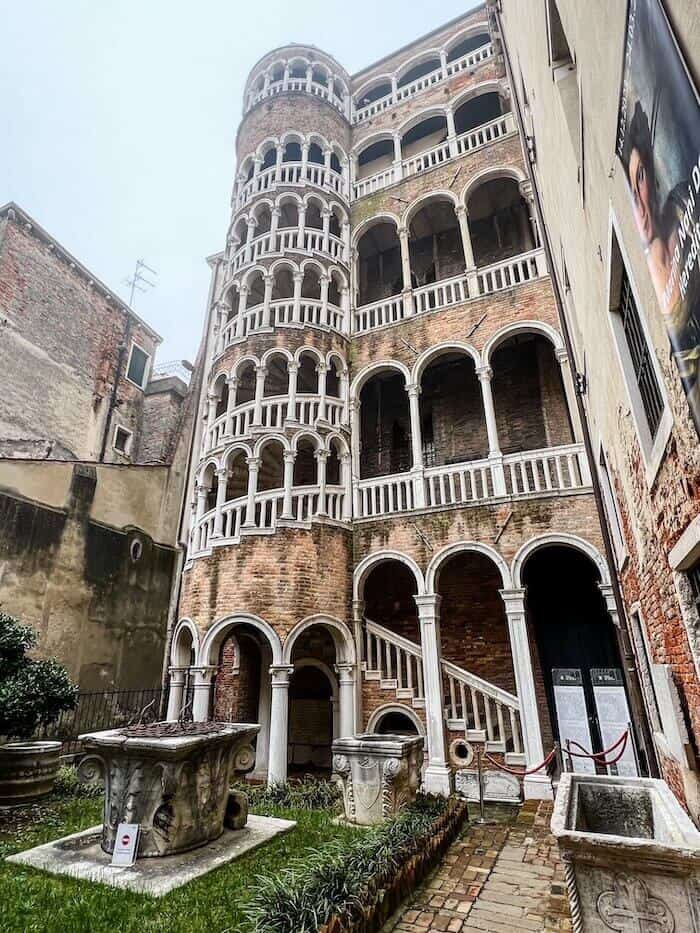
I wanted to visit this tower at Palazzo Contarini del Bovolo because it was used in the Orson Welles version of Othello. Sadly, that fun fact wasn’t mentioned at all in the modest exhibits inside.
Instead, the exhibit hall inside features rotating art from local artists. It was fine. The views from the top were better, even though it was quite foggy on our trip.
I loved the look of this tower, too. It’s all very atmospheric, and the architecture is arguably more interesting than St. Mark’s Campanile.
The tower’s name translates to “of the snail,” by the way, a reference to its spiral staircase.
Climbing the winding stairs was fairly easy. (This isn’t that tower in Pisa.) It’s a quick diversion before making room for your next stop.
Stop 7: Gelato
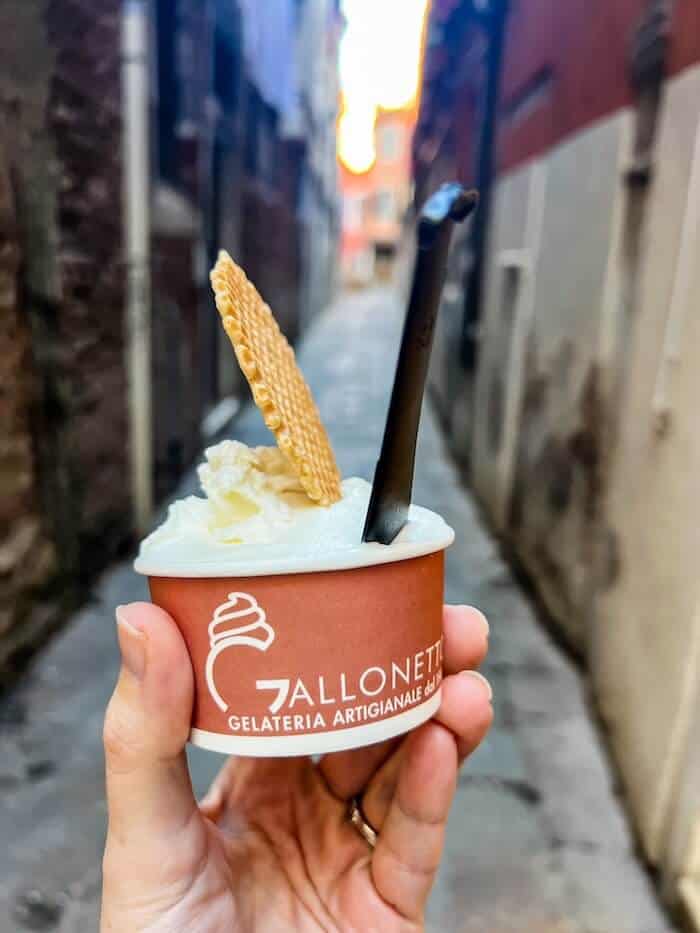
When I’m in Italy, I want to make sure I have room for gelato before I sit down for dinner, so that’s why you’ll see your first Venice gelato stop before your evening meal.
Our pick was Gelateria Gallonetto. It had super high ratings compared to some of the others nearby, and despite a long line out front, we were served fairly quickly.
The gelato was deliciously creamy and worth the modest wait.
To make things even more indulgent, Brian got a cone with chocolate lining the inside. I’m not saying it was stuck on there like a Drumstick. The chocolate was poured inside by the scooper.
There weren’t any regrettable decisions at this stop.
Optional Stop 8: Nino and Friends
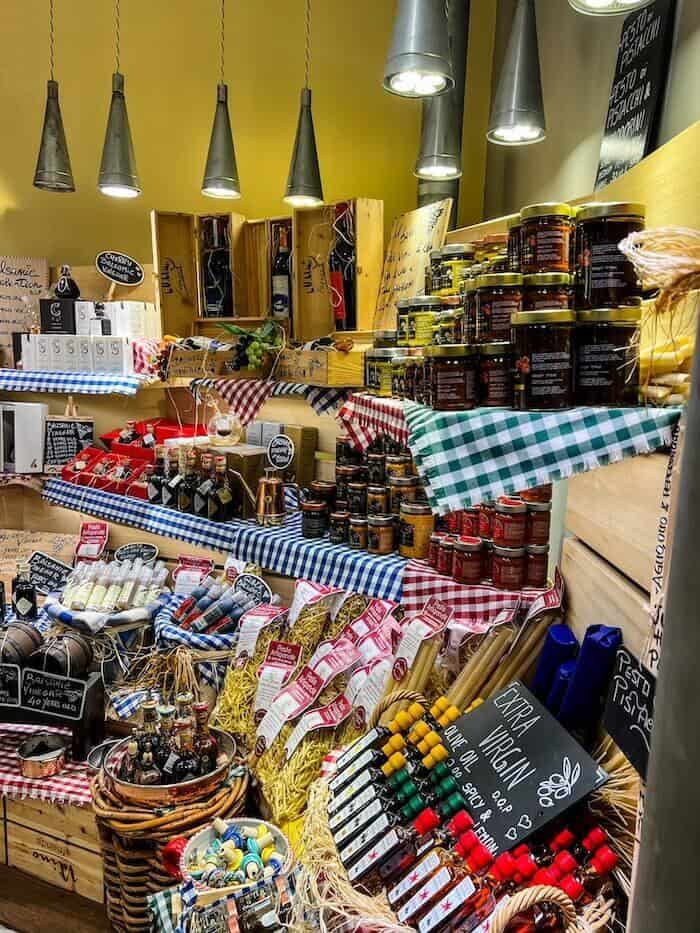
Bellies full of gelato, we still couldn’t resist popping inside a Nino and Friends on our way to hunt down some dinner.
These shops are all over Italy, but if you’ve never been to one and are starting in Venice, you may as well make it happen.
We got suckered in initially thanks to the giant chocolate fountain outside, but we stayed because of all the free stuff they kept giving us.
We tasted pesto spreads, truffle salts, chocolate balls, cookies, limoncello, and more cookies.
Honestly, I’m shocked we even needed dinner after our visit inside, but we made it happen for research purposes.
I’m also not sure why I needed to pick up some expensive truffle salt to take back home with me, but I did, along with some lemon-filled cookies.
I spent way too much money here, so be strong out there if you dare to stop by this place.
Stop 9: Dinner
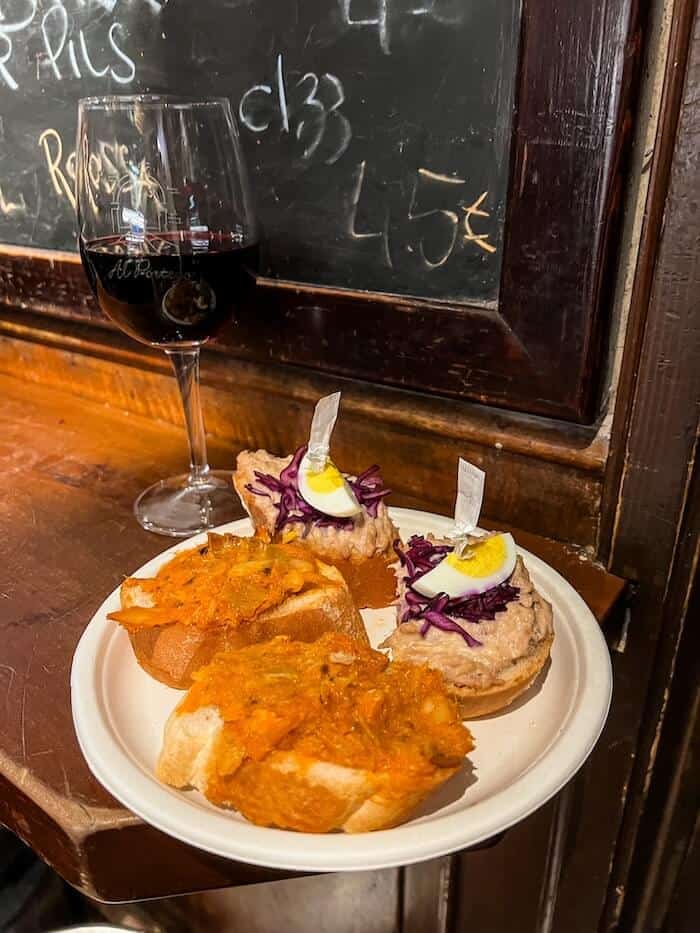
We were in need of something easy after so much snacking, so several platters of bar snacks seemed like the right call.
Our pick for dinner was Osteria Al Portego, a busy bar with cicchetti and cheap wine. We did as the locals do and stood by the bar to take in the atmosphere and any additions to their snack offerings.
I really liked a mini sandwich with spicy sausage, mushrooms, and Gorgonzola, but we didn’t have a bad bite here.
If you want something more substantial, we liked our meal at 1000 Gourmet Venezia. This one is open for an earlier dinner if you’d like to tuck in at a reasonable hour, but you’ll find that’s fairly common in Venice.
Three Days in Venice: Day 2
Do what you need to do to prepare for another busy day in Venice. If you’re following my advice for that first stop, you’ll want to hit the canals by mid-morning. The gondoliers are ready for pick-ups by 9am.
Stop 1: Rialto Bridge
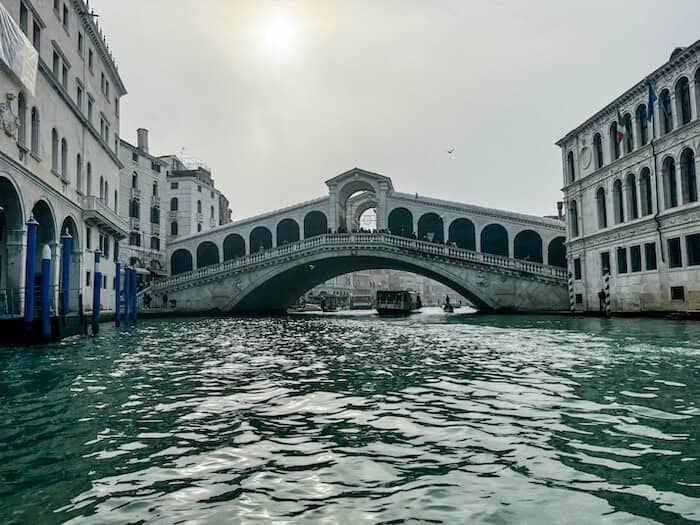
You’ll likely pass over this bridge several times during your three days in Venice, but I wanted to highlight it here as an early morning stop if possible.
This is the oldest bridge in Venice over the Grand Canal, and it’s an iconic symbol of the city.
As such, you likely won’t have this thing to yourself no matter when you’re there. A morning trip may make your visit a little less annoying. It also may be just as annoying.
We found the place pretty quiet the morning after the last day of Carnival, but I’d blame hangovers for that one over any special planning skills.
The best part is that the Rialto Market on the San Polo side of the bridge opens at 7:30am every day but Sunday. It’s lively, super seasonal, and a great place to get an idea of the region’s produce and fish scene.
It’s also likely to be quite busy, as the bridge brings quite a bit of foot traffic into a tight space. Take a deep breath and try to remind yourself that there are more treats to come.
Stop 2: Venice Gondolas
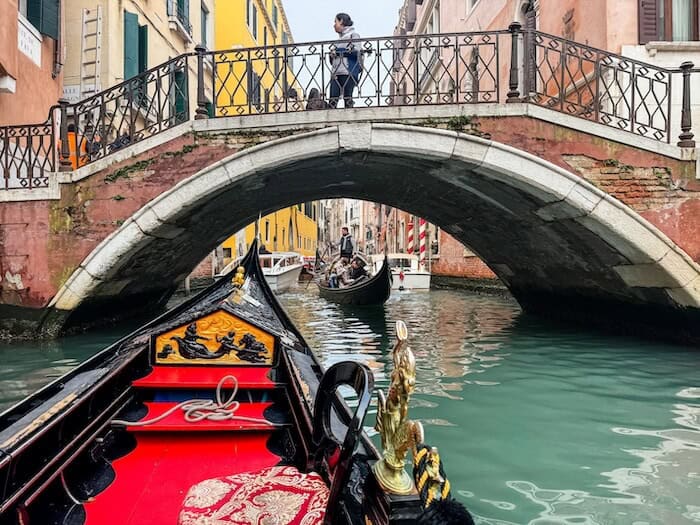
I have a detailed post about whether gondola rides are worth it or not, but I’m including them here for a reason.
If you’ve never been to Venice or know it may be a while before you return, they’re a charming way to see the city and learn some history along the way.
Yes, they’re expensive, and the later it is in the tourist season, the more crowded those canals will get. Get a ride early or late, and you should be fine. (You will pay a premium for rides after sunset, though.)
The water taxis and vaporettos are fun, but they’re just not the same as a gondola, even if you just do it once.
Stop 3: Ponte dell’Accademia

Assuming you’re on foot, feel free to linger in the charming Campo Santa Margherita, a popular piazza, to get to your next few spots.
The Ponte dell’Accademia is one of just four bridges that span the Grand Canal, but it’s not as wild as the Rialto Bridge.
It comes with a curious history, too. Historians say suggestions for a bridge here have been thrown around since 1488. It took until 1854 for one to actually be built, though.
That one was steel, and since it looked a bit out of place in the city of canals, it was replaced by a wooden bridge in 1933. The locals wanted a stone bridge to have it match some of the others, but they failed on that.
Where they didn’t fail is getting Venetian officials to just say “NO!” to love locks attached to its rails. That’s a big no-no here in Venice. Keep your locks to yourself.
You’ll pass this bridge on your way to the next museum, so you may as well check out the view and strike a pose as necessary.
Stop 4: Gallerie dell’Accademia
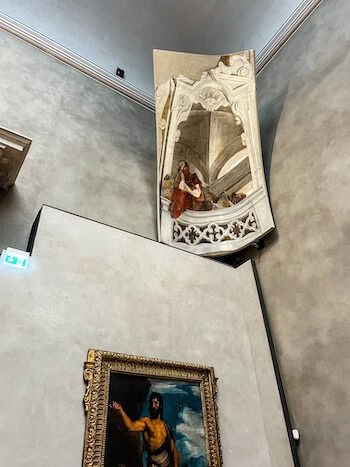
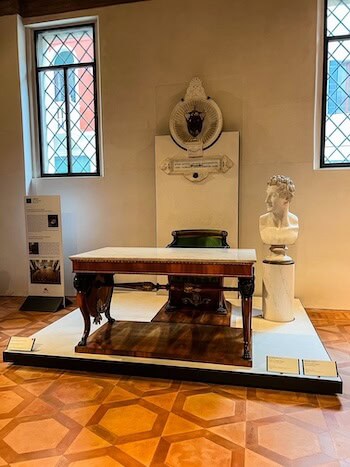
I wanted to stop here to see the works of art that Napoleon had stolen that were then returned to Venice. While many of them are religious in nature, something I’m not all that into, they’re still large, impressive works.
You’ll see art from the 14th to 18th centuries here, including work by Titian, a local favorite. (He was born and died in Venice.)
If you’re wondering whether the bridge and the museum are connected in any way, your curiosity has paid off. Both the bridge and a nearby boat landing station are named for the gallery, which was originally the Accademia di Belle Arti di Venezia.
Stop 5: Lunch
You don’t want to go too far for grub at this point, as you have a few more things to see on this side of town.
Our pick was Agli Alboretti Venice Restaurant for their highly recommended seafood.
They’re known for the squid ink pasta, but since we’d already had a plate of that the day prior, we shared some spinach ravioli and a shrimp dish. Everything was fresh, and the service was nice.
Nearby Trattoria ai Cugnai dal 1911 was also on our list as a second option. They have a seafood lasagna on their menu that I felt some FOMO over.
Stop 6: Peggy Guggenheim Collection
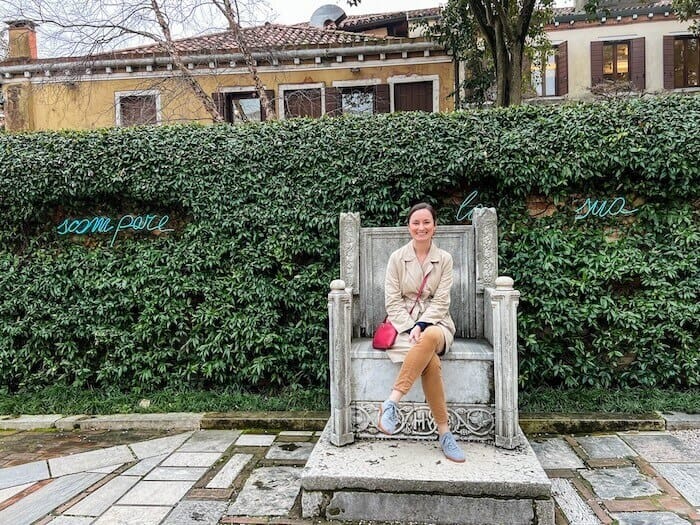
You’re having yourself an artsy afternoon, basically. This museum in the Palazzo Venier dei Leoni reflects all that was so special about Peggy Guggenheim, especially her eye for intriguing art.
You’ll see works by Picasso, Pollock, and Rothko on visits here.
My favorite part wasn’t the art inside, though, but the sculpture garden outside. Peggy was buried there with 14 of her beloved 14 Lhasa Apsos. That’s not a misprint. She owned 14 very fancy dogs over the course of her life.
Despite all that, the place just feels so much more serene than some of the more aggressive art inside.
Stop 7: Basilica Santa Maria della Salute
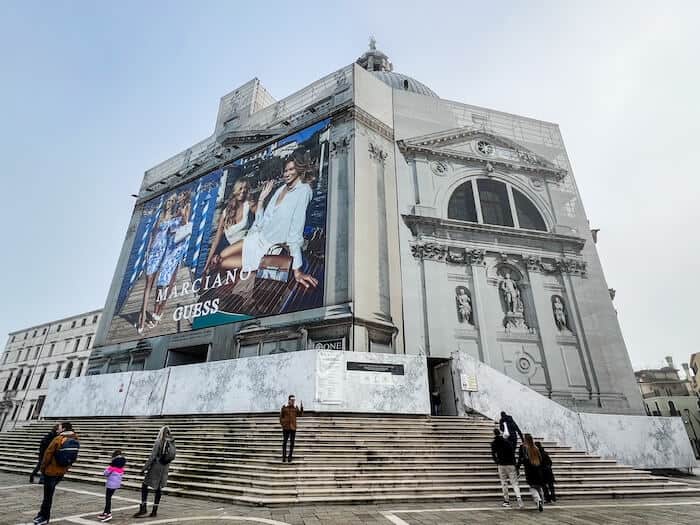
You’ve likely seen this domed basilica from across the canal on your first day in Venice. The church itself is free, but there’s a paid museum inside that we skipped if you’re in the mood for more religious art.
If you do put down the cash, you’ll get access to the sacristy and a collection of art that you’d expect at the nearby Gallerie dell’Accademia.
The sacristy includes several works from Titian, including a self-portrait and St. Mark Enthroned, his earliest known work. St. Mark is the patron saint of Venice, so he’s a big deal around here.
The architecture outside would have been more striking without the Guess ad covering the scaffolding, but you get the idea even if things are just as obscured on your visit.
Don’t miss the viewpoint just beyond the church before heading back. It’s much less busy this far from the Piazza San Marco.
Stop 8: Ponte dei Pugni
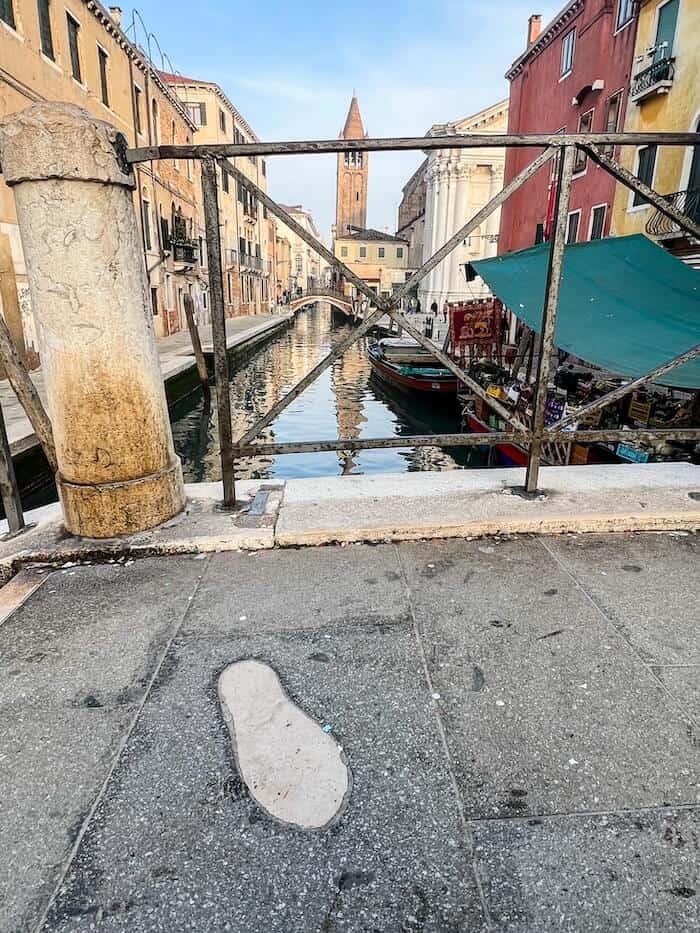
As you make your return, stop by this bridge marked with footprints to show off the clash of rival clans in this city. This bridge was the scene of many fistfights starting in about 1600 over who knows what.
Seriously, historians are still trying to figure out the “why” of the clashes. More generally, there was a long-standing rivalry between the local Nicolotti and the Castellani clans.
You’ll see four footprints here that may or may not mark the spot where people were tossed off into the cold sewage below. The fighting ended in the early 18th century after a particularly bloody exchange of fists.
If you’re thinking about Klaus right now, I see you.
Stop 9: Cannolo
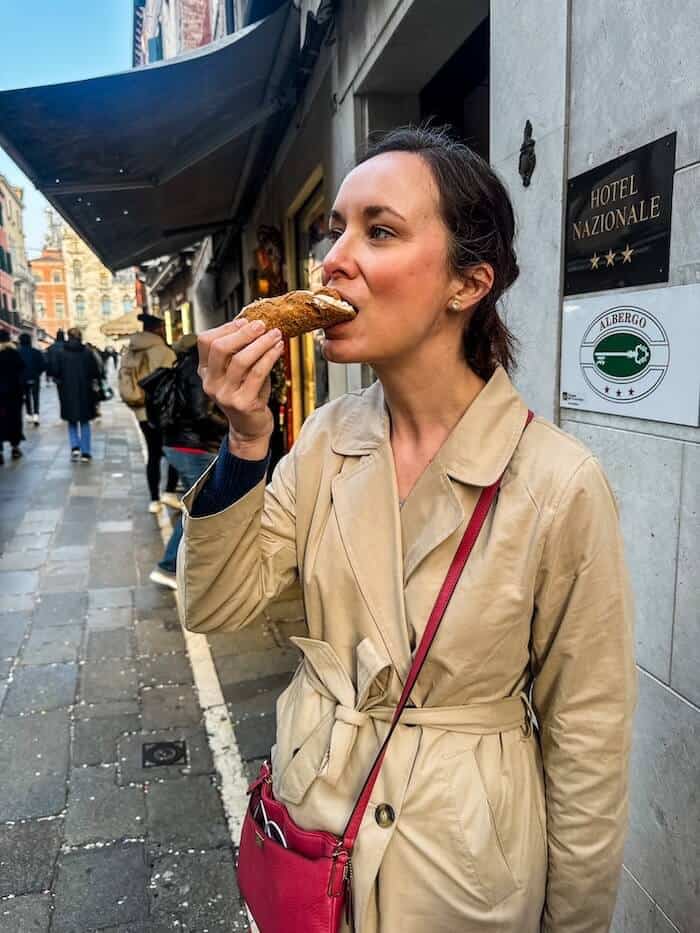
You can sub in some more gelato in this spot, but I have to suggest that you try at least one cannolo on your trip to Venice.
Venetian cannoli are a little different. They’re typically smaller and rounder. I prefer them if we’re in the circle of trust here.
You’ll see all kinds on your trip, though. We wanted to try Pasticceria Tonolo on the recommendation of someone else, but they had closed for the day. We tried two other spots, instead, that resembled delis.
I couldn’t tell you the name of either, but cannolo options are a dime a dozen in Venice. I haven’t met one I didn’t like, and I hope the same for you.
Stop 10: Venetian Ghetto
The city’s Cannaregio district was once home to the Venetian Ghetto, an area of Venice where Jews were segregated from the rest of the city.
It’s historically significant as the first Jewish ghetto of this type in Europe, with roots that go back 500 years.
Today, it’s known for its arts scene and set of five historic synagogues, but a walk-through is an education in a history few tourists know about.
If you have more time, stop by the Jewish Museum of Venice to learn about the history of the area. Guided tours take you into two of the synagogues in the former ghetto open to tourists.
Stop 11: Wine in Venice
I’m sure you’ve already had wine on your Italy trip, but I wanted to share my favorite dedicated wine bar with you just in case.
Vino Vera specializes in natural wines, so the pours will be a few extra dollars here, but that’s what happens when you’re on the biodynamic train.
Fun fact: There are no spritzes here, and they’re not shy about that fact.
The service was great, and their chicchetti were a little more upscale. Yes, you can also eat here. You should. We did.
If you’d like a full meal, you’re close to Il Paradiso Perduto, a popular Venetian diner, from here. It came highly recommended to us, but we just couldn’t make it happen. Reviews online suggest reservations are a good idea.
Three Days in Venice: Day 3
Part of the charm of visiting Venice is bopping around the islands within the Venetian Lagoon.
Honestly, if you only have two days in Venice, I’d try to make at least a half-day trip happen away from central Venice.
Fun fact: There are about 120 islands that make up the lagoon of Venice. I’ve seen the number as low as 118 and as high as 126, so do with that what you will.
If you have FOMO over missing out on your best options, I have a guide to covering all three: Murano, Burano, and Torcello.
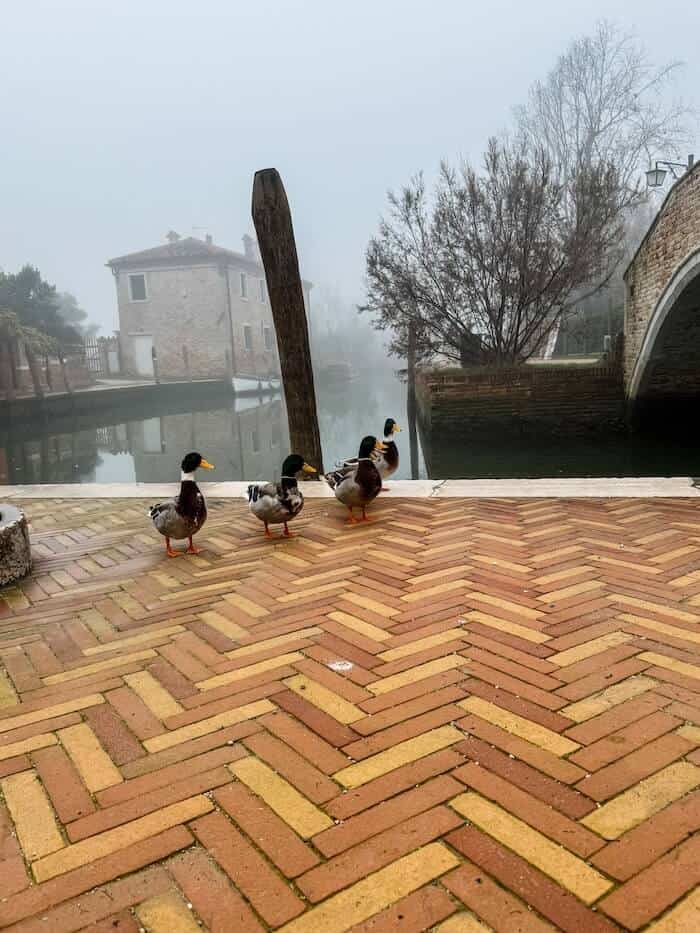
If you don’t want to make a full day out of it, Burano is the most popular option thanks to its technicolor houses. Lots of colors mean lots of visitors wanting photos of those colors, so don’t expect to have this one to yourself.
READ MORE: I have a guide to Burano day trips if you’re not deterred by tourist activity!
Visiting a few of the Venetian islands should take up the better part of the day, and my guides give you loads of information on things to do on each one. I even include which vaporetto stops are best to make each island happen.
We hit some bad fog on our own day on the water, so we got back by dinnertime in central Venice. Boats were being canceled right behind us, so we made the right call.
It would’ve been too far to swim.
I’d recommend you do the same even if you don’t have fog delays, if only to have one more round of wine and cicchetti.
Our final pick was Cantina Do Mori, one of the oldest (if not THE oldest) wine bars of this style in Venice.
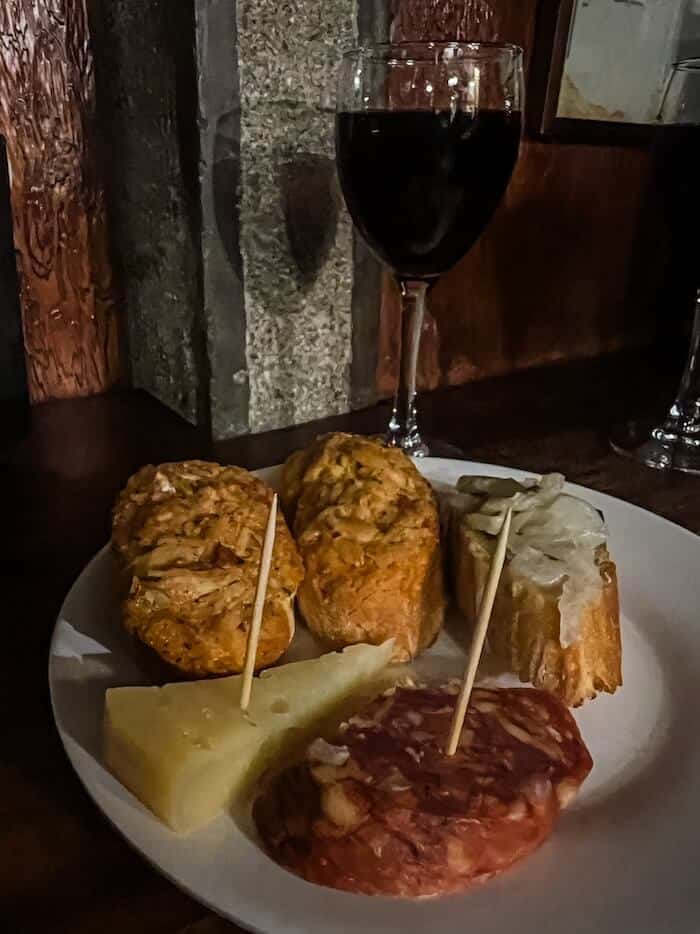
I found this one by following Anthony Bourdain, but if you take a food tour in town, you’ll likely pass through this one at some point. Enjoy some cheap wine, efficient service, and a variety of snacks, including local cheeses.
For fans of Bourdain, Il Diavolo E L’acqua Santa or Al Covo are two more options for a sit-down meal.
Love options for your bar snacks? Bacaro Ae Bricoe was another that was on my list.
READ MORE: If you have time for a more romantic day trip, we loved our visit to Verona!
Is Venice expensive?
Venice can be expensive, especially at peak times. Hotels, especially those with canal views or near St. Mark’s Square, charge a premium. Dining in touristy areas adds up quickly. Gondola rides may be iconic, but they’re pricey.
I found Venice overall to be more expensive than other popular Italian cities like Rome and Florence, but there are ways to save here. We enjoyed meals of cicchetti, for example, rather than sit-down dinners.
When is the best time to visit Venice?
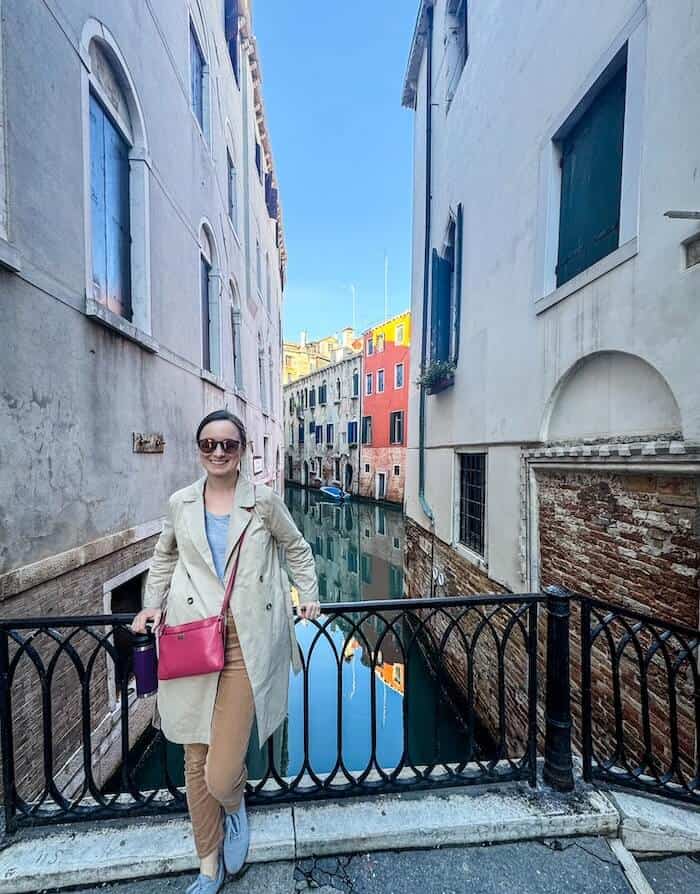
The best months to visit Venice are November through February if you want to deal with fewer people. The exceptions within this time period are the winter holidays and Carnival.
You may get some chillier weather in the winter, but it’s so much better than dealing with cruise ship day-trippers the closer you get to summer.
Is Venice safe?
Venice is generally a safe city. You’ll want to avoid poorly lit areas like the city’s narrow alleyways if you’re wandering the streets alone at night, especially knowing that you may not have your online maps to fall back on. Trust your instincts.
As Venice is so heavily touristed, beware of pickpockets and the usual tourist scams. The good news is, the gondolas are heavily regulated, so you won’t get scammed there.
Where to Stay in Venice
We loved the Hotel Canaletto and its quirky decor and friendly staff for our time in Venice. We did have to return keys whenever we went out, but this wasn’t a problem. There was always someone available at the front desk.
They didn’t judge us for asking for extra pillows, either. It’s a must for Brian. Breakfast was included with our booking, and it was a pretty decent morning selection.
If you’d like to shop around, check out the map below for more Venice hotels and apartments:
Tips for Spending Three Days in Venice
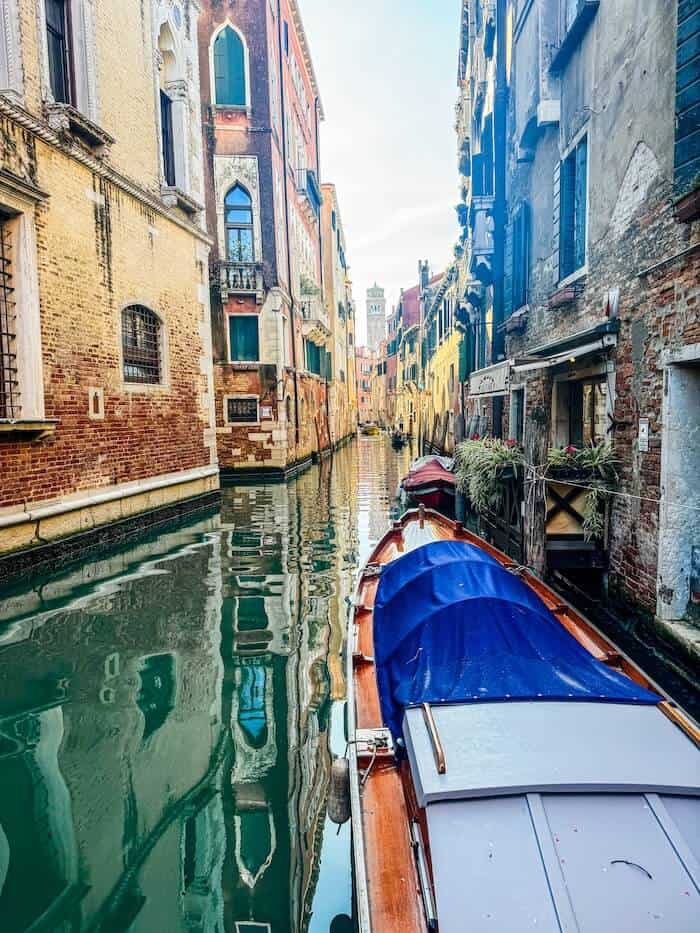
You’ve planned out your Venice travel, and now it’s time to make the magic happen. I’ve rounded up a few more tips from our trip because we definitely learned some things while visiting this one:
- If you’re here on a day trip from the end of April through mid-July, you’ll need to pay an extra fee to visit Venice. It’s a flat 5 euros, so I’m not sure it’ll do much to curb tourism in the city, but it’s a thing to be aware of if you’re making it quick.
- Don’t make it quick. Venice is a nightmare during cruise season, especially during those midday hours that see the most day trippers. This guide is a three-day guide, too. What are you doing here if not planning three days in Venice?
- Upon arrival at Venice Marco Polo Airport, you can buy bus tickets to Piazzale Roma. Your options are the ACTV or the ATVO. Base your decision on timing. Costs are similar.
- If you’re seeking a little whimsy, you can also get to central Venice on an Alilaguna water bus or private water taxi, the most expensive option.
- Skip the roller bag. All of those canals mean you’re going up and down bridges and stairs. Brian had to help some gals who overpacked, but he won’t always be around.
- Venice isn’t some lawless land. While in Venice, don’t swim in the canals, feed pigeons in St. Mark’s Square, or sit on monuments or steps. Dress appropriately for visits to any churches.
- Venice is a no-wheel zone. Don’t expect to ride your bike from one spot to the next.
- Do your research. Venice is touristy. If you assume you’ll just decide what to do and where to eat in the moment, you’ll miss out on some gems. Be diligent about choosing where to eat unless you want to be stuck with tourist menus.
More Things to Do in Venice
I’m not sure I’ll be back in Venice anytime soon, but we did leave a few things on the table. Here’s what I’d prioritize on a repeat visit:
- Have fun with mirrors to check out the ceiling paintings at Scuola Grande di San Rocco.
- Check out Libreria Acqua Alta, the island’s most famous bookstore thanks to its flood prep and many stray cats.
- See the Basilica di Santa Maria Gloriosa dei Frari, the largest church in the city.
- Visit the island of San Giorgio Maggiore and its namesake church.
- Attend the Venice Biennale, an annual modern art exhibition running in some form since 1895.
- Support Venetian merchants and shop local at Venezia Autentica.
- Embrace the madness of the Carnival of Venice rather than accidentally arriving at the end as we did.
- Hit the beaches of Lido, another island on the Venetian Lagoon.
Is three days in Venice worth it?
Yes, I think three days in Venice is worth it, especially if you want enough time to see the major sights without spending your entire trip fighting through crowds.
If you come away with any travel tips as a result of this Venice itinerary, let it be this: Form your own opinions about places like this.
I’m rarely shy about expressing my disdain for a place, especially when there’s something about a destination that makes me uncomfortable.
I’m not quite that critical of Venice, but I will say it was more on the “fine” side compared to some of my Italian favorites. I get into that more in my guide to whether Venice is worth visiting.
Venice can feel like a lot, but that’s because it IS a lot. It’s also overtouristed, so you’ll need to exercise patience as you navigate visits there. Embrace the planner within you, and be flexible.
Traveling elsewhere in Italy? Check out these destinations nearby:
- Bologna Is Worth Your Time. Here’s Why!
- A Detailed Itinerary for Florence, Italy
- Visit the Birthplace of Pizza in Naples
- How to Plan a Visit to Lucca from Florence
- Top Things to See and Eat in Parma, Italy
See more of Europe’s bucket list destinations:
- A Guide to the Best of Giverny in Spring
- Plan a One-Day Trip to Vatican City
- Want to See Monaco? Use This Guide
- A Detailed Guide to Frankfurt During Christmas
- One Fantastic Day in Reykjavik, Iceland

Want to see more?
Subscribe to my biweekly newsletter for hot travel tips I come across, weird stories you won’t see elsewhere and perhaps lifelong friendship.
Too much, or just enough?
