
Three days in Rome is enough time to see the big highlights, including a visit to Vatican City, if you plan things out well.
I’ve been to Rome twice now, and while it’s not my favorite Italian city, it’s an important one. The history alone makes it worth the trip.
It’s also chaotic, crowded, and not always in the best condition. That’s just part of the deal here.
Rome gets a lot better when you go in knowing that. The sights are incredible, but seeing them takes some effort. Pre-planning makes a huge difference.
This three-day Rome itinerary is built to help you make the most of your time without wasting it in the wrong lines or places. I’m sharing exactly what to prioritize, where to eat, and a few alternatives when the biggest attractions feel like too much.
Let’s get into it.
Quick Tips for Your Rome Visit
Your Flight: Seek out deals to Leonardo da Vinci–Rome Fiumicino Airport using Skyscanner. Love deals? Subscribe to Going.
Your Accommodations: I hated our Rome accommodations, so you won’t see a specific recommendation here. Browse Booking.com or Hotels.com for more options. Vrbo is my Airbnb alternative.
Top Spots: Take a guided tour of the Colosseum, Palatine Hill, and the Roman Forum, see the views from Castel Sant’Angelo, and marvel at the ceiling in St. Peter’s Basilica.
Disclosure: Travel on the Reg uses affiliate links to keep things running around here. At no additional cost to you, I earn a lil’ commission if you make a purchase. Any income earned supports the upkeep of this site. I appreciate you!
Three-Day Rome Itinerary at a Glance
Day 1: Ancient Rome + Historic Center
Colosseum, Roman Forum, Palatine Hill, Pantheon, Piazza Navona
Day 2: Hidden Rome + Food + Views
Basilica of San Clemente, Baths of Caracalla, Giardino degli Aranci, Testaccio Market, Rooftop views
Day 3: Vatican City + Trastevere
St. Peter’s Basilica, Vatican Museums & Sistine Chapel, Castel Sant’Angelo, Trastevere streets
This itinerary is best for: first-time visitors, travelers who want to see highlights efficiently, and people who are comfortable walking a lot.
Is three days enough in Rome?
Three days in Rome is enough time to hit the main sites if you keep things busy. You can certainly spend more time in the Italian city. There’s a lot to do!
We had a full week in Rome that included a few day trips on top of an aggressive approach to Rome itself.
I’ll get into all that we did, but will focus on what you came here for: a Rome itinerary for three days in the historic city.
READ MORE: Rome wins over Florence in a few traveler categories. Learn about which ones!
Three Days in Rome: Day 1
This three-day itinerary for Rome kicks things off with some of the most important historical sites in the city. I do this on purpose.
You’ll need to book almost everything you read about here in advance, and I strongly encourage you to tick off the big items first as you book. That includes any unique tours in Rome that you have your eye on.
Get an early start each day, too. Tourists who sleep in are tourists who miss out in the case of Rome. My guide to navigating Rome can help you get from point to point if you’re too far to walk to attractions.
If your hotel doesn’t have breakfast — ours had a limited but sufficient selection — grab a pastry and coffee from any of the cafes you’ll pass on your way. Your first day is a busy one!
Stop 1: Colosseum, Palatine Hill, and the Roman Forum
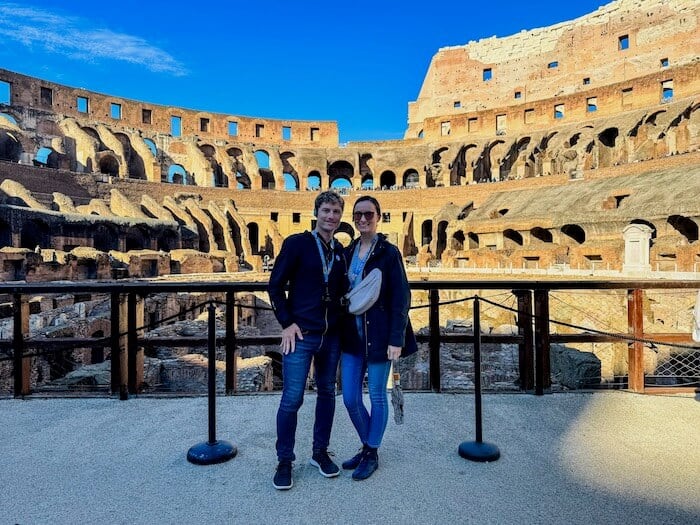
You can DIY all of Rome’s biggest sites if you’d like, as long as you book ahead of time before things sell out. I’m all about that budget-friendly DIY life unless I feel like I’m missing out on something doing it that way.
This is one of those times. Let me get into why tours are the best way to see these three Rome attractions in particular.
Ours was a very involved tour of a little over three hours. There was SO much history, but I wouldn’t have done it any other way. I highly recommend a tour so that you can get onto the arena floor of the Colosseum and join the gladiators of yore.
Yep. It’s as awesome as it sounds.
Will it also be crowded as heck? Yep. Without a guided tour, though, I would have been overwhelmed and unwilling to dedicate as much time as we did navigating the crowds, likely missing out on some important context.
Palatine Hill and the vast Roman Forum, the historic center of Rome, would have been particularly challenging to do on our own.
I sense there would have been a lot of wandering once we hit the Arch of Constantine. A guide knows exactly where to take you for some of the best views in the city, too.
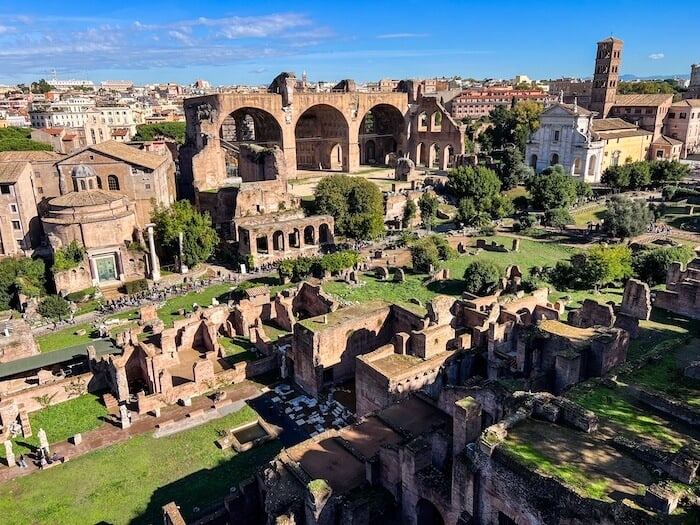
Just book a tour. If you’re traveling with others and wondering whether it’s worth convincing them to book the arena floor upgrade for the Colosseum portion, I’m telling you right now that it is.
We did this tour and absolutely loved it.
Here are a few more if you’d like to comparison shop:
Stop 1 Alternative: Guided Tour of Rome
The tour above involved A LOT of walking. On a repeat trip to Rome with my mom, we knew she wouldn’t be able to handle that much, especially if we wanted to do much more the rest of the day.
We booked a three-hour guided sightseeing tour, instead, with no regrets.
The tour we booked took us to all of the major sights and viewpoints throughout Rome in an electric golf cart, which is as much fun as it sounds. We even saw sights we didn’t get to on our last trip because we were on our feet all week.
Those hills can be intimidating if you’re not on fresh legs.
Booking a morning tour drops you off just in time for lunch, too, and you can still pick and choose stops on this itinerary once you’re back on your feet.
Stop 2: Lunch
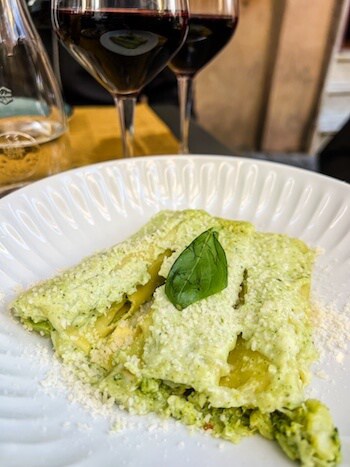
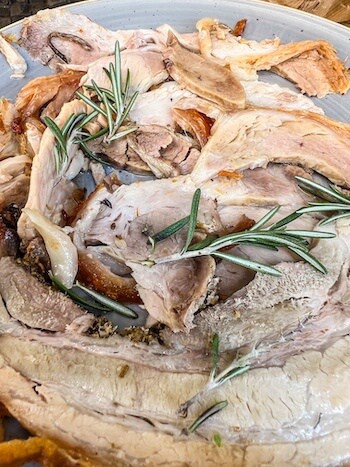
If you picked a morning tour as we did, you’ll be right up against lunch once you’re done. The eateries should just be opening up, too, so it’s pretty perfect timing.
Our pick was Ai Tre Scalini.
They were a little late opening, but I’m glad we waited. We shared some porchetta di Ariccia, spinach and cheese cannelloni, two glasses of house red, and some tiramisu. Prices were much friendlier here than at any of the eateries nearby.
If you’re already craving pizza, we liked Luzzi. This spot was recommended by one of our guides as his favorite spot to grab lunch after visits to the Colosseum. I wouldn’t recommend the option with the fried potatoes, though. They’re just fries!
Stop 3: Altar of the Fatherland/Altare della Patria
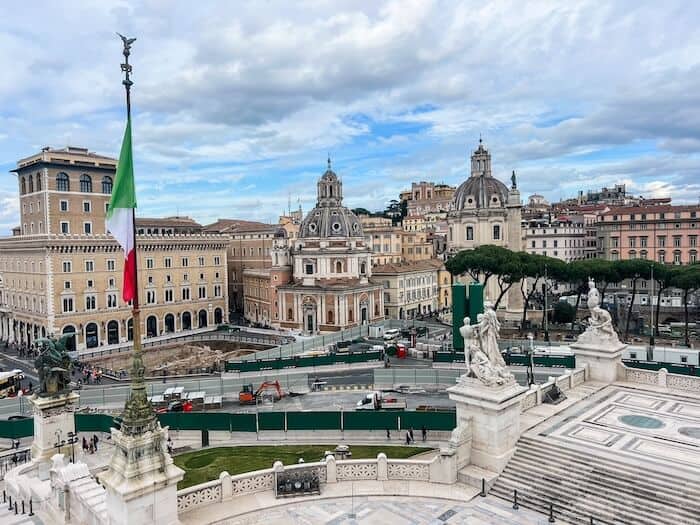
You’ll pass Piazza Venezia on the way to this symbol of Rome, also known as the Monument to Victor Emmanuel II. This stop boasts one of the best views of the city.
Unless you want to take the tourist elevator to the very top, it’s all free, too.
Note: The elevator felt like a trap, so we skipped it. You can walk almost all the way up for free, but let me know if I missed out on something!
Before you climb all of those steps, pay your respects at the Tomb of the Unknown Soldier. Much like other war memorials around the world, soldiers guard an eternal flame here 24/7.
Enjoy the view at the top for a while before moving on, or pop by the Central Museum of the Risorgimento up there if you want.
The heritage museum is an Italian history museum that didn’t sound all that intriguing to us, considering everything else that was on our agenda.
You do you, though.
Stop 4: Capitoline Hill
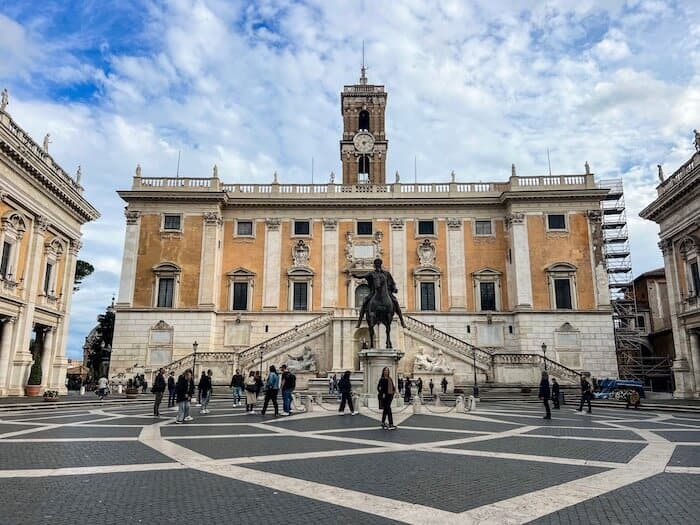
More excellent views await at Capitoline Hill, one of Rome’s seven hills. While you’re here, take in the Piazza del Campidoglio, or Capitoline Square, designed by Michelangelo.
In the middle sits the Equestrian Statue of Marcus Aurelius. The name is fairly self-explanatory there.
Fun fact: This is also where you can see a small replica of the Capitoline Wolf, or Lupa Capitola, a sculpture depicting a she-wolf suckling the twin founders of Rome, Romulus and Remus. It’s weird and quirky, and typically how I like things.
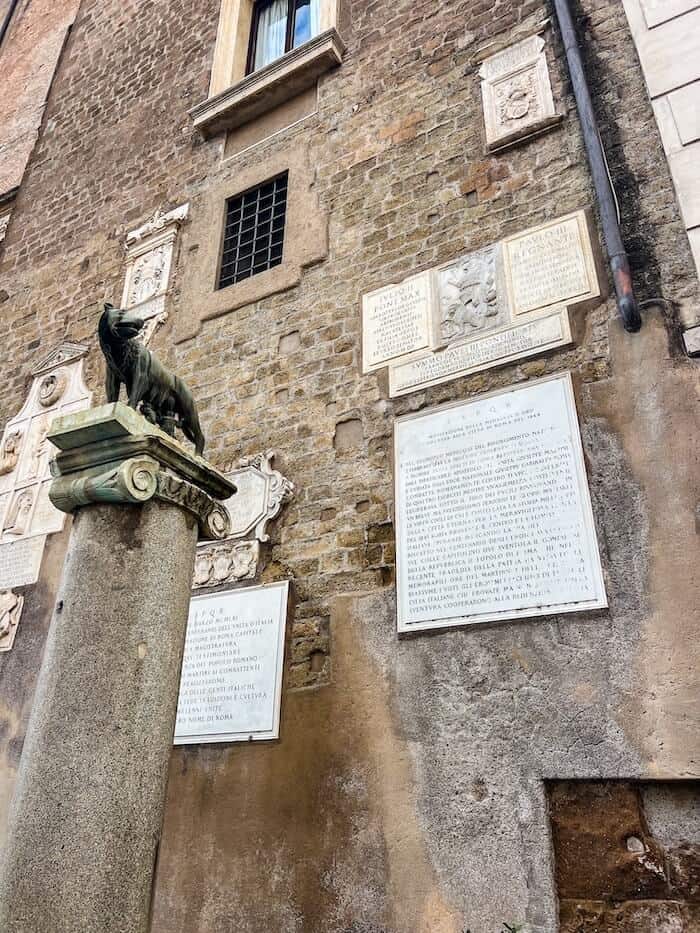
If you have more time, you can linger at any of the Capitoline Museums or plan to make a return trip during your time in the Eternal City.
We didn’t go inside, but they’re highly regarded for Renaissance art that includes the original Capitoline Wolf.
Stop 5: Piazza Navona
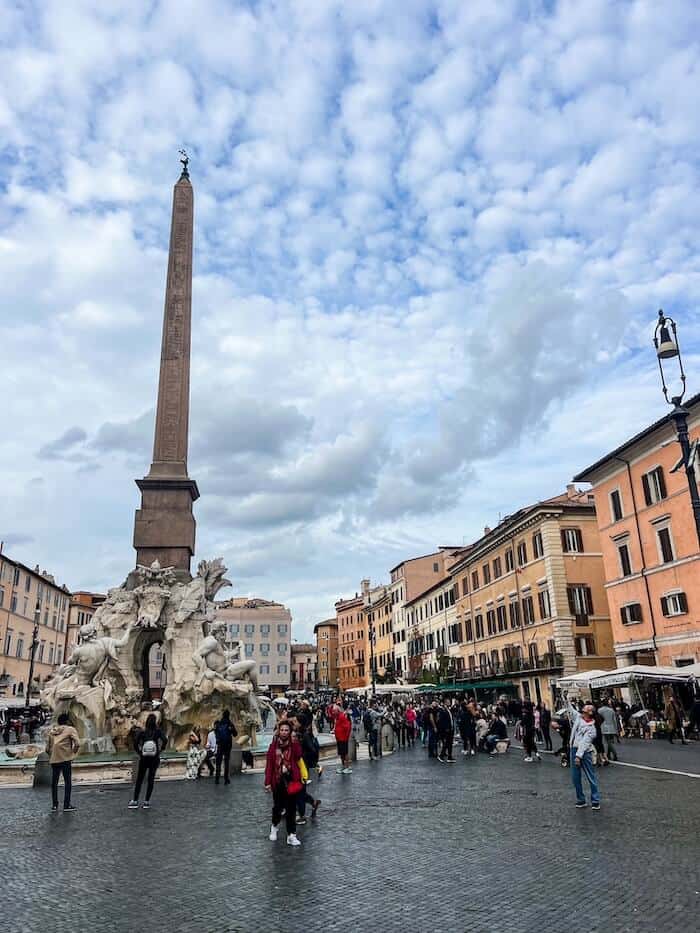
The Piazza Navona is known for the Fiumi Fountain, or Fontana dei Quattro Fiumi.
This 17th-century fountain is an homage to four major rivers across four different continents: the Nile, the Danube, the Ganges, and the Rio de la Plata.
This is also a popular stop for tourists who need a happy hour break. I’d suggest skipping it.
The prices were high even for the ubiquitous Aperol and the food at the eateries doesn’t get great reviews. You have better options in Rome!
Optional Stop 6: Sant’Agnese in Agone
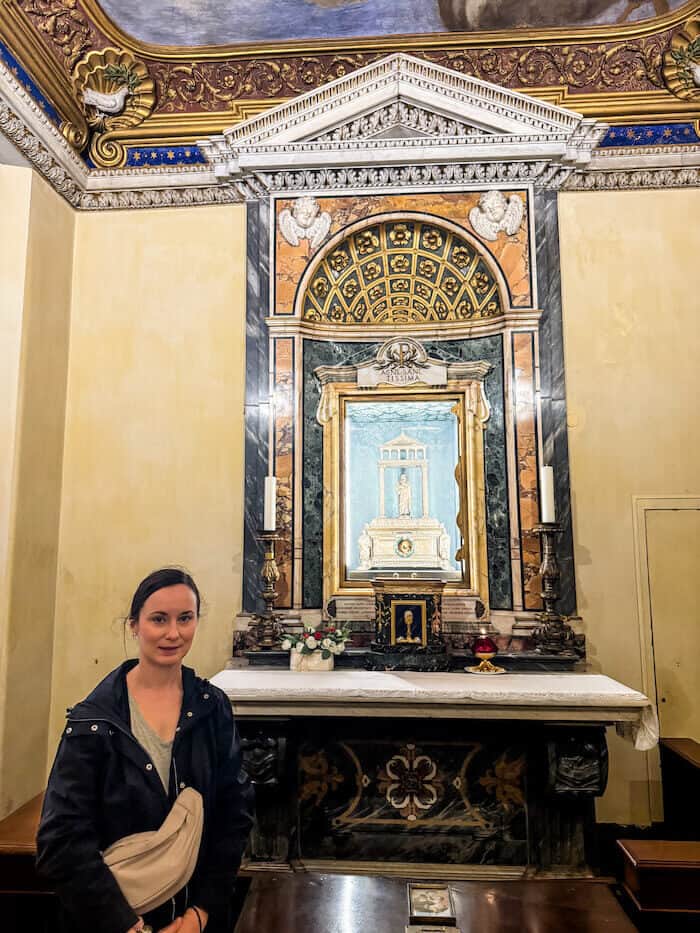
Before you leave Piazza Navona, visit my patron saint’s church. Much like other Italian cities, Rome has a lot of churches, but only one holds the skull of St. Agnes in a little side chapel.
Dark tourism is one of my favorite things, especially when there’s another Agnes involved.
Stop 7: Pantheon
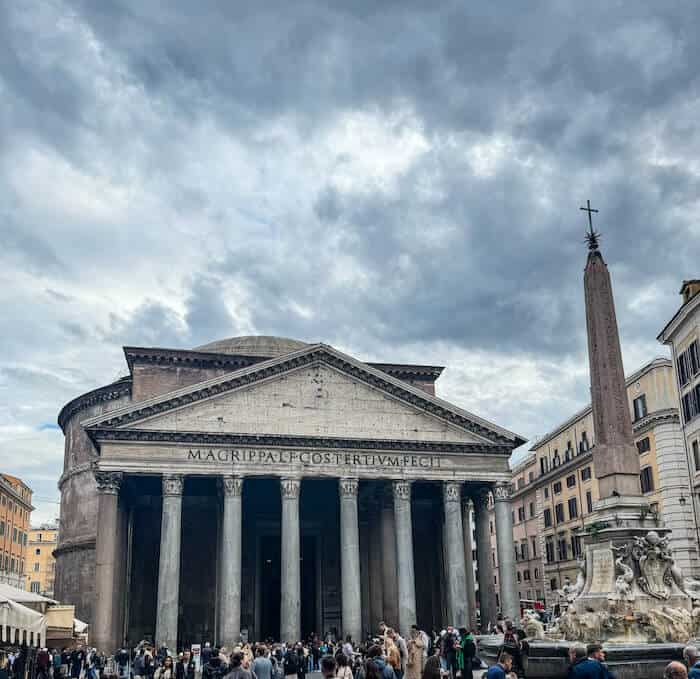
Pass by the busy Piazza Della Rotunda on the way to another big-ticket item, the Pantheon.
Visits here are no longer free, so book a timed ticket online so you don’t have to waste time upon arrival. If you fail to take that advice, you’ll likely have to wait in a super long line for tickets, even in the off-season. Just do it.
You’ll need to search for “Pantheon” and create an account at the link above.
You do NOT need a guided tour of this site. If you’re asked to pay anything over five euros, you’re on the wrong website.
Your time here likely won’t exceed 30 minutes. Enjoy the view of the domed ceiling above and marvel at the main altar. Visit the tombs of Raphael and Victor Emmanuel, the first king of Italy.
That’s it. That’s all she wrote on this one.
Stop 8: Gelateria Della Palma
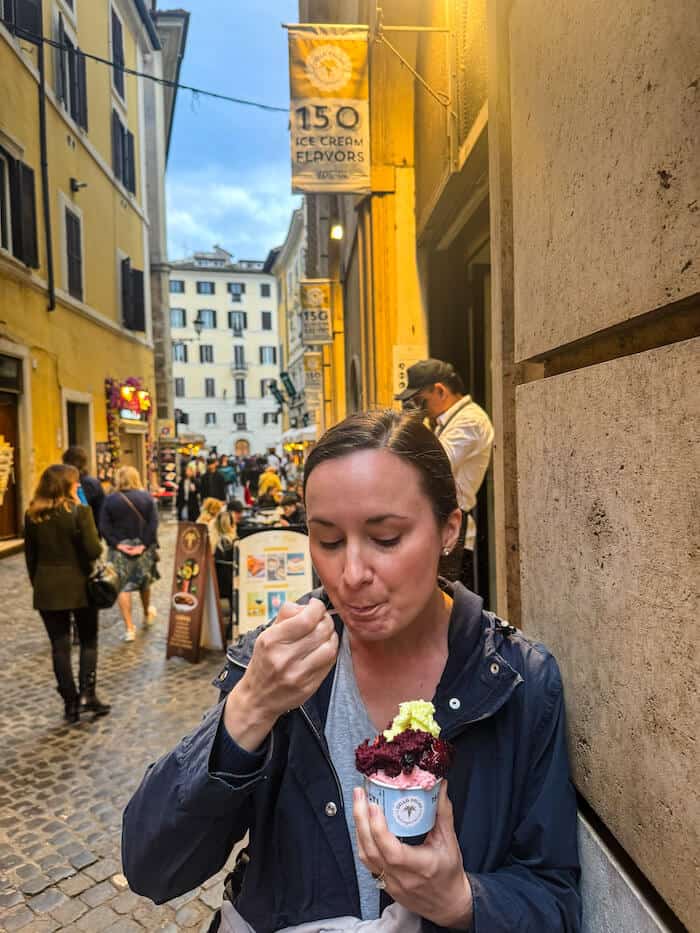
Dinner is coming soon enough, but they eat later in Italy. Maybe you’re used to that, but I definitely am not, despite time spent living in Europe.
I like to supplement between meals with local specialties, and in Italy, that often means gelato. Gelateria Della Palma was at the top of my list for Rome.
They have delicious gelato, frozen yogurt, and mousse, but the friendly gents behind the counter will likely dissuade you from anything that isn’t gelato.
I’m OK with it.
We got three small scoops each to try a few different flavors.
If you’d like to do some taste-testing while you’re here, I highly recommend it. Günther is another delicious option. We tried their location on the Piazza Sant’Eustachio.
They also serve up a good maritozzi.
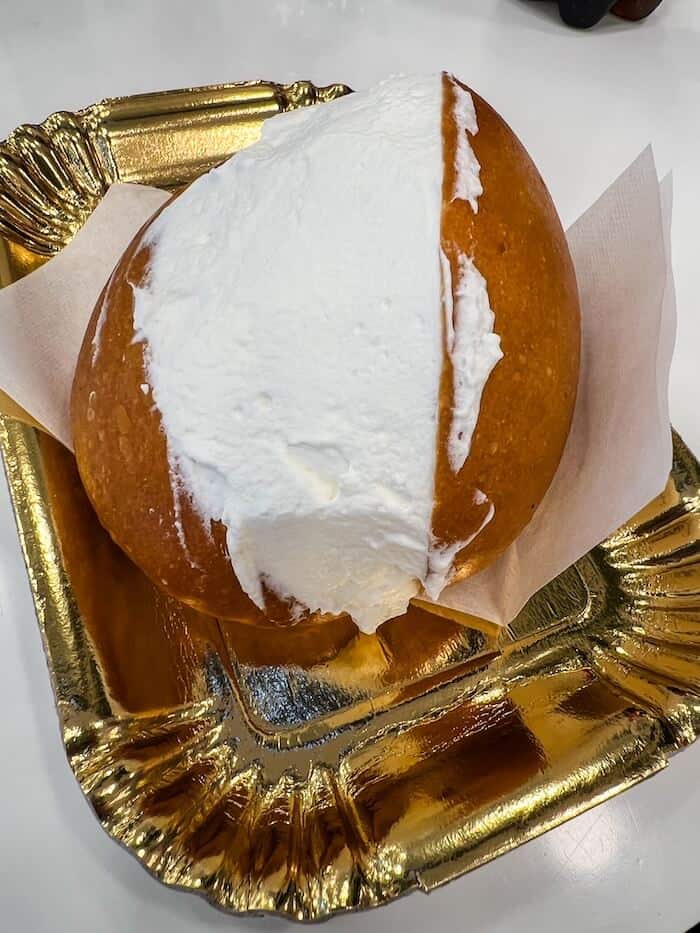
These cream poofs are whipped cream-filled brioche sandwiches. Brian wasn’t all that impressed because the cream wasn’t sweet enough for him. As someone who doesn’t love things too sweet, I enjoyed it.
Stop 9: Trevi Fountain
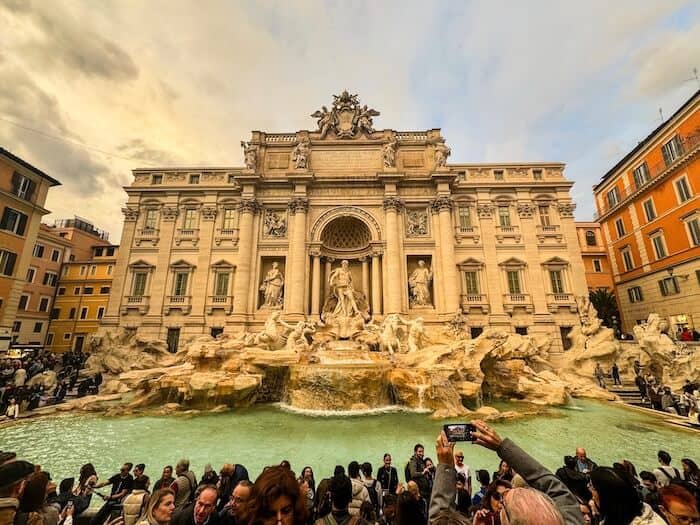
This stop is slammed with tourists most times of the day, so fit it in wherever you can. If you want glamour shots in the flowy dress you purchased for the occasion, visit at sunrise.
Honestly, you’ll still likely encounter others doing the same.
As it wasn’t my thing, I didn’t try very hard to make this happen with fewer people around, but that’s the beauty of Rome vacations. You can customize based on what your priorities are.
If you want to drop some coin, the hotel bar The View Trevi — RoofTop Lounge is a popular option. You’ll need to pay 25 euros a person to make it happen, but a drink and an app come with that in case that makes things better.
Fun fact: House wines at many eateries are around five euro. The above isn’t a deal, but you are paying for the added ambiance and view.
We were also able to see the fountain while it was turned off mid-renovation for the Jubilee festivities on a repeat trip. While it was a very different experience, it also wasn’t as crowded.
It was fun to see some of the sculptures up close on the catwalk they had set up, even if the water wasn’t running.
Stop 10: Spanish Steps
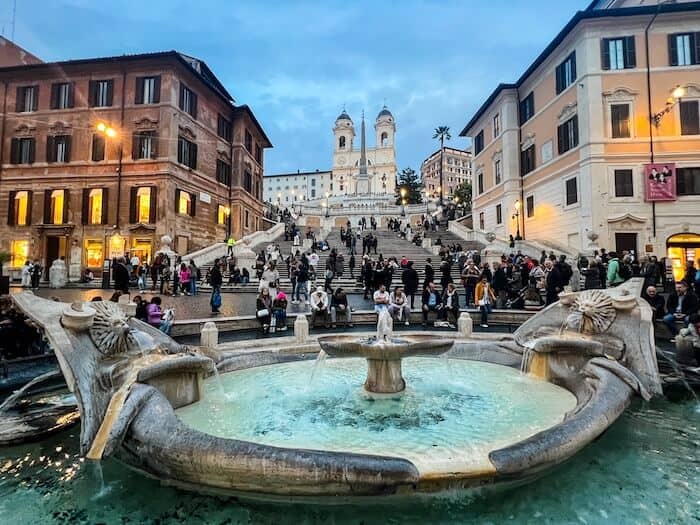
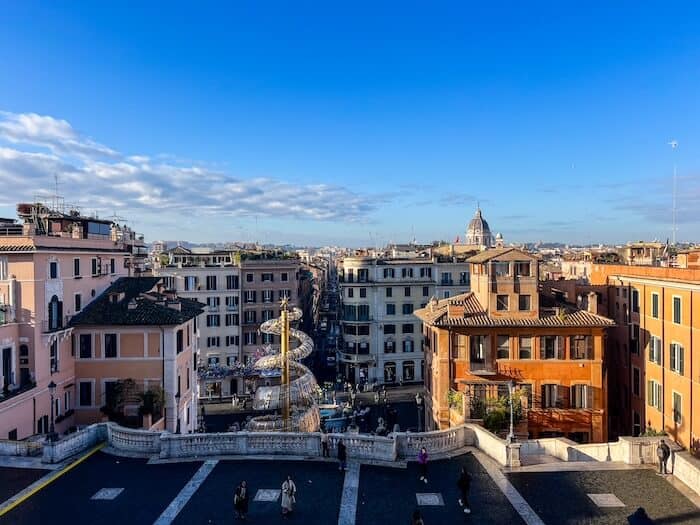
This stop will also be slammed this late in the day, but I can’t deny the Spanish Steps as one of the best evening activities in Rome as the sky starts to change colors.
Photos are a bit better from the very bottom behind the Fontana della Barcaccia.
The fountain itself boasts some historical heft. It was built by Pietro Bernini, the father of one of Italy’s most prolific artists, Gian Lorenzo Bernini.
Again, photos without tourists aren’t my priority. I like to tell it like it is. If you want fewer tourists in yours, plan to stop here after your sunrise shoot at the Trevi Fountain.
Stop 11: Dinner
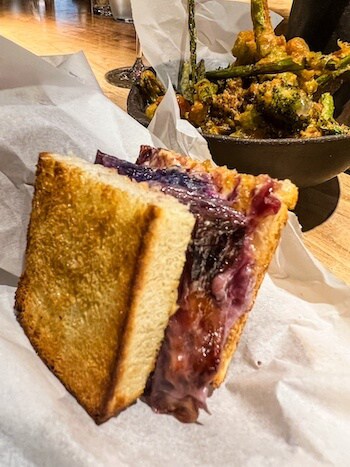
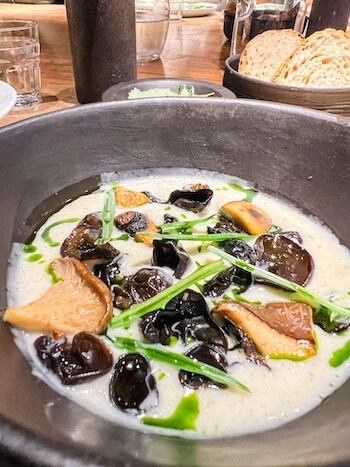
We had a fairly traditional Roman lunch on this day, so we wanted something a little more fun and modern for dinner. Retrobottega was a delicious option.
You have a choice between their multi-course sabotage menu, where they pick things to feed you, or you can choose your meal à la carte. We chose our own dishes and were mostly pleased.
The only weird thing was that they seemed to do what they wanted with what was listed on the menu.
For example, we ordered tempura Brussels sprouts as a side and got tempura broccoli and green beans, instead. I would have put up a fuss if they weren’t delicious, which they were.
My favorite part was these little sandwiches stuffed with crunchy cabbage. You’ll want to make a reservation if you don’t mind being flexible with your food.
For a more classic trattoria experience nearby, try Ristorante la Campana.
Three Days in Rome: Day 2
I told you I was going to hit it hard on this Rome itinerary. I bet you got lots of steps yesterday. Today isn’t any different. You only have three days to work with, and I’m here to show you how to use that time aggressively.
Grab a quick snack at your hotel, as we did, or pop by a cafe on the way to your first round of historical spots.
Stop 1: Baths of Caracalla
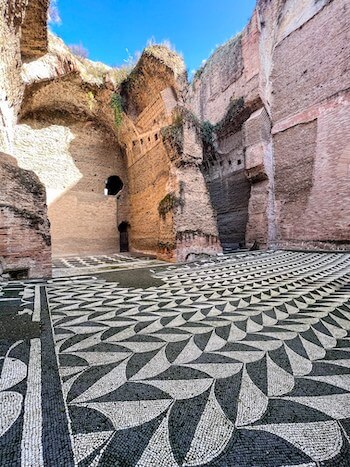
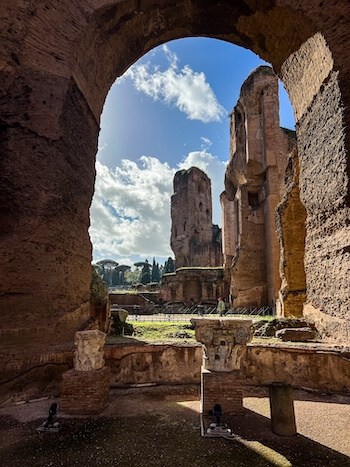
The Baths of Caracalla, or Terme di Caracalla, are ancient Roman public baths built by Emperor Caracalla in the 3rd century AD.
At one point, they could accommodate up to 1,600 bathers inside for not only soaking, but reading in the libraries and puttering around the gardens.
We had already been to Naples at this point. It was interesting to see some of the structures here that were once filled with statues and mosaics, currently housed at the National Archaeological Museum of Naples.
That includes the Farnese Hercules, or “resting” Hercules. I’m not a huge fan of Naples, either, but that museum (and the pizza!) is worth the trip.
READ MORE: I’m not kidding about the pizza. Read all about it in my guide to Naples.
We didn’t grab audio guides at the baths, but it is an option for an extra few euros. The signage was pretty good until the exterior ring, so if I could do it again, I’d pick up a set.
There’s no need to make reservations at this one. In fact, it was nice to enjoy a bit of solitude after the big attractions yesterday.
Alternative Stop 1: Domus Aurea
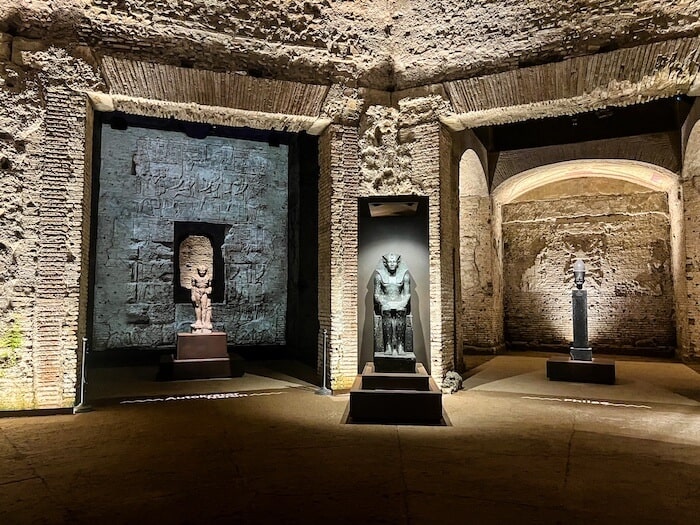
This archaeological site is closer to the historic center of Rome.
Visits here are by small guided tour only, so you need to make a booking to get inside and ensure that you book with the right language for you. Tickets are available online.
Domus Aurea means “Golden House.” At one time, it was a vast and opulent palace built by Emperor Nero.
Our guide was super engaging as she told us about this love letter to the goddess Isis and a palace that we could tell was quite spectacular back in the day.
The best part was a virtual reality experience at the end, where you get to see what the room you’re sitting in looked like in the time of Nero.
That very room was where the excavations on the site began when a group of artists happened upon the surrounding frescoes by accident. They thought they were in a grotto, but they were actually standing on top of filled-in dirt in the decades after Nero.
You’ll access Domus Aurea through the lovely Parco del Colle Oppio, which is a long way to describe this lovely green space in the city.
This is also a good one to fit in with the Colosseum if you want to move things around. The two are very close.
Alternative Stop 2: Basilica of San Clemente
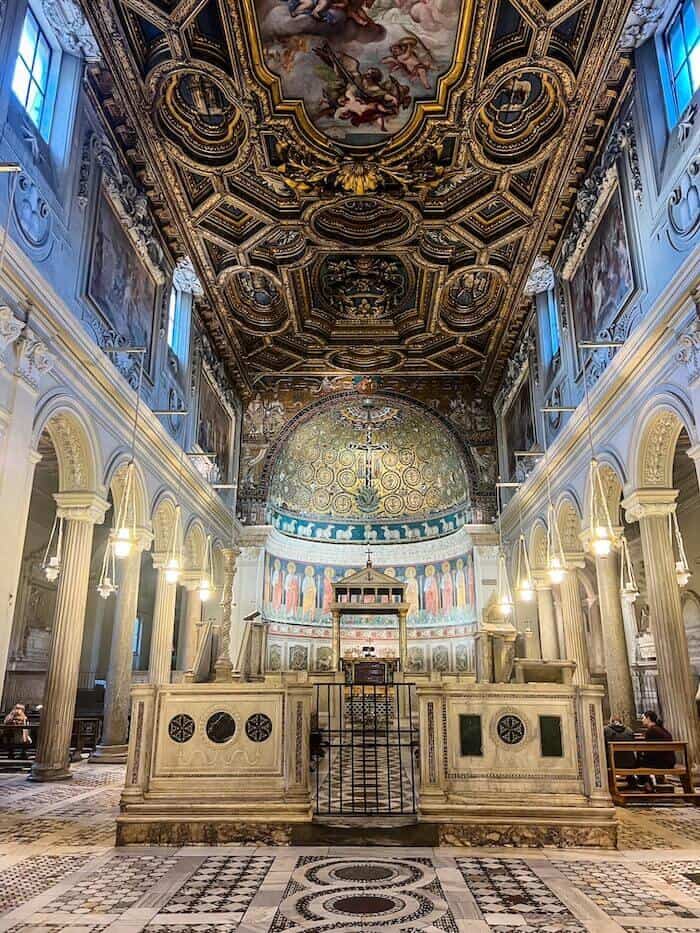
This church near the Domus Aurea is another interesting archaeological adventure.
Yes, it’s a church. It’s also a church built on top of another church that was built on top of a pagan temple.
I booked tickets ahead of time for this that were timed, but they seemed pretty breezy about walk-ins. We were let in well ahead of our ticket time.
The current church that sits here is free, but you’ll want to go down below.
Unfortunately, they don’t allow photos down there, so you’ll have to either Google around for those or go see it for yourself. I’m not that level of rule-breaker.
Stop 2: Giardino degli Arancini
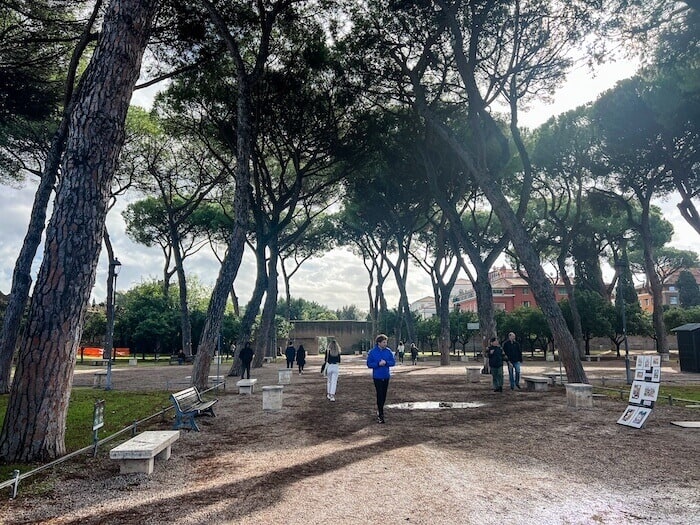
The Orange Trees Garden is part of Parco Savello. It’s a lovely escape at the top of Aventine Hill to what I assume are orange trees when they’re in season.
We were there in the fall, but I’m told they’re a winter-ripening fruit in Italy.
It’s still worth a trip, no matter when you’re here, for one of the best views of the city. The garden itself is a design by Raffaele De Vico.
It wasn’t a public park until 1932, thanks to some urban planning that brought it out from underneath the Dominican Order next door. That’s the Basilica of St. Sabina, or Basilica di Santa Sabina all’Aventino, you’re looking at, by the way.
Optional Stop 3: Mouth of Truth
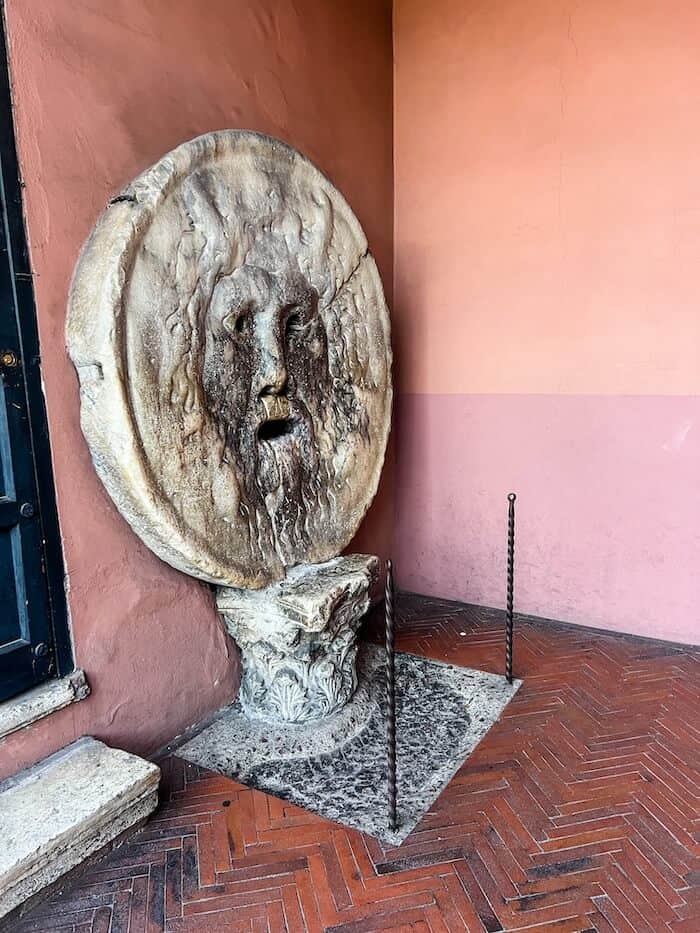
Apparently, this Roman marble mask bites the hand of those who lie and are silly enough to wait an hour to see if that happens.
Here’s the deal. You’re here for things to do in Rome in just three days. That isn’t a ton of time to spend at sites that are much more significant than this.
That said, who am I to say what your priorities should be? I know I’m not waiting an hour to stick my hand in there. I don’t want the truth that badly.
You can also walk past the people and take a pic from the side like a boss and continue your life of lies.
Optional Stop 4: Knights of Malta Keyhole
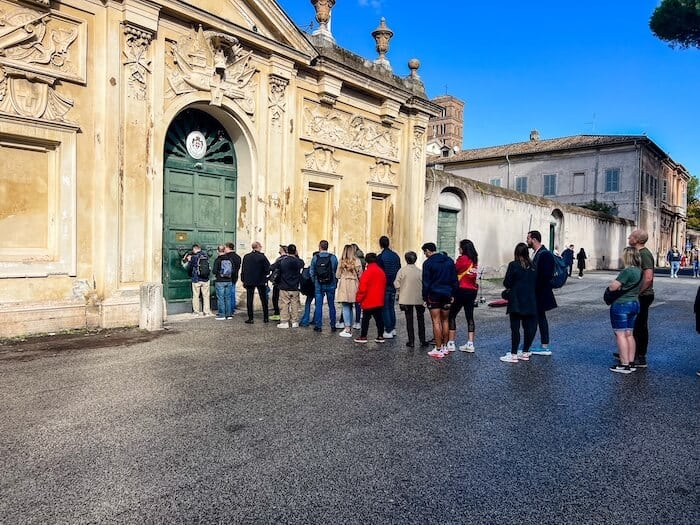
This photo stop was an even worse line than the Mouth of Truth because once folks got up there, they had to figure out ideal photo conditions for that keyhole effect.
I didn’t wait. There was pasta to eat, and waiting in line to take a photo was not high on my priority list, especially in Rome.
Note: Google the images and judge this one for yourself, keeping in mind that each person in that line will be at the keyhole for several minutes for that perfect shot. It’s a longer wait than you might think.
Stop 5: Testaccio Market
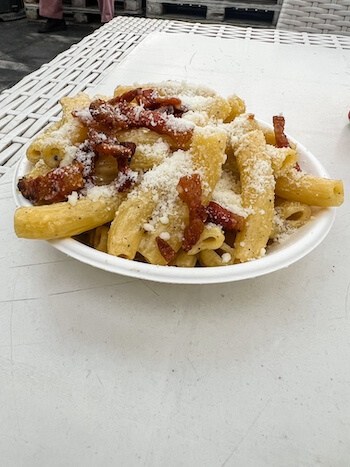
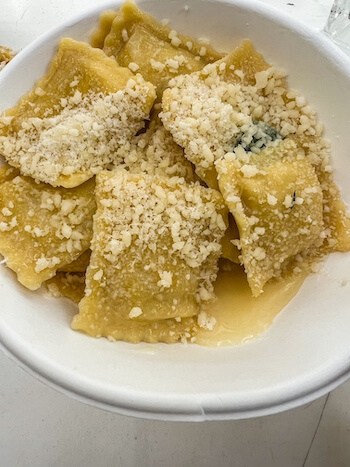
This community market is a popular shopping spot for locals and a food stop for tourists. It’s also a good option for an earlier lunch if nothing else is open.
We arrived just after 11:30am and chowed down on some fresh ravioli and carbonara.
If you want to make yourself a picnic for later, you can pick up fresh produce, butcher items, and cheeses while you’re here. I love that for you.
If you’re sad you haven’t had an Italian sandwich yet, our favorite in Rome was La Baguetteria Del Valle.
It’s a great spot for takeout sandwiches when it’s too early to eat, but you’re not sure about your next meal. Get one with Parma ham for the full effect.
Stop 6: Pyramid of Caius Cestius
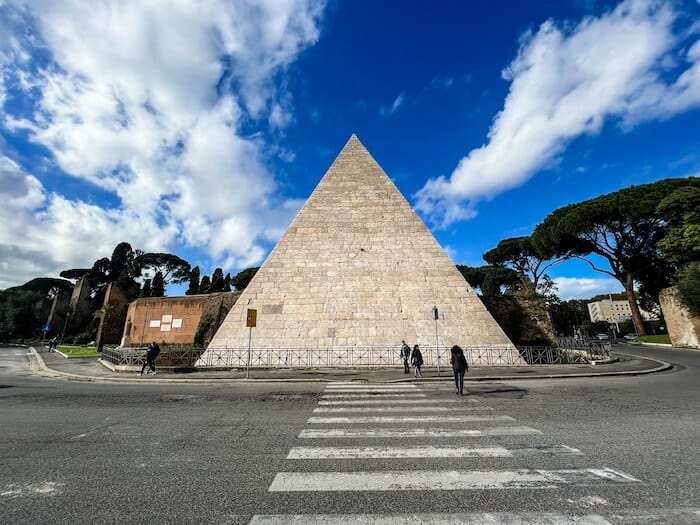
This is a quick photo stop to see an exercise in vanity. The ancient Roman pyramid is a tomb for Caius Cestius, a local rich guy who loved Egypt and himself. You can walk the grounds around the pyramid before you move on.
Interior tours are limited to a few mornings per month and by appointment only.
Stop 7: Borghese Gallery and Museum
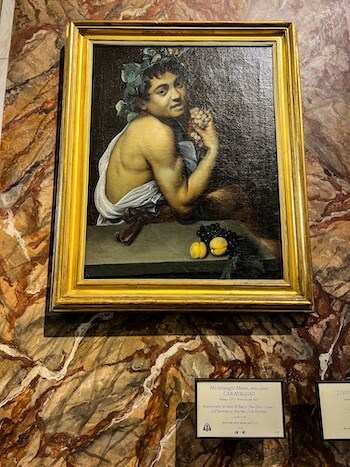
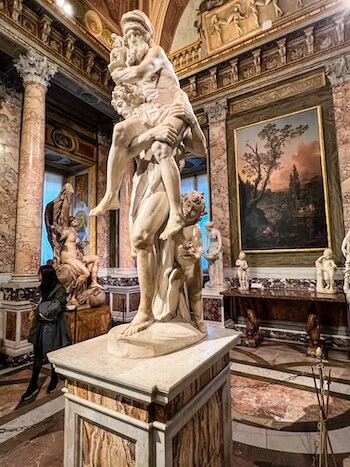
This is one of the most popular cultural sites in Rome. As such, you’ll need to book a visit to the gallery well in advance if you want your choice of tickets.
It was sold out during our trip in the off-season, about 10 days out. As the FOMO hit me for real, I made the mistake of purchasing overpriced “skip the line” tickets online to get in anyway.
There’s no guided tour with these tickets. They’re just tickets that were scooped up by online ticketing sites so that they’d show as “sold out” on the regular museum website.
Can you tell I’m bitter about this?
This is the last time I’m doing this sort of thing. If I could replay the whole scene again, I’d just skip it and call it a loss. It would have been a reason to come back to a city that has a lot to offer, despite what I’ve said about my preferences for other Italian cities.
We were also a few days early for a special Rubens exhibit, which meant that the main hall was inaccessible.
I’m talking about the main hall, which is the highlight of many tourists’ visits to the gallery.
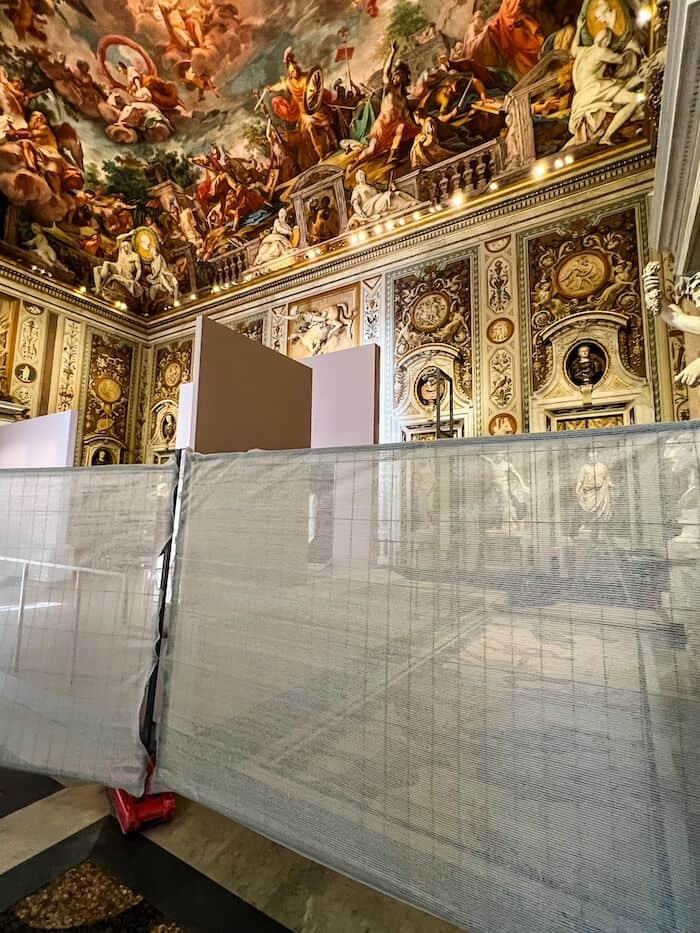
The majority of the art from Peter Paul Rubens was covered in paper in preparation for that event.
This is art that is usually part of the gallery’s permanent collection.
We walked through the gallery twice because we felt like we couldn’t have possibly paid so much for what was on display that day. I felt duped.
I’m not telling you not to pay regular admission. Do that if you know there aren’t any exhibition closures and you’re able to book regularly-priced tickets. I would NOT pay any extra for this museum.
It perpetuates the scam and makes these places inaccessible for those who can’t afford the upcharge.
A highlight of the experience was hanging out in the lovely Villa Borghese gardens outside. We spent some time there waiting for our ticket time before we knew what nonsense was ahead of us.
Alternative Stop 7: Doria Pamphili Gallery
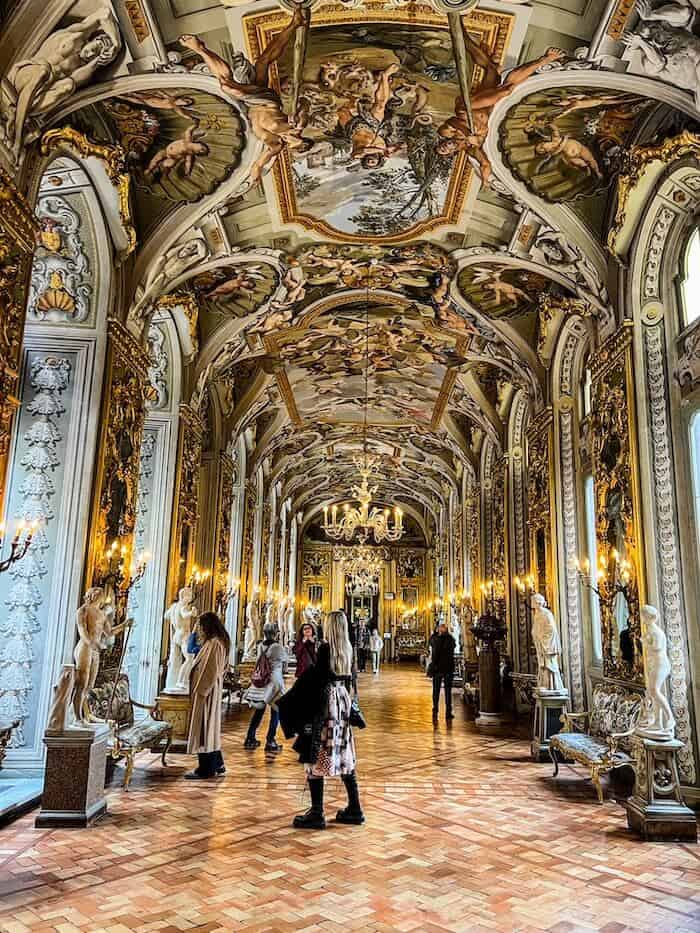
As so much of the Borghese Gallery and Museum was closed during our visit, we were more impressed by this art gallery.
Grab a headset at the entrance to hear about the opulent rooms you’ll be stepping into. You can spend quite a bit of time listening to the history of the art, but we focused on the highlighted in red bits for an overview. You can still spend over an hour in here.
We had no issue walking up for tickets in November, but it may be worth a look online if you’re here in the summer.
There is a one-euro surcharge on purchases made online, but I’d say that’s worth it if you’re here in the high season.
Stop 8: Terrace Views & Apertivo
Kill some time before dinner by relaxing a bit for a change. Here are a few popular spots for resting those legs or grabbing an apertivo:
- Janiculum Hill: Enjoy panoramic views on this hilltop terrace. While there, you’ll have easy access to Manfredi Lighthouse, or Faro di Roma.
- Oro Bistrot: This rooftop bar serves up some pricey grub, but you can also just come by for a cocktail.
- Terrazza del Pincio: This is a popular spot at sunrise and sunset, but more so at sunset for obvious reasons. (Sunrise is early.)
Stop 9: Dinner
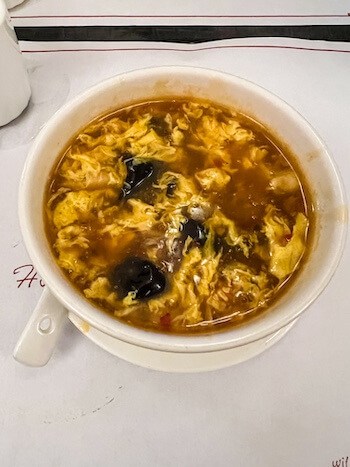
Sometimes you feel like some hot and sour soup, so you find the best-rated Chinese spot near your pad and make it happen.
That was the Restaurant Chinese Huaweiju for us. The soup was the star at this busy place run by a pair of Chinese women. It was super budget-friendly with fast service until it was time for dessert.
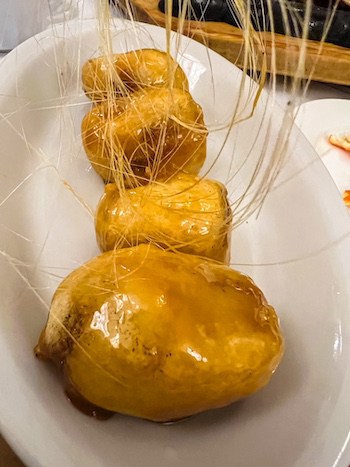
That’s only because we ordered some kind of caramel banana concoction that involved spun sugar and an artist’s touch.
If you’re all, “But I’m in Italy!” I totally get it.
Ristorante Feelsgood is a fun, cheap option for generous helpings of pasta and friendly service. If you’re near the train station, the Mercato Centrale is a busy hub of food from all over the alphabet.
I’m being literal here. They have an A-Z theme going on. You’ll have plenty of options for Italian cuisine, but vegetarians will be pleased by the offerings, too.
This would also be a great evening to pop in on an evening food tour of some of Rome’s best eats. City food tours are generally one of my favorite ways to get to know a city.
Here are a few highly-rated options:
Three Days in Rome: Day 3
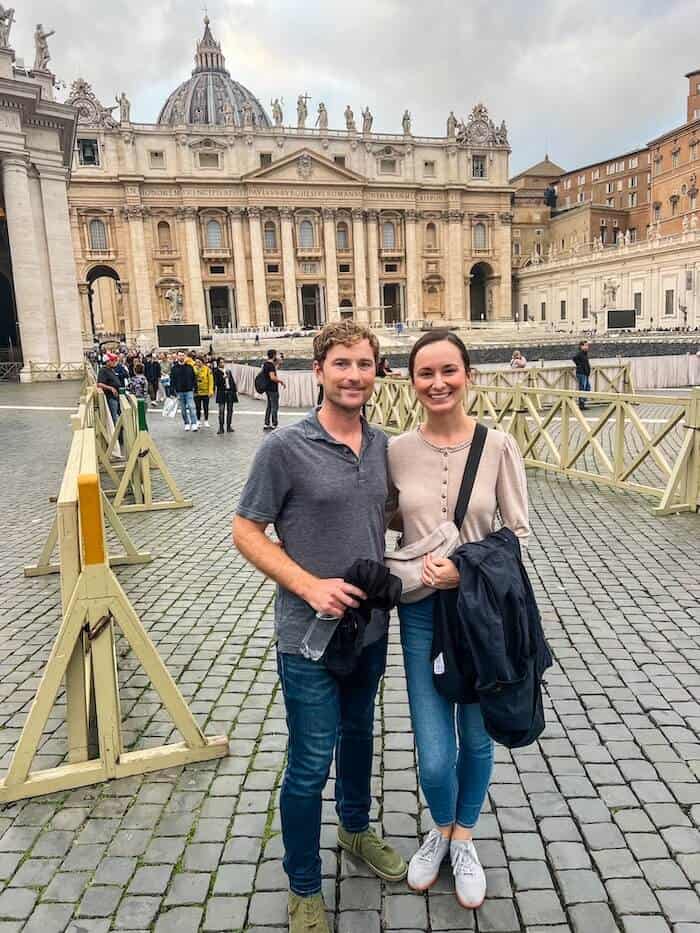
You’re ending your trip in Vatican City. Yes, it counts as a separate country, so tick that off your list.
I have a full guide to spending a day in Vatican City, but here are the highlights to work into your final day in Rome:
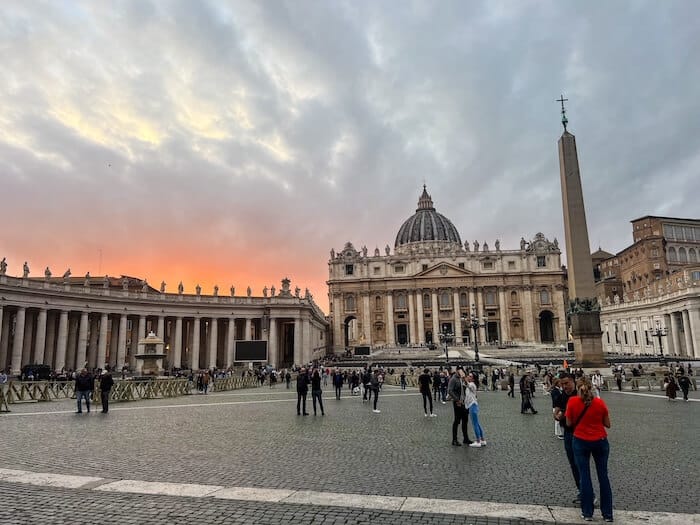
- St. Peter’s Square: Start here for your photo of the basilica before the crowds thicken. Grab a coffee at Trecaffè nearby, but avoid the cafe across from the museums, which has the reviews it deserves.
- Vatican Museums: Book tickets in advance, and try to get the first slot of the day. Don’t just march straight to the Sistine Chapel. Some of the side rooms early on are genuinely special. Read my full guide for what not to miss along the way.
- The Sistine Chapel: You’ll see signs for it for what seems like miles. Keep on going. You may/may not be almost there. It’s stunning, but you can’t take photos. Security will remind you of this constantly.
- Castel Sant’Angelo: This stop is worth it for the panoramic views from the top alone. You’ll see the Tiber from here and the entirety of the Ponte Vittorio Emanuele II. The former mausoleum’s history is a nice bonus on the climb up.
- St. Peter’s Basilica: Go later in the afternoon to avoid the worst of the lines. If climbing the dome is on your list, sort those tickets first. There’s no advance booking, and they do sell out.
For dinner, Trastevere is my recommendation if you haven’t seen the neighborhood yet. It’s the most charming part of Rome and worth a wander even before you sit down to eat. Osteria Nannarella is a reliable pick there.
If you’d rather stay close to Vatican City, Prati is a solid, less-touristy neighborhood with plenty of good dinner options right on your doorstep. We really liked Il Segreto.
More Things to Do in Rome
You’ll inevitably run out of time in Rome if you’re just here for three days. Despite my personal feelings about the city, I’d still come back. There’s just so much to see here when it comes to Roman art, history, and food.
Here are a few more Rome tourist attractions for you to peruse with more time in the city:
- Visit the city’s catacombs. The Catacombs of St. Callixtus are considered by most to be the most impressive.
- Make the pilgrimage to Scala Santa. The steps you’ll see inside are what Jesus Christ purportedly climbed on the way to his crucifixion.
- Visit the Basilica di San Giovanni in Laterano. This is the pope’s official seat and the mother church of the diocese of Rome.
- Go underneath the Trevi Fountain. Ditch the selfie sticks at Vicus Caprarius, an archaeological site beneath the famous fountain.
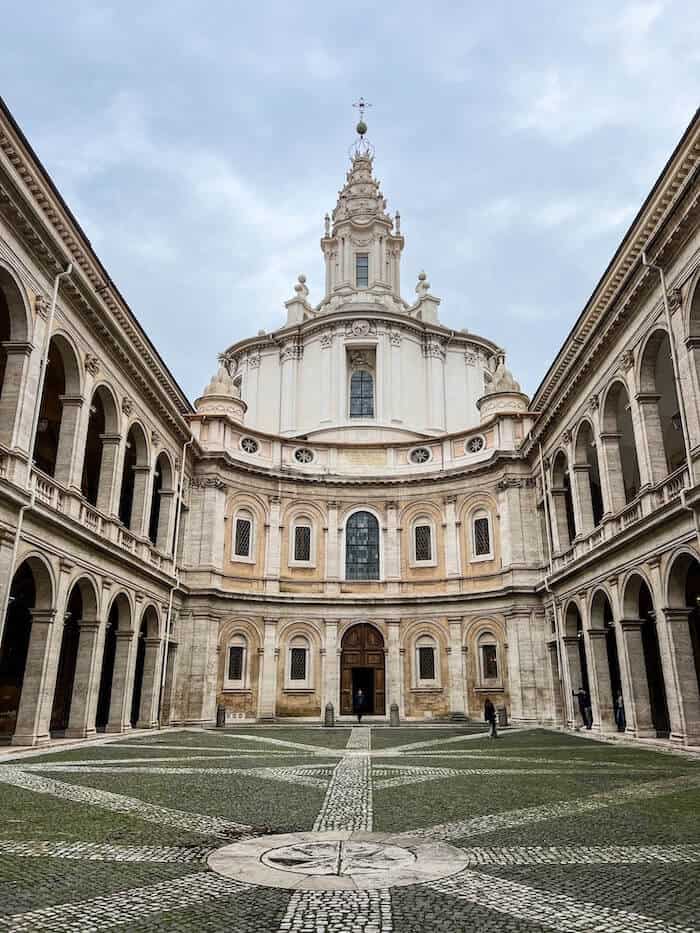
- Tour St. Ivo alla Sapienza, but only on Sundays. We were lucky enough to see this beautiful church. The courtyard was the best part.
- Cycle on the Appian Way. The weather was a bit blustery on our trip to Rome, but these bike tours look like a great way to experience ancient Rome.
- Learn something new at the National Roman Museum. The focus here is on the early history of Rome.
- Live history through virtual reality at the Circo Maximo Experience. This looks like a fun thing to do with families in Rome.
- See the gilded ceiling of the Basilica Papale di Santa Maria Maggiore. This large, imposing church sits near the main train station.
- Walk the Art Deco Galleria Sciarra. I was excited to stroll this walkway, but it was closed when we passed by. The point is, Google lies. Maybe you’ll be luckier.
- Take a day trip. We went to Naples twice, Pompeii, and Herculaneum during our week in Rome. Rome is an excellent base for day trips if you’re here for longer.
For those with even more time on their Italy vacations, trips to Bologna and connections to Florence and other Tuscan towns are all possible from Rome.
Italy is quite well-connected for longer vacations.
Is it worth buying a Roma Pass for a short trip?
If you only have three days, a Roma Pass can help skip lines at a couple of big attractions and cover public transport.
But if you’re mainly hitting the Colosseum, Vatican, and a few museums, booking tickets online ahead of time might be simpler and cheaper. It’s worth weighing how much you’ll actually use it.
What’s the best time of year to visit Rome?
The sweet spot for visiting Rome is spring (April–June) or fall (September–October). The weather is pleasant, the crowds aren’t as intense as summer, and you’ll get gorgeous light for photos.
Summer is hot and packed, while winter is quieter but can feel chilly and rainy.
Is Rome Safe?
Rome is generally safe, but like any big city with lots of tourists, you’ll want to stay aware of your surroundings. Pickpockets are a real thing, especially around major attractions and crowded areas, so keep an eye on your stuff.
Some neighborhoods might feel sketchy if you’re on your own, like the area around the main train station. Avoid poorly lit or deserted streets at night. Otherwise, most of the city is safe to explore solo.
Where to Stay in Rome
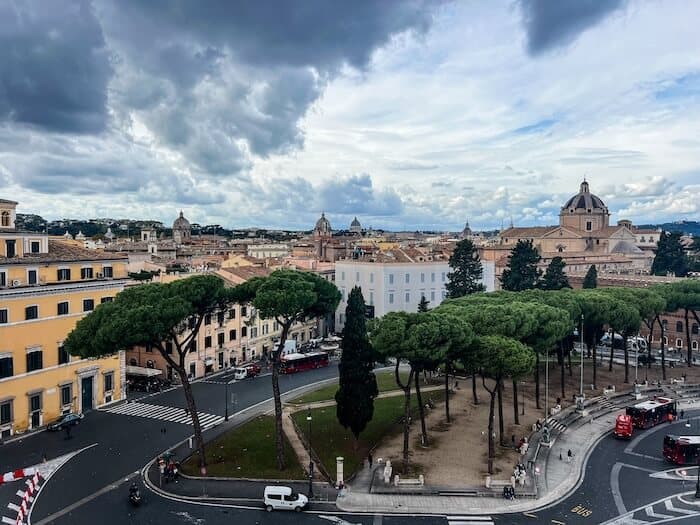
The historic center, close to Piazza Navona, is the best area to stay if you’re in Rome for the first time.
Accommodations are more expensive closer to the main tourist attractions, but you’ll save time and energy traveling to and from what is likely on your Rome itinerary.
We spent a full week at the Sixtythree Guesthouse, and I’m only including it here so you don’t make the same mistake. It was a fraction of the cost of anything else for our last-minute Rome trip, so I was swayed by that.
The beds were some of the most uncomfortable I’ve ever experienced, a big deal when you’ve been an aggressive tourist all day and need a good night’s sleep.
There was no one there to greet us and let us in, despite confirming online that there would be.
They make you do this if you arrive after 6pm. We were there at 7pm, but again, confirmed ahead of time.
It’s a good thing we had data and WhatsApp to contact someone. Otherwise, we would have been screwed.
The walls were thin, amplifying any hacking coming from the old man next door. The toilet made an animalistic sound whenever flushed. The heated towel rack would have been a nice feature if it worked.
No one was ever around to replenish basic stuff like soap and shampoo. The spotty WiFi was exactly that. It wouldn’t even work to mirror on the available TV during the poor guy’s demo at check-in.
The only pro is that it’s close to the train station if you’re here for a quick trip on the way elsewhere. For longer stays, I’d rather be elsewhere and just walk further to the train.
The neighborhood around the train station isn’t the best, either. It’s become somewhat of a homeless encampment. That isn’t necessarily dangerous, but that does mean watching where you step to avoid human excrement. I’m being literal here.
The good news is you have better options when it comes to hotels and apartments in Rome. We stayed closer to the Vatican on a repeat trip, and while it was more aesthetically pleasing, it still involved quite a bit of public transit use.
Use the map below to find the best fit for yourself:
Rome will always be worth visiting.
Despite any of the criticisms I’ve lobbed in this post, Rome will always be one of the most historically significant cities in the world.
As such, it’s worth your time. It’ll always be worth your time, especially when you’re introducing yourself to what’s so great (and delicious!) about Italy.
Give yourself three days in Rome to see the biggest attractions, with the understanding that you’ll always need more time here. More time means you’ll get to see the main sites and dig into places I’ve mentioned throughout with fewer tourists.
Despite our multiple, even lengthy visits to Rome, I bet I’ll be back. This city just pulls people in. I’ll allow it.
Want more Italian adventures? Check out these guides:
- How to Plan a Trip to the Leaning Tower
- A Detailed Guide to the Venetian Islands
- A Detailed Guide to the Best of Verona
- Should You Plan a Trip to Venice, Italy?
- How to Spend Three Days in Venice
I’m not done yet! Here are a few more guides in and around Italy:
- A Guide to the Best of Burano, Italy
- How to Plan a First-Time Trip to Poland
- Why Warsaw Is Always Worth a Visit
- Make a Holiday Trip to Frankfurt, Germany
- What to Do in Antibes on the French Riviera

Want to see more?
Subscribe to my biweekly newsletter for hot travel tips I come across, weird stories you won’t see elsewhere and perhaps lifelong friendship.
Too much, or just enough?
