
We spent four full days in Bogotá, Colombia, and were left wanting an extended stay. It’s just one of those places that rewards those with more time for it.
Is Bogotá worth visiting when there’s so much else to do across Colombia, though? I’m here to tell you not to ignore this city no matter what preconceived notions you have about the place.
Bogotá is the best city to visit in Colombia if you love to eat your way through South American capitals in an affordable way and like things a little cooler. By that last bit, I’m talking about the temps and its level of hipness.
Quick Tips for Your Bogotá Visit
Your Flight: Fly into Bogotá’s El Dorado International Airport. Find deals into the city using Skyscanner. Love deals? Subscribe to Going.
Your Accommodations: We stayed at the GHL Hotel Hamilton during our trip to Bogotá and very much enjoyed it. Browse Booking.com or Hotels.com for more options. Vrbo is my Airbnb alternative.
Top Spots: See the funny art at the Botero Museum, climb to the top of Monserrate, and explore outside of the historic center in Chapinero, Usaquén, or Zona Rosa.
Disclosure: Travel on the Reg uses affiliate links to keep things running around here. At no additional cost to you, I earn a lil’ commission if you make a purchase. Any income earned supports the upkeep of this site. I appreciate you!
Is Bogotá worth visiting?
Bogotá is worth visiting for its delicious food scene, impressive museums and architecture, and vibrant street art. It’s also affordable and an excellent base for additional travel throughout Colombia.
It’s the Colombian capital.
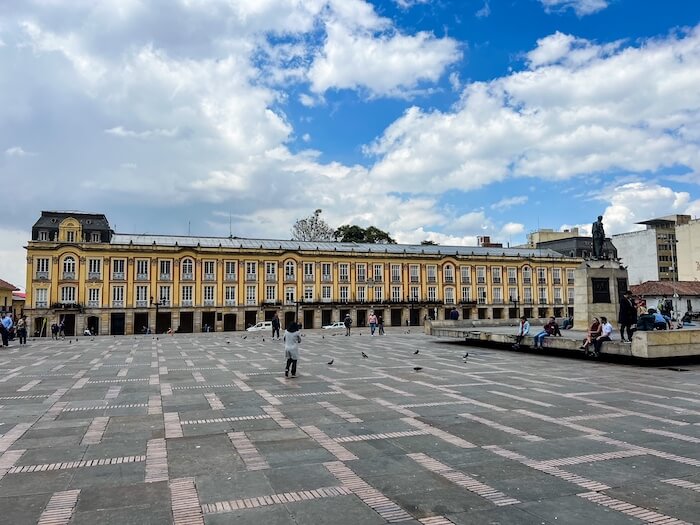
If you’re ticking off capitals for whatever reasons, that’s reason enough to make a trip to Bogotá happen.
Fun fact: Bogotá’s elevation makes it the third-highest capital city in South America after Quito and La Paz.
Bogotá is also one of the largest cities in the world with the largest number of universities and research centers in Colombia. It deserves quite a bit of kudos.
Traveling in Bogotá doesn’t feel touristy.
Colombia isn’t some off-the-beaten-path destination in Latin America. It’s well-traveled as a whole, especially as you get closer to the coast.
That said, Bogotá never feels that touristy, especially when you compare it to Cartagena. That’s one of the top reasons why I think Bogotá is the best place to visit in Colombia.
Note: There are certainly tchotchke shops in the historic center, but you’ll barter alongside Spanish-speaking tourists and locals looking for a good deal.
You won’t be upsold at eateries just because you’re a tourist. Any tours you book from Bogotá are well-priced and thorough. You just can’t say that about some of the more popular South American destinations.
The Colombian city is cheap to visit.
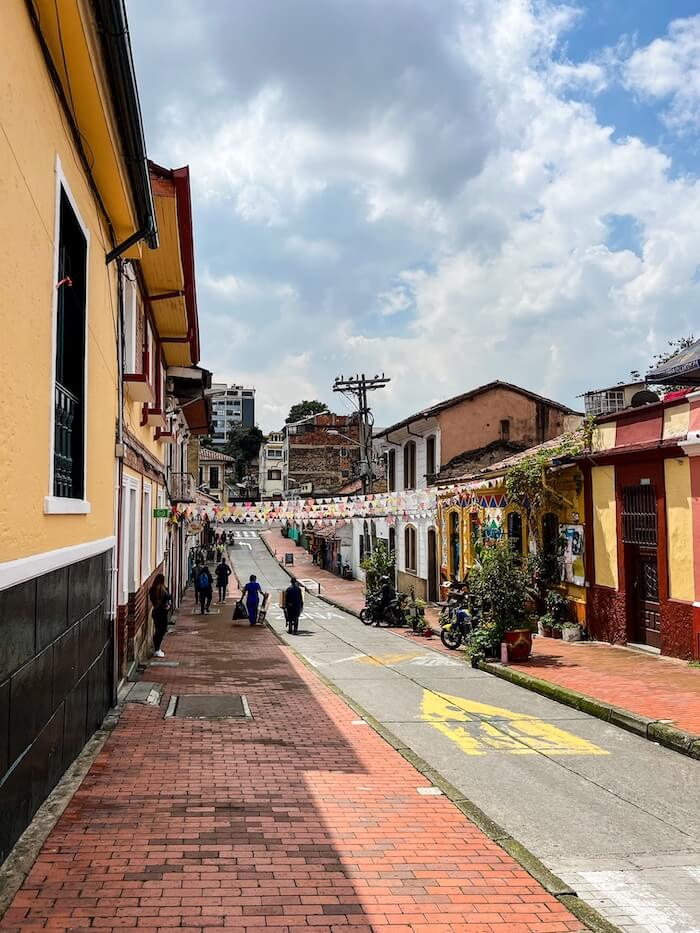
Bogotá is not expensive to visit compared to other major cities in South America. It’s not even expensive to visit compared to other major cities in Colombia.
It’s definitely cheaper to visit than the more touristy Cartagena. I haven’t been to Medellin so won’t dive into the Bogotá vs. Medellin debate, but from what I’ve read, it’s less expensive to visit Bogotá.
Note: If you’re looking for cheap flights, there are frequent cheap flights from major American hubs into Bogotá throughout the year.
This is especially true if you’re able to watch flights for a bit or book last-minute using a deal-hunting site like Going. That’s how we booked our flights to Bogotá from Chicago.
Bogotá’s elevation means there’s never a bad time to go.
Bogotá sits at an elevation of 8,660 feet. That means it has a relatively cool climate year-round.
While December, January, and February are best if you’re looking for dry days, there really isn’t a bad time for travel in Bogotá.
Just pack your rain gear no matter when you go and you should be fine. We didn’t encounter one drop of rain during our trip in January, but again, that’s when rain is least likely.
April and May are generally the wettest months if you’d like to plan around ideal circumstances. Precipitation drops quite a bit by June, July, and August.
The city has great street art.
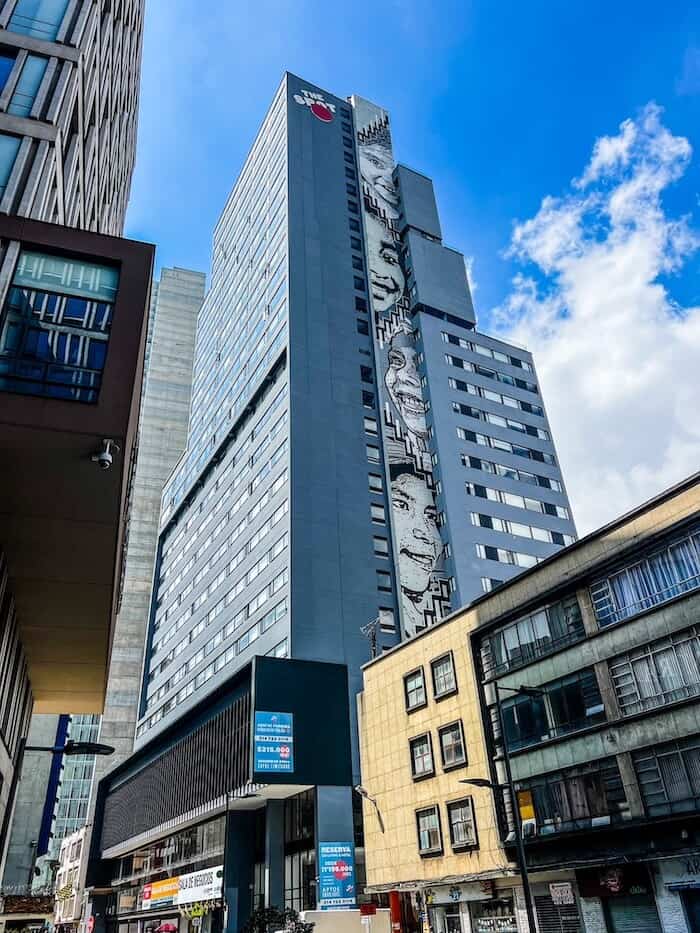
One of our favorite walking tours was the Original Bogotá Graffiti Tour. It’s completely free and offers an extensive look at the city’s street art from a historical, at times political, perspective.
You may not appreciate Bogotá’s street art as much without it as the city can come off as quite gritty, so I highly recommend prioritizing this one for a different outlook.
I wrote up a full review of our tour experience if you’d like to take a look.
Bogotá’s food scene is the best in Colombia.
Colombian food is delicious. Bogotá certainly has plenty of the traditional stuff if that’s what you’re after. Start at La Puerta Falsa if you don’t mind a line. The casual, compact eatery has been serving up enormous tamales and Aijaco soups for centuries.
Bogotá is also fantastic for foodies who love variety. We loved Madre for its artisanal pizzas and entree salads to share, Mini Mal for Colombian fusion, and WOK when only noodles would do.
No matter what you have a hankering for, Bogotá has options.
Bogotá’s architecture is impressive.

Bogotá’s architecture blends colonial charm with modern innovation. The historic La Candelaria district is all colonial houses and cobblestone streets, but it’s the city’s contemporary skyscrapers that shape the city’s skyline.
This architectural diversity reflects the city’s evolving identity. Start at Plaza Bolivar if you want to visit the city’s main gathering space while you’re at it.
Just watch your head. The pigeons there are WILD.
There’s a museum where everything is fat.
If you only have time for one museum on your Bogotá trip, make it the Botero Museum, or Museo Botero. Many of the big names like Picasso and Monet are represented here, but you’re here for the fat works of Fernando Botero.
I’m not calling him fat, as I honestly couldn’t tell you about his build. (A self-portrait suggests that he liked picturing himself portly at the very least.)
I’m talking about his art.
He paints a little bit of everything, but it’s all fat. I’m talking fat bananas and fat military personnel and a fat Mona Lisa.
It’s one of my favorite museums anywhere.
Bogotá’s other museums are great, too.
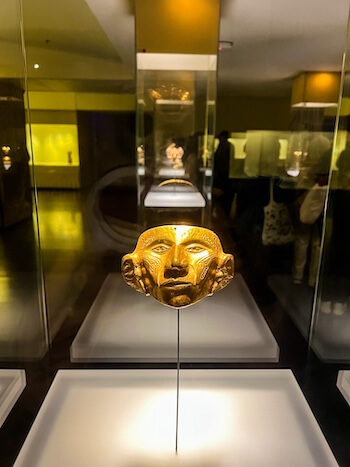
Now that you’ve had yourself a good chuckle at the Botero Museum, you can explore the rest of the city’s impressive museum scene.
I’d skip the Museo Santa Clara because it seemed like they scammed us — I get into some in my three-day itinerary — but here were our favorites:
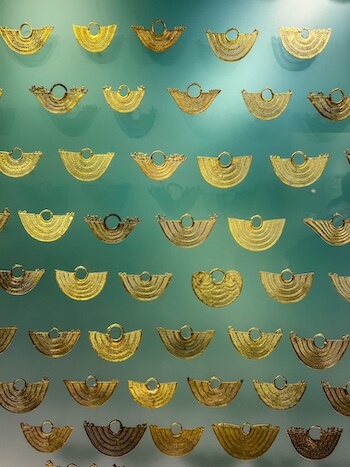
- Gold Museum: Learn about the city’s love connection with gold as something of value both monetarily and spiritually at the Museo del Oro.
- Museo de Arte Miguel Urrutia (MAMU): See more of the quirkier side of the city’s art scene at this museum dedicated to regional artists.
- Palacio Museo Histórico de la Policía Nacional: I don’t usually love visiting police museums, but there’s a weird exhibit dedicated to Pablo Escobar at this one.
Bogotá is even more impressive outside the historic center.
La Candelaria is where most travel in Bogotá begins. That makes sense. It’s where you’ll find the city’s top museums and meet most tour guides for your free walking tours.
You may not be that thrilled about Bogotá travel if that’s all you do, though.
Neighborhoods like Chapinero, Usaquén, and Zona Rosa are really where the city starts to show off. That’s where you’ll find the city’s best eateries, nightlife, and breweries.
It only gets better with more time.
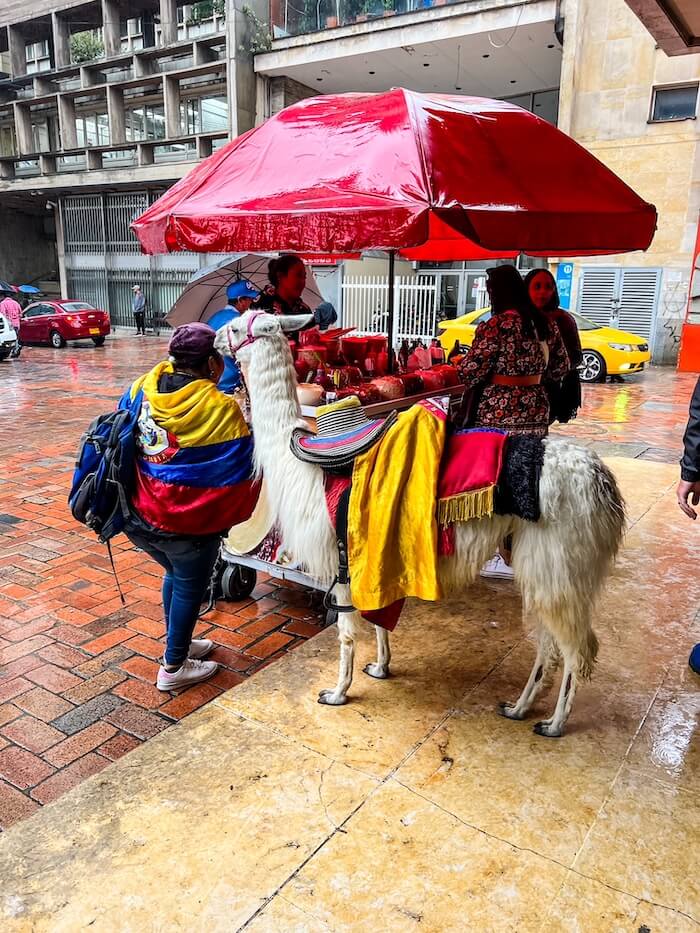
Bogotá is fine if you only have a day to drop in and out of the city, but it’s so much better if you’re able to stick around for a while.
We were admittedly a little overwhelmed on our first day in the city. It’s loud and intense and not as pretty as some of the more popular Colombian tourist stops.
I’m so glad we didn’t leave with that first impression. By the next day, we had discovered the city’s hip beer scene, a few inventive eateries, and nooks that felt downright hidden if I do say so myself.
The longer you stay, the more you’ll love Bogotá.
It’s an excellent intro to Colombian coffee.
I have some FOMO over not planning a trip to one of Colombia’s best coffee farms but am thankful that I saved my first coffee tasting for Bogotá.
We did ours at Catación Pública, one of the city’s best coffee shops, and had a fantastic, informative time with our guide.
We learned everything about everything we’re doing wrong with our basic coffee habits and tasted some delicious Colombian coffee along the way.
They do walk-ins, but you may need a reservation at one of the city’s other coffee shops that offer the same. Peruse websites if you don’t want to get shut out of this experience.
Bogotá is a great base for day trips.
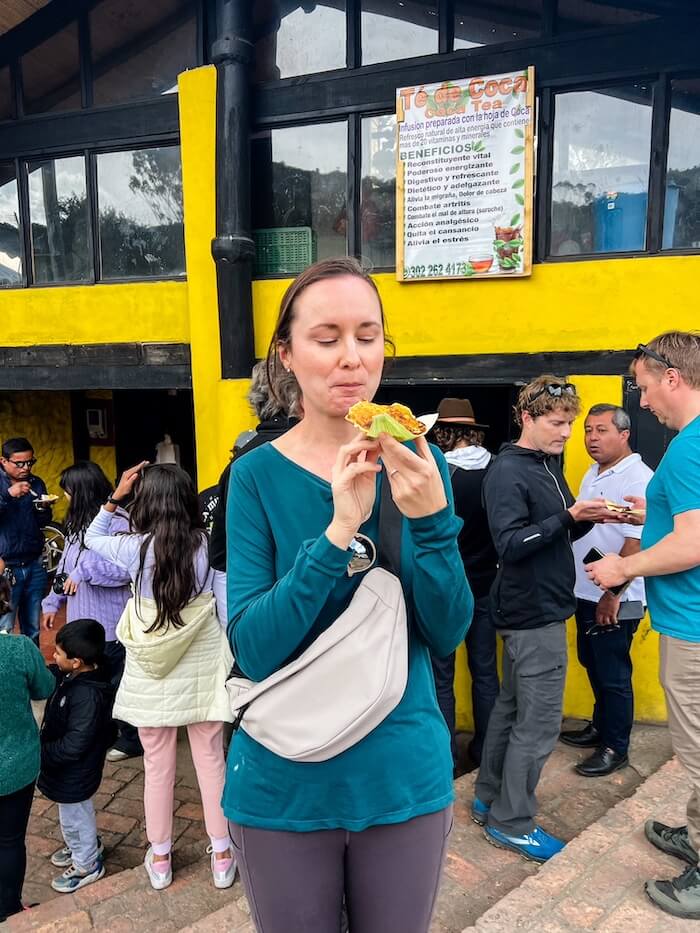
I’d urge you to visit Bogotá for the city itself, but with a longer trip, Bogotá is a great city for day trips.
We packed quite a bit into one full day on the road from the city. In just one day, we hit Casa Loca in Guatavita, Lake Guatavita, and the Salt Cathedral of Zipaquirá.
Chicaque Natural Park and its cloud forest, Choachi and its coffee farms, and the La Chorrera and El Chiflón waterfalls are all within an easy drive from Bogotá.
Visiting Bogotá means great beer.
South America as a whole has expanded its craft beer offerings since we planned our first trip to Peru decades ago. Bogotá has been our favorite stop on the continent so far when it comes to beer.
They have both true craft breweries and larger operations that serve up a variety of styles and flavors to suit your beer palate.
I have a guide to the city’s best breweries if you’d like to have yourself a beer crawl.
Fun fact: We didn’t play tejo during any of our brewery trips, but it’s a popular “sport” at some Bogotá pubs that involves gunpowder, loud explosions, and lots of beer. It’s totally safe, I promise. Just do as true locals do and happy travels.
It’s easy to escape the urban sprawl.
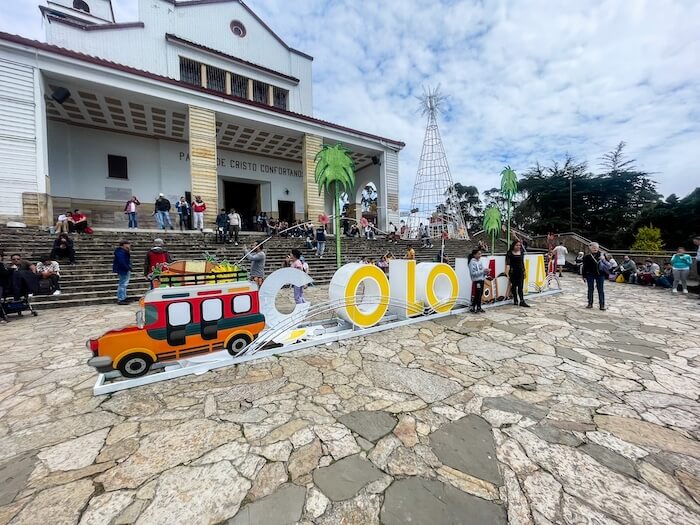
It’s easy to feel overwhelmed by Bogotá if you limit your visit to the Candelaria neighborhood. This city has some intense traffic.
It’s also easy enough to escape the city without leaving the city limits. You just need to explore the city’s green spaces and vistas. We loved Parque 93 for all of the eateries and pubs that surrounded this gathering spot.
If you don’t mind working a little harder, one of the top things to do in Bogotá is climb to the top of Monserrate for the best views of the city. If you’re not able to hike, don’t fret. You can take a cable car up, instead.
The local people are welcoming.
I wouldn’t come in hot with your thoughts on Narcos, but even if you did, I think the local people would engage with you.
They’re fiercely loyal people but also quite honest with the work Colombia needs to do to truly move past certain aspects of its reputation. In Bogotá, that’s amplified.
The locals will get political with you if you’d like, but they’re also down for a good time in the form of delicious eats and drinks.
It’s not one-sided, either. They want to get to know you, as long as you’re not being a jackwagon. They want to know what brought you to their misunderstood city. Engage with them.
READ MORE: Looking for friendly cities? Bologna is close to the top of our list.
Is Bogotá safe for tourists?
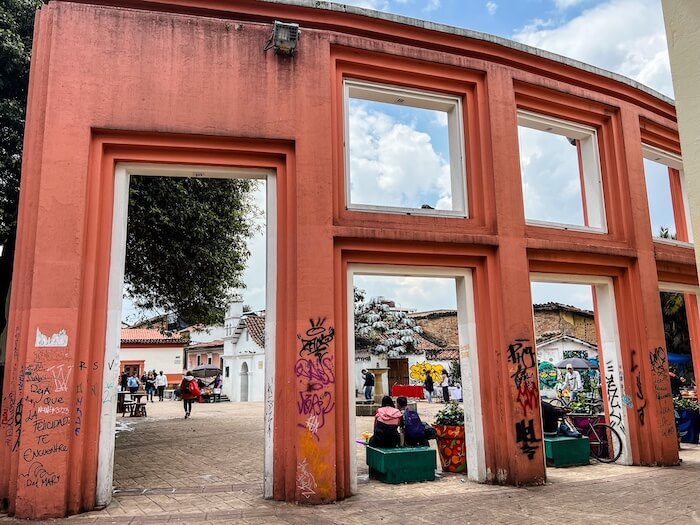
Bogotá is safe for tourists, but the usual commonsense rules apply. Don’t flash your valuables, including your phone, cash, and credit cards. Don’t wander around dark alleys at night on your own. Be aware of your surroundings, especially if you’re traveling solo.
You may notice that these are all things you should be doing no matter where you travel.
There are a few additional things to note to ensure a safe stay in Bogotá:
- Avoid taxis to avoid being scammed. Uber operates in a gray area in Colombia’s major cities at the time of this writing, but do a quick search for the latest info on rideshare before you go. This is an ever-changing topic across the country.
- Be extra cautious on public transportation. The TransMilenio bus network is a popular, budget-friendly way to get around. It’s also a popular venue for pickpockets. You generally shouldn’t keep anything in your pockets in Bogotá.
- Choose overnights in a well-lit area of the city. Zona Rosa and Usaquén are both great options. La Candelaria is the historic center, but it can still get a little sketchy at night despite the city’s best efforts.
- No dar papaya. We learned this one on one of our walking tours. It literally means, “Don’t give papaya.” Petty theft is alive and well in the city, so don’t make yourself an easy mark. Keep an eye on your stuff at all times.
Where to Stay in Bogotá
If you’re looking for the best area to stay while in Bogotá, I’d highly recommend Zona Rosa. We stayed at the GHL Hotel Hamilton and it was great for proximity to restaurants, nightlife, and accessibility to transportation.
Here for a layover? The Courtyard Marriott Bogota Airport has a shuttle on the hour with affordable, big rooms and a decent on-site restaurant. We stayed there for one night just to make our last night more efficient.
Use the map below for more options in my preferred neighborhood, Zona Rosa:
Bogotá is a special place.
Bogotá is a great place to visit. It’s the capital of Colombia and a great example of a big city that blends its heritage with modernity. This fusion of its identities only enhances Bogotá’s cultural richness.
The city is also special for its people. Its warm, welcoming locals are resilient people excited about showing off the best of their city.
It is worth going to Bogotá on any South American trip. This city isn’t just a great starting point on travels across Colombia. It’s worth your time regardless.
Love a good city break? Check out these guides:
- Eat Your Way Through Italy’s Bologna
- A One-Day Guide to Iceland’s Reykjavik
- Traveling to South Africa? Start in Cape Town
- Take a Bruges Day Trip from Brussels
- Planning a Three-Day Break in Chiang Mai
More underrated destinations that deserve your time:
- A Bangkok Itinerary for Your Thailand Vacay
- Why Warsaw Should Top Your Poland List
- Don’t Ignore Milwaukee on Wisconsin Trips
- Plan a Weekend in Underrated Albuquerque
- A Guide to the Most Underrated Cities in the U.S.

Want to see more?
Subscribe to my biweekly newsletter for hot travel tips I come across, weird stories you won’t see elsewhere and perhaps lifelong friendship.
Too much, or just enough?
