
Dubrovnik is one of those places that looks almost suspiciously good in photos. The Adriatic can’t possibly be that absurd shade of turquoise, and the city walls must not be that high-drama in person. Right?
Well, actually, Dubrovnik is really that good-looking. Add its terracotta rooftops, limestone streets, and islands scattered across the horizon, and it’s easy to see why it’s Croatia’s most popular destination.
But is Dubrovnik worth visiting, especially now that it’s exploded in popularity? Or has Dubrovnik become a little overrated?
I’ve been twice now, and while it has been feeling some growing pains, I do think it’s best to see places for yourself. There are just a few things you need to know before you go so that you’re not disappointed.
Quick Tips for Your Dubrovnik Visit
Your Flight: Dubrovnik Airport (DBV) is the easiest option, as it’s about 25 minutes from the Old Town by car. Find the best flight deals on Skyscanner. Love deals? Subscribe to Going.
Your Accommodations: We stayed at Scalini Palace in the Old Town on our first visit, which made exploring on foot incredibly easy. Valamar Lacroma Hotel was quieter and an easy bus ride into the city center.
Browse Booking.com or Hotels.com for more options. Vrbo is my Airbnb alternative.
Your Ride: You don’t need a car to explore Dubrovnik itself. The Old Town is pedestrian-only, and buses connect it with other parts of the city. If you want a car for a longer trip post-Dubrovnik, book a rental car ahead of time.
Top Spots: Walk the Dubrovnik city walls, wander Stradun and the Old Town, and check out the Rector’s Palace.
Disclosure: Travel on the Reg uses affiliate links to keep things running around here. At no additional cost to you, I earn a lil’ commission if you make a purchase. Any income earned supports the upkeep of this site. I appreciate you!
Is Dubrovnik worth visiting?
Yes, Dubrovnik is worth visiting.
It’s one of Croatia’s most beautiful cities, with a fascinating history, plenty to see and do, and some excellent scenery. But it’s also a very popular destination with a few quirks you’ll want to know about before you go.
As long as you know what to expect, you can plan a lovely trip to Dubrovnik and actually enjoy the things that make the city so popular.
Dubrovnik is one of the most scenic places in Croatia.
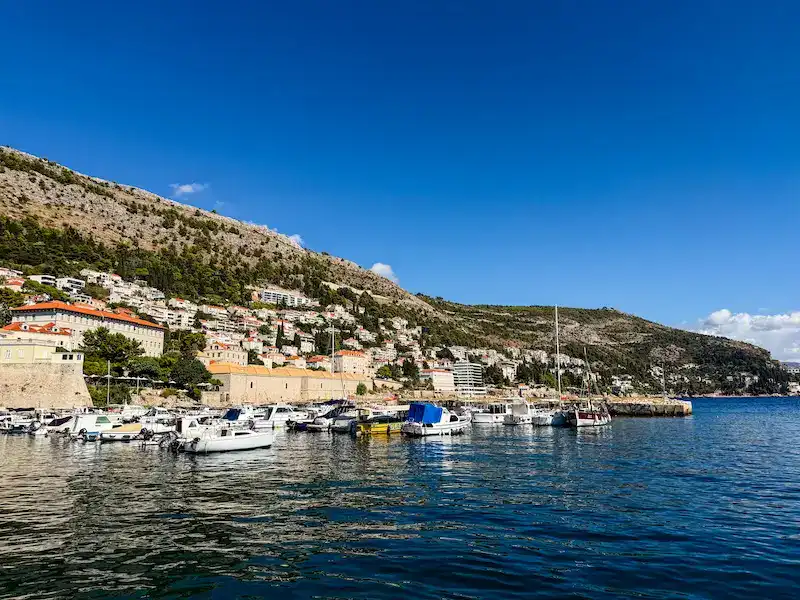
Dubrovnik is actually as pretty as it looks online. The water really is that bright blue. The orange terracotta roofs pop against the city’s medieval walls. And the rocky coastline, despite attacking your feet, is very atmospheric.
Remind yourself of Dubrovnik’s loveliness when you’re sitting at a restaurant, wondering how you’re going to justify that bill later.
One of my favorite views was around the west harbor and Fort Lovrijenac, where the water below is that lovely shade of blue. Kolorina Bay is another good place to stop for a break, even if you just want to stare at the water and dissociate.
On my second visit, I made it down to Lapad, where the promenade offers more coastal scenery without the intensity of the Old Town. I’ll talk about the Old Town here a lot, but it’s important to note that the scenery doesn’t stop beyond its walls.
Dubrovnik has a fascinating history.
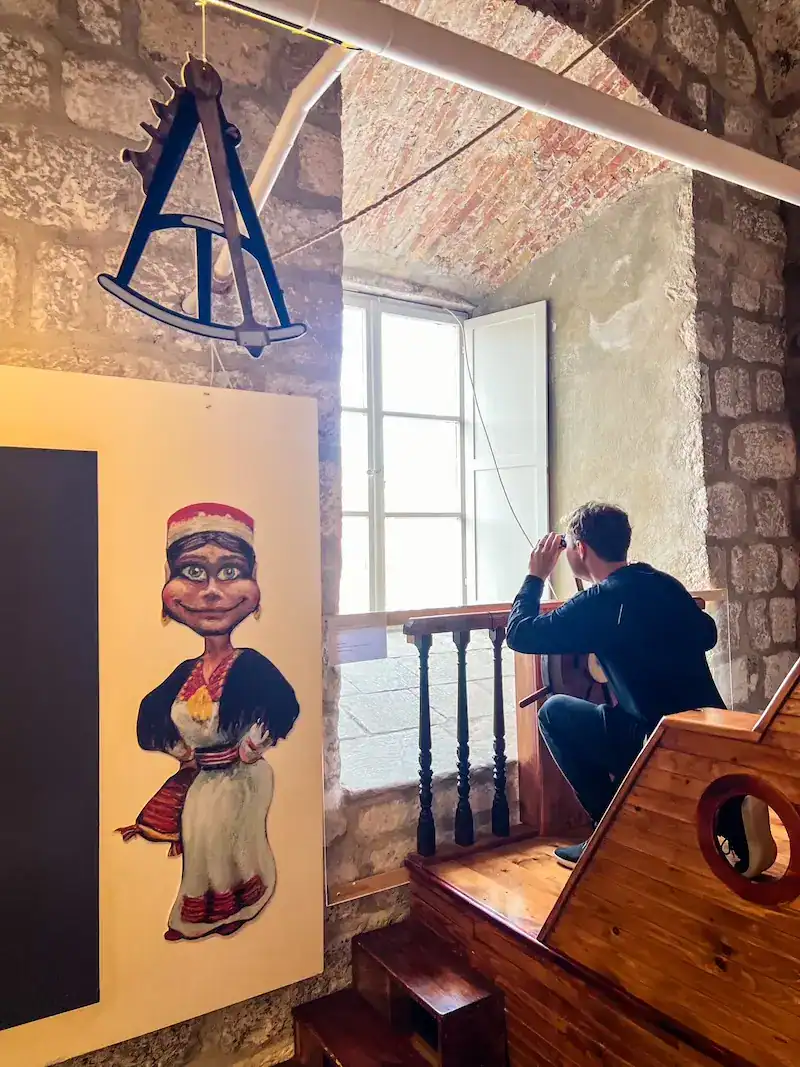
Dubrovnik has a long and complicated history, and you’ll see pieces of it throughout the city.
The medieval walls and fortifications are the obvious starting point. But you can also visit Rector’s Palace, the Franciscan and Dominican monasteries, and the Maritime Museum to do more learning.
Rector’s Palace was one of my favorite stops on my second visit. The exhibits give you a chance to learn more about Dubrovnik’s more recent history, including the Croatian War of Independence. At the top, you get some nice views, too.
There’s even more to explore beyond the Old Town. The Homeland War Museum at the top of Mount Srđ focuses specifically on the 1991-1995 war. The Red History Museum offers a more interactive look at Croatia’s communist period.
You can absolutely spend your time in Dubrovnik taking pretty pictures, but there’s a lot to do that isn’t ogling the city’s looks, too.
You can walk Dubrovnik’s famous city walls.
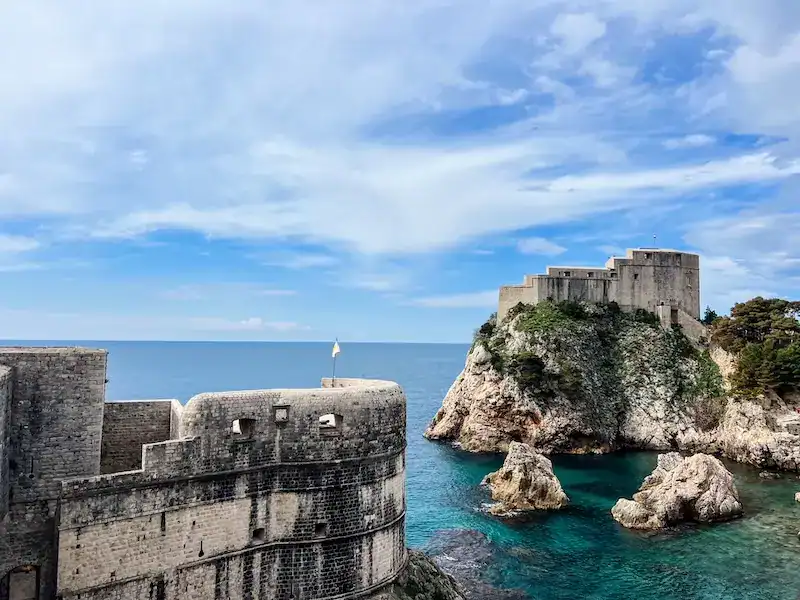
The Dubrovnik city walls are expensive — €40 per person during the main season and €20 in some of the winter months — but we did them anyway on our first visit. I suffer from intense FOMO if I don’t try things out, and I heard the views were great.
That bit was true. You can look down over the terracotta roofs of the Old City, a UNESCO World Heritage Site, out across the Adriatic, and toward the surrounding islands. The full circuit takes about an hour and a half without rushing.
You’ll also pass several of Dubrovnik’s major defensive structures, including Tvrđava Minčeta. That’s the round fortress that Game of Thrones fans will recognize as one of the filming locations for the House of the Undying.
Note: If you’re planning to visit several attractions, look at the Dubrovnik Pass rather than paying individual admission fees. The city walls alone make the one-day pass worthwhile, and it also includes attractions such as the Maritime Museum and Rector’s Palace.
It’s a must-see for Game of Thrones fans.
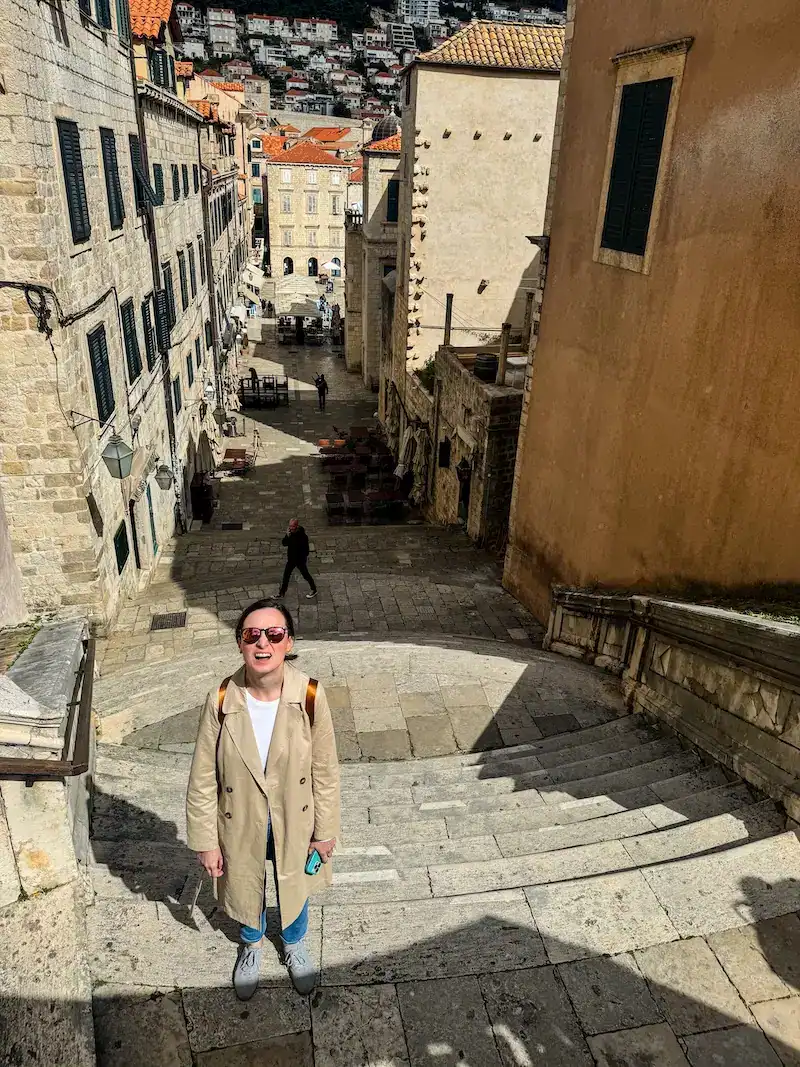
Some of the show’s most recognizable scenes were filmed around Dubrovnik, including locations in and around the Old Town. I mentioned one already at the Tvrđava Minčeta, but that’s just the start.
The Jesuit Steps were particularly fun because our spring visit meant fewer crowds to make fun of us as we chanted, “Shame, shame.”
You can also visit the Iron Throne, or at least a replica of it on Lokrum Island, a short boat ride from Dubrovnik.
Even if you’re not a Game of Thrones fan, the filming locations are a fun way to explore the city because they take you to places you might otherwise walk right past.
Prefer a guide to take you around? Check out these Game of Thrones-coded tours:
Dubrovnik’s Old Town is easy to explore on foot.
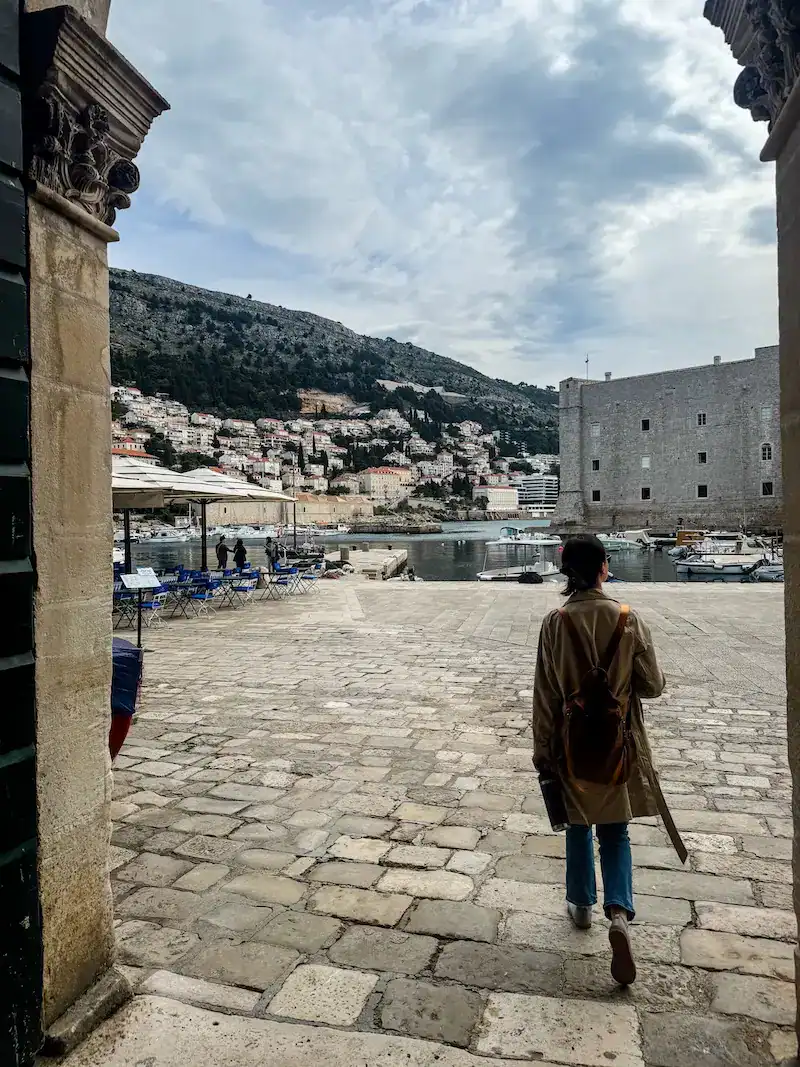
Once you’re inside Dubrovnik’s Old Town, you can cover a lot on foot.
The Stradun runs through the center, but don’t just stick to the main drag. Skip the tchotchke shops and overpriced gelato for the city’s side streets. That’s where you’ll find inner courtyards and little squares that feel way more charming.
Many of Dubrovnik’s major sights are packed into a relatively small area. You can easily combine the city walls with sites like the Dubrovnik Cathedral, Rector’s Palace, the monasteries, and some aimless wandering if you’re into that.
Note: The further you wander from the Stradun, the more stairs you might encounter. Take things slow, as the ground can be uneven, too. If you have mobility limitations or are traveling with someone who struggles with stairs, the main paths can still be a good time.
You can escape the Dubrovnik crowds.
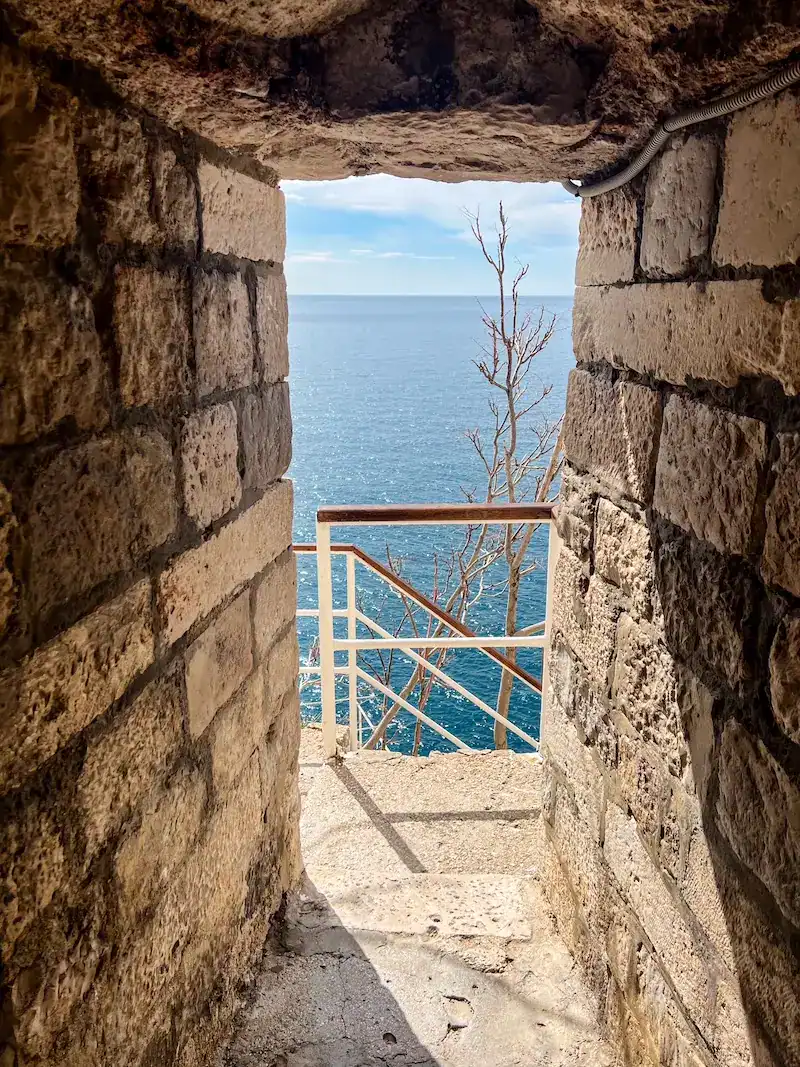
Dubrovnik is crowded, especially if you visit during the summer or when multiple cruise ships are in port. It’s also small, so you tend to feel people at your elbow and up your ass more acutely.
Thankfully, the crowds are concentrated around the Old Town and Stradun. You don’t have to spend your entire visit packed shoulder-to-shoulder with everyone else who had the same idea.
On our September visit, the Stradun was wildly busier than it had been in March, but the west harbor and Lapad were much quieter. There are still spots around Dubrovnik to find some peace, as long as you’re willing to explore beyond the Old Town.
Fun fact: You can also plan your sightseeing around the cruise schedule. Checking which days have the most ships in port can help you avoid making your big Old Town day the same day thousands of cruise passengers arrive.
There’s easily enough to do in Dubrovnik to fill a full day.
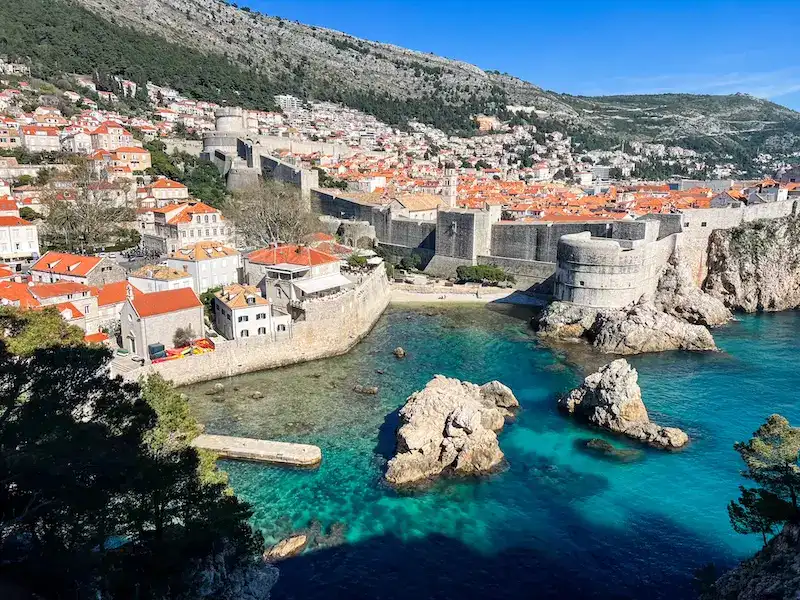
While I’d argue that Dubrovnik gets much better after the day trippers leave, it also works well as a day trip because there’s so much to do to fill that day.
You can walk the city walls in the morning, explore the Old Town, visit a museum or two, stop for lunch, and wander through some monasteries and historic buildings.
You can also take things in a more relaxed fashion and hang out at a spot overlooking the Adriatic for an hour or two.
If you want to get more active, you can hike up or take the cable car to Mount Srđ. If it’s warm and the seasonal services are operating, you can add Lokrum or some water activity time.
You can easily enjoy the Adriatic Sea.
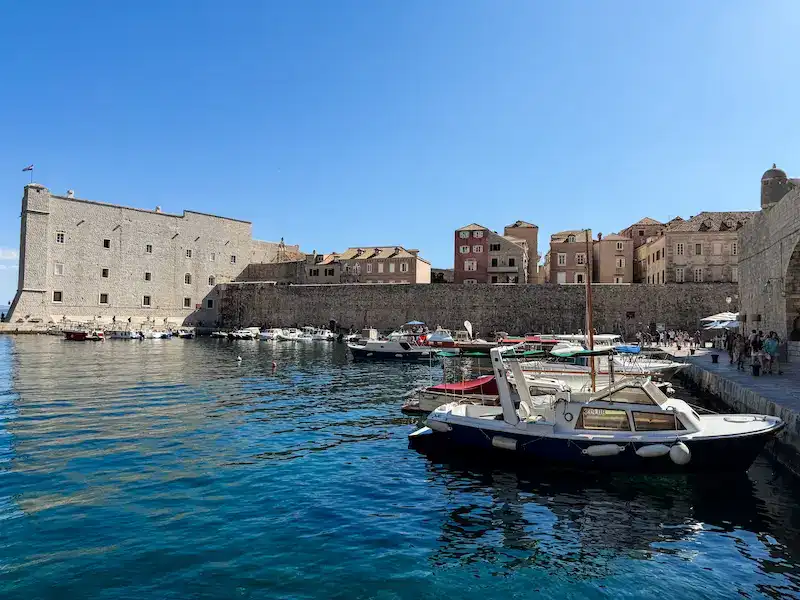
Dubrovnik sits directly on the Adriatic, so if you’re visiting during the warmer months, there are plenty of ways to hang out on and around the water.
Lokrum is the obvious option. The island is just off the coast and is an easy excursion from the Old Town. You’ll also be met with loads of options for things like kayaking trips and scenic boat rides. Here are a few fun-looking options:
If island trips or water activities are important to you, check the seasonal schedules before booking an off-season trip. In March, the water activities weren’t an option, and seasonal boat trips weren’t running. September was a completely different story.
The people can make your experience in Dubrovnik more personal.

I’m Polish, so I’m very aware of RBF as a coping mechanism. Now that I’ve been to the Balkans, I’ve learned that the Poles have nothing on these people when it comes to flat affect.
I mean that as a compliment.
Despite their initial demeanor, the people we met in Dubrovnik were genuinely kind, and a visit to a local olive oil farm was the best example of that.
Our tasting was through DuOlive, a family-run olive oil producer outside the Old Town. What I expected to be a fairly standard afternoon where we’d tour the farm and taste some olive oil turned into a nearly full-day affair.
We tasted olive oils, but we also sipped on homemade liqueurs and local cheese, meats, and dried figs. We basically broke bread with this family as they told us the history of their olive groves.
Kristo, who runs the business, shared how he returned to his family’s olive-growing traditions after realizing he was burning out in his previous career. As cheesy as it sounds, we felt like we were invited into his story. I love that shit.
Dubrovnik is a great base for day trips.
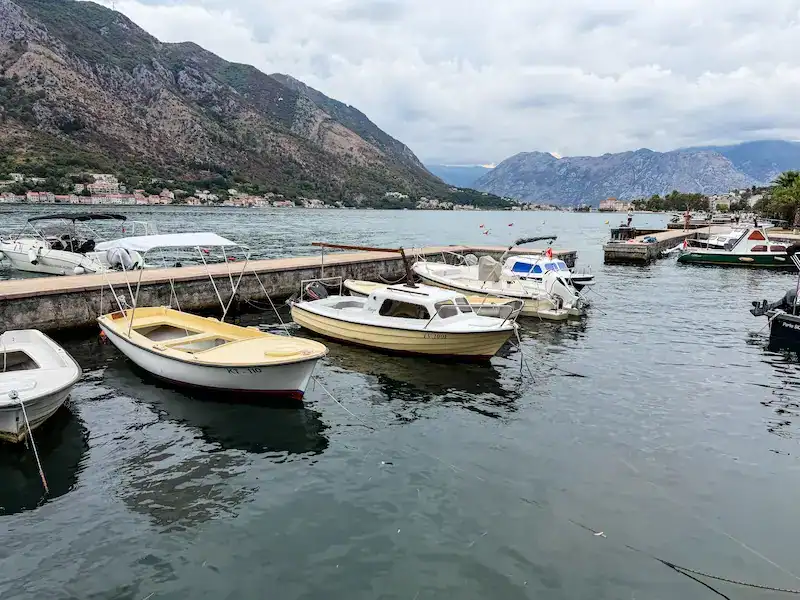
Dubrovnik is worth visiting even if you only have a day, but its location also makes it a useful base for exploring more of the southern Adriatic. If you have a few days here, you can easily add day trips without constantly changing hotels.
Within Croatia, you can visit Cavtat, explore the Konavle region, or head to Ston and the Pelješac Peninsula for more history, scenery, and wine. You can also visit the nearby islands when seasonal boat services are running.
If you’re feeling cheeky, you can visit another country for the day. Montenegro is right next door, making places like Kotor and Perast possible day trips. You can also cross into Bosnia and Herzegovina, with Mostar being another popular option.
Just remember that these aren’t domestic day trips. You’ll need to cross international borders, and summer traffic can turn what looks like a short journey on a map into a much longer day.
Check the current entry requirements and allow plenty of time if you’re planning to cross into another country.
Want to stay overnight instead? We stayed at the Scalini Palace on our first visit, and I’d recommend it. It was right in the thick of it, but it was off-season. The Valamar Lacroma Hotel is ideal for a quiet stay outside of the Old Town.
Use the map below to find what you need:
Who Dubrovnik Is Best For
Dubrovnik already attracts loads of visitors, but here’s who I think would really like it:
- First-time visitors to Croatia: Dubrovnik gives you a little bit of everything that Croatia is known for, like beautiful coastline, historic towns, islands, seafood, and wine. It’s an easy introduction to the country.
- History lovers: The medieval walls, historic churches, monasteries, palaces, and museums give you plenty to explore, and the city’s UNESCO status is well deserved.
- Game of Thrones fans: If you watched the HBO show, you’ll have fun spotting filming locations. Fort Lovrijenac, the city walls, the Jesuit Steps, and nearby Lokrum all offer opportunities to see stuff you might recognize.
- Travelers who want a mix of sightseeing and the sea: Dubrovnik isn’t strictly a city break. You can spend the morning exploring historic sights and the afternoon kayaking, visiting Lokrum, or just sitting beside the water pensively.
- Travelers exploring the southern Balkans: Dubrovnik is a nice starting point if you’re combining Croatia with neighboring countries. Montenegro and Bosnia and Herzegovina are both close enough to make day trips possible.
Fun fact: Croatia, Montenegro, and Bosnia and Herzegovina were all part of Yugoslavia until the country began breaking apart in the 1990s. The history is worth exploring on your own time, but today, you can cross between all three from Dubrovnik in a single trip.
When Dubrovnik Might Not Be Worth Visiting
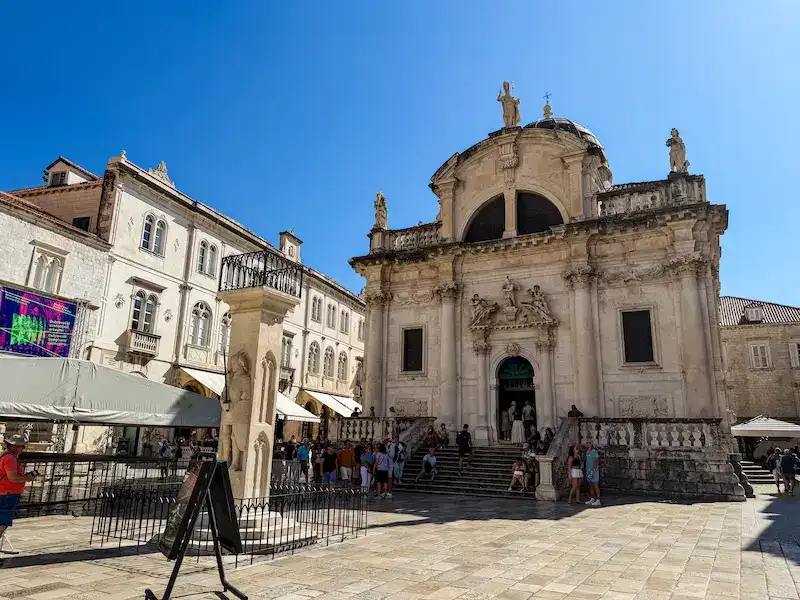
Dubrovnik is beautiful, but there are some legit reasons it might not be the right fit.
If you hate crowds, Dubrovnik can be a tough sell. The Old Town gets extremely busy, particularly when cruise ships are in port, and the Stradun becomes a sea of sweaty people. If you want a quiet town where you can wander mostly alone, this isn’t it.
If you’re trying to stick to a tight travel budget, Dubrovnik may frustrate you. Accommodation, restaurants, drinks, and major attractions can add up quickly. There are ways to keep costs down, but this isn’t where I’d go for a cheap Croatia vacation.
If your idea of the perfect Croatian vacation is a sandy beach resort, Dubrovnik will disappoint. There are places to swim and enjoy the Adriatic, but many of the beaches around Dubrovnik are rocky or pebbly. You’ll need water shoes.
Finally, if you want a quieter, less touristy Croatian experience, you might be happier elsewhere. Consider spending more time in smaller coastal towns or using Dubrovnik as a stop on a longer Croatia itinerary.
When is the best time to visit Dubrovnik?
If you want good weather with fewer crowds, target shoulder seasons, particularly May, late September, or early October.
You’ll have more seasonal businesses and activities operating than you would in the winter or early spring, while avoiding some of the intensity of July and August.
Our March visit was wonderfully quiet, but that came with trade-offs. Some restaurants and attractions were closed for the season, and boat trips weren’t running. My September visit had much more going on, but the crowds were wild.
How crowded does Dubrovnik get in August?
Dubrovnik can get very crowded in August, particularly in the Old Town. Summer is peak season, and the combination of vacationers, day-trippers, and cruise passengers comes together in an uncomfortable soup.
The biggest variable is the cruise schedule. Days when several large ships are in port can mean thousands of additional visitors over the course of an afternoon.
You can get away from the worst crowds by exploring earlier in the morning, heading outside the Old Town, or spending some time around Lapad and the coast. Staying overnight also helps because you aren’t limited to the same schedule as day-trippers.
Visiting outside of August is the best move, though.
Is it better to visit Split or Dubrovnik?
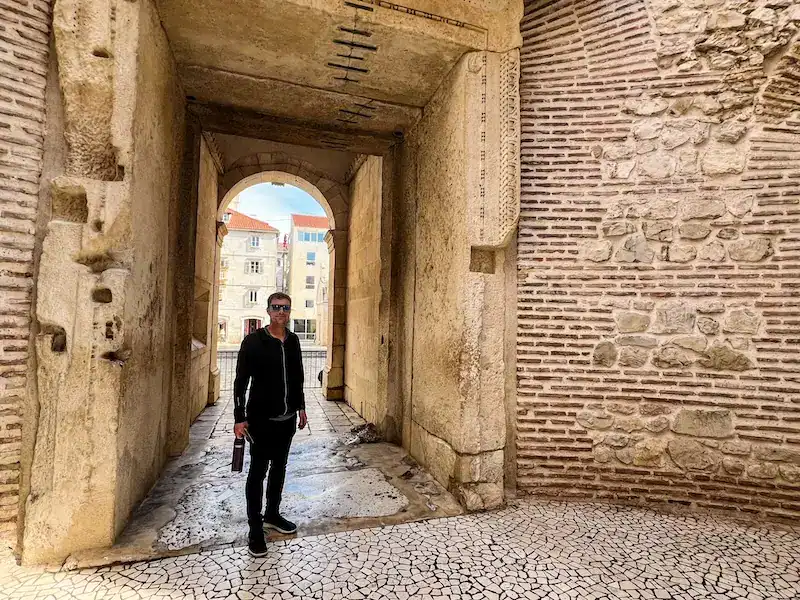
Split and Dubrovnik are both worth visiting, and I’m not sure one is objectively “better.”
Choose Dubrovnik if you want the dramatic scenery, a well-preserved historic center, medieval city walls, and that GOT connection. It’s also a convenient base for exploring southern Croatia and nearby international destinations.
Choose Split if you want a bigger city with more of a local feel, and a more central location for exploring the Dalmatian coast. Split also has a better selection of restaurants and nightlife, in case that drives your decision-making.
If you have enough time on a trip to Croatia, do both. That’s what we did on our first trip. They’re different enough that it won’t feel like you’re doing more of the same.
Is Dubrovnik expensive?
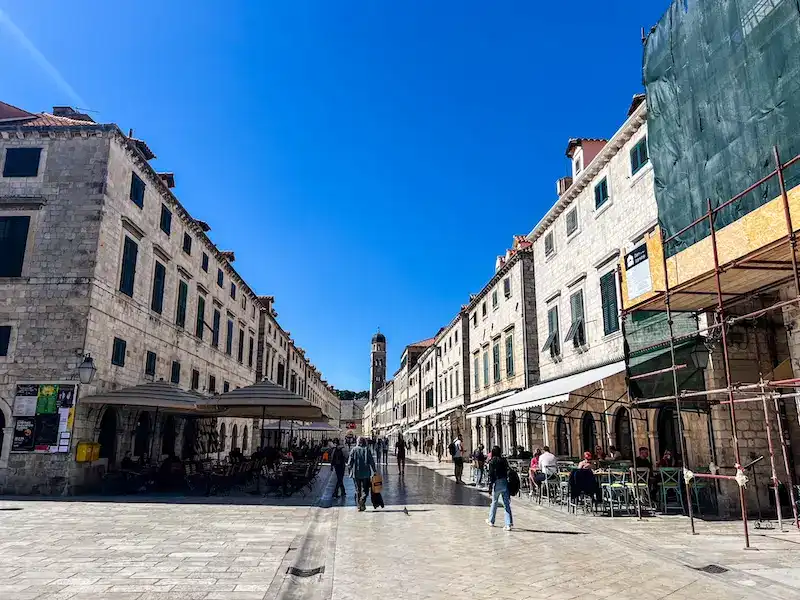
Yes, Dubrovnik is expensive, especially compared with other destinations in Croatia.
Staying inside or immediately around the Old Town can get pricey, especially during the summer. Restaurants and bars in the most touristy areas also charge high prices, and major attractions like the city walls aren’t cheap.
You can save money by staying outside the Old Town, eating away from the main tourist streets, and being selective about paid attractions. The Dubrovnik Pass can make sense if you’re planning to visit several places included on the card.
Dubrovnik is worth visiting, despite my cons.
Dubrovnik isn’t my favorite destination in Croatia. It’s expensive, it can get packed with tourists, and the city’s most famous attractions come with both high costs and lots of people.
Those downsides don’t cancel out what makes Dubrovnik special, though.
You still get a beautiful, historic city surrounded by the Adriatic, medieval walls you can actually walk, fascinating history, and those Game of Thrones filming locations. On a longer visit, you can enjoy easy access to cool places in the southern Balkans.
So, is Dubrovnik worth visiting? Absolutely. Just go in knowing what to expect, plan around what actually matters to you, and give yourself enough time to experience the city beyond Old Town.
More European cities that are pretty to look at:
- Spend a Lovely Day in Maastricht
- Top Things to Do With a Day in Burano
- How to Spend the Day in Charming Lucca
- A Guide to the Best of Lille, France
- Why Normandy’s Rouen Is Worth the Trip
More European destinations for beach-lovers:
- Spend Five Busy Days on Tenerife
- Guide to Tenerife’s Whale Watching Tours
- Should You Make Time for Madeira?
- Plan Three Epic Days in Malta
- Planning a Trip to Chania in Crete

Want to see more?
Subscribe to my biweekly newsletter for hot travel tips I come across, weird stories you won’t see elsewhere and perhaps lifelong friendship.
Too much, or just enough?
