
Despite how spoiled it is with scenery, Oregon only has one national park. That already puts Crater Lake at the top of the list of state attractions, but it gets nowhere near the tourists of bigger, perhaps more accessible parks around the country.
We were lucky enough to experience Crater Lake on a road trip through Oregon. I was admittedly kind of apathetic about it at first.
It’s a lake. I’m from the Midwest, a land of many lakes.
I’m telling you, though, this place is spectacular in person. I’ve never seen water so blue, the deep kind of blue that you’d usually only find on a painter’s palette.
The Crater Lake National Park itinerary I’ll get into here is how we approached our visit, with additional tips at the end for travelers with more time.
Quick Tips for Your Crater Lake Visit
Your Flight: Deals are pretty easy to find out of Portland if you’re on an Oregon road trip, but you can also watch flights for closer regional airports in Medford and Klamath Falls. Use Skyscanner to watch flights. Love deals? Subscribe to Going.
Your Accommodations: We visited Crater Lake on a day trip from Bend and stayed at the Campfire Hotel there. Browse Booking.com or Hotels.com for more options. Vrbo is my Airbnb alternative.
Your Ride: You’ll need a car for your trip to Crater Lake National Park. Book a rental car ahead of time.
Top Spots: Hike the Cleetwood Cove Trail, swim in the chilly waters of Crater Lake, and take a boat ride around the perimeter.
Disclosure: Travel on the Reg uses affiliate links to keep things running around here. At no additional cost to you, I earn a lil’ commission if you make a purchase. Any income earned supports the upkeep of this site. I appreciate you!
Is Crater Lake National Park worth visiting?
Crater Lake National Park is worth it for views of the lake alone. If you’re able to enjoy a few hikes while you’re here, it’s even more rewarding. You’ve likely never seen water this color, and it’s even better up close.
The lake also has a few impressive accolades to its name. With a depth of 1,949 feet, Crater Lake is the deepest lake in the United States. It’s number 10 for maximum depth in the world and in the top three for average depth, so it’s no slouch.
You only need one day for Crater Lake.
Spending the night in the park at one of the seasonal hotels will surely allow for a more unique experience. If you’re short on time, though, this isn’t one that will leave you with aggressive FOMO.

The Best Times to Visit Crater Lake
July through September are the best months to visit Crater Lake. This is when you’ll have full access to the park’s services and amenities, including boat tours.
That’s also peak season, although the park is more remote than most. You won’t have to compete with huge crowds in the summer months here.
While you can visit outside of those months, you may encounter road closures and other barriers to entry, like snow.
How to Get to Crater Lake National Park
We visited Crater Lake on a long day trip from Bend in the summer. If you do the same, budget about two hours to get there and back to your Bend hotel for the night.
This assumes you’re visiting in the summer, though. The park’s north entrance, the approach from Bend, is seasonal. If you approach from the north in the off-season, you’ll need to drive around to the south entrance, adding about 45 minutes of drive time.
Here are a few more options, especially if you’re visiting outside of the summer months:
- The closest airport to Crater Lake is in Medford, but that’s still 75 miles away. From Medford, you’ll follow Highway 62 to the west entrance of Crater Lake. This one is open year-round.
- If you’re on a long road trip from California or coming from the south, you’ll access the park’s south entrance. This one is open year-round.
The National Park Service is great about posting weather updates, road closures, and alternative routes to access Crater Lake. That includes information about active wildfires, a real threat across Oregon and our old home, California.
Always check the NPS website for the park before you head out.
READ MORE: Starting in Portland on this trip? Check out my Portland itinerary to help you plan.
Getting Around Crater Lake National Park
Unless you’re going on an organized tour, you’ll need a car to explore Crater Lake National Park. You don’t need a high-clearance vehicle, as the park’s roads are well-maintained, but the park can get dicey in the winter months.
Both the Rim Drive and Pinnacles Road feature tight curves and steep drop-offs that can be harder to navigate in a larger vehicle, especially when snow is involved.
If you’re not used to driving in wintry conditions, Crater Lake isn’t the place to learn.
What Not to Miss at Crater Lake National Park
This guide assumes you’re visiting Crater Lake in the warmer months when amenities are open, roads are clear, and swimming is possible.
Your visit would look a lot different in the winter, but I won’t begrudge you the experience. I just won’t be a ton of help to you here!
Pack a lunch for your full day at Crater Lake. You don’t want to have to compete with everyone scrambling for the park’s eateries once lunchtime hits, especially if you’re only here for one day.
Stop 1: Rim Drive
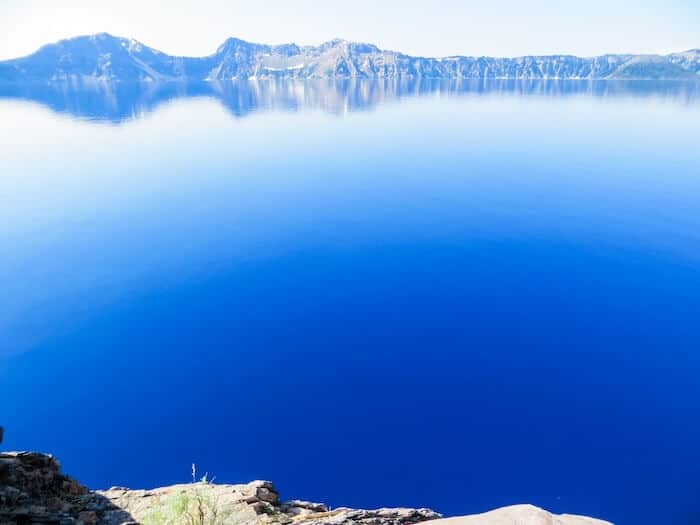
I love seeing a national park from my feet, but Crater Lake was designed to make it accessible for visitors who love a good scenic drive.
Rim Drive covers 33 miles and 30 overlooks designed in the 1930s to highlight special things about Crater Lake. That could mean notes of geological intrigue, a cool vantage point of Wizard Island, or access to a park hiking trail.
Some of the stops come with informational signage if you’d like to learn with your view. Others aren’t marked at all, requiring the use of your maps. Expect to spend at least an hour on the drive if you cover it in its entirety. Leave extra time to get out and explore.
We started in Rim Village just to get our bearings, but you can choose where you’d like to start depending on how you enter the park and how active you’d like to be. This guide covers what we did, but that doesn’t make it Crater Lake doctrine.
If you do start in the Rim Village, you can pop by the Rim Visitor Center to see if there are any relevant alerts to be aware of before you start your day. The best exhibits won’t be here but at the nearby Sinnott Memorial Overlook.
Sinnott Memorial is a stone structure built below the rim of the caldera into Victor Rock. You’ll learn about the story of Mount Mazama, how Crater Lake was formed, and the indigenous people in the area.
Stop 2: Discovery Point Trail
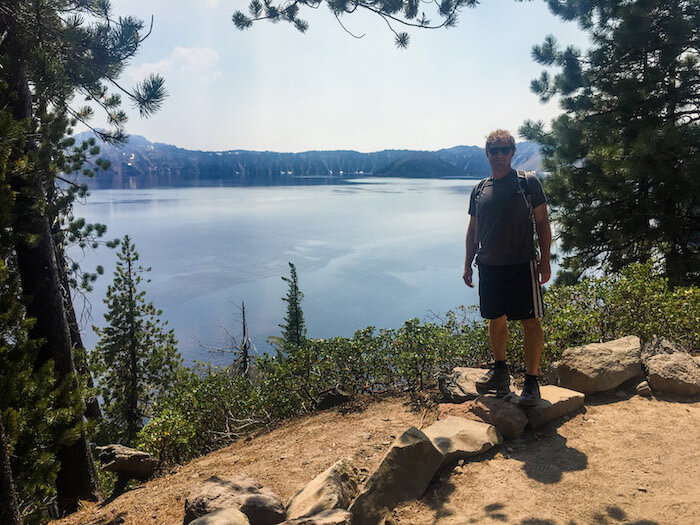
This 2.4-mile trail is one of the easier trails at Crater Lake and often an add-on for hikers continuing up to Watchman Peak.
If you’re only tackling this one, you’ll still get excellent views of Crater Lake with much less effort than the hikes that enjoy more elevation gain.
Watch for breaks in the old-growth forest and spur trails that will give you an even more intimate look at the deep blue water below. Access the hike on the west end of Rim Village.
Optional Stop 3: Watchman Peak

Viewpoints of Wizard Island are plentiful along the rim. If you want to work for it a little, the Watchman Peak trail is a 1.7-mile roundtrip hike that should give you views unobstructed by other Crater Lake visitors.
The elevation gain on this one is 420 feet, a more modest ascent if you’ve already been doing some hiking in the park, but enough over a short distance that you’ll likely sweat.
On a clear day, you may see Mount Shasta in the distance for those efforts. The trailhead is located at the Watchman Overlook on Rim Drive, 3.8 miles northwest of Rim Village.
Stop 4: Cleetwood Cove Trail

The Cleetwood Cove Trail is the most popular hike at Crater Lake and the only sanctioned hike that gets you down to the shores of that deep blue below. It’s a little over a mile to get down to the bottom, which isn’t bad at all.
Things get a little more aggressive, though, when you’ve had all of your fun at the bottom and need to get back up to the rim.
There were some curse words flying as we navigated those switchbacks. Brian wasn’t the one swearing.
In any case, make sure you bring sturdy shoes, even if you’re planning on swimming at the bottom, and enough water. I’m telling you, 1.1 miles back up 700 feet at an 11 percent grade isn’t as easy as it sounds.
To access the trail, you’ll stop at East Rim Drive, 4.6 miles from North Junction.
Stop 5: Swimming in Crater Lake


Once you’re at the bottom of the Cleetwood Cove Trail, a dip in the lake probably sounds pretty refreshing.
If you want to swim in Crater Lake, expect a VERY cold swim. It’s the kind of cold that will take your breath away when you dive in, or wade in if you’re a more cautious individual.
This isn’t meant to dissuade you from getting into the water. It’s an experience in and of itself.
Note: I would recommend wearing your suit underneath your hiking clothes so you don’t have to wait around for the limited bathrooms at the bottom. It takes people a long time to get into their bathing suits if our own wait at the bottom was any indication.
Brian wasn’t messing around and jumped right in off of one of the cliff spots. He said the water knocked the wind out of him for a second due to the cold but quickly recovered to float around with a renewed sense of childlike wonder.
Lake dips will do that to you.
I have this problem where my legs turn to jelly when I’m overlooking any kind of cliff-jumping situation, so I took a wade-in approach from a spot on the shore. It’s not easy to wade into water that cold, so he may have had the right idea.
Stop 6: Crater Lake Boat Tour

We weren’t able to shuttle out to Wizard Lake due to weather damage at the time, but we were able to take a tour around the perimeter of the lake.
The guided cruise gets you close-up views of Wizard Island with information about the natural formations that make Crater Lake such a unique place to visit.
You’ll also get a closer look at Phantom Ship, a series of spires of volcanic rock that break the water to evoke the look of a ship.
If you’re having the trip we had, you may even happen upon tourists who got down to the shores on unsanctioned hikes around the lake and are now in need of rescuing.
They seemed pretty relaxed when we spotted them, sunning themselves on the rocks, but that’s likely because they didn’t know yet that they didn’t have a way back up. Don’t be those people.
Our trip lasted a little over two hours, so if you’re planning on making this happen, make sure everything that you time your morning well. Leave plenty of time to navigate potential road closures and to get down to the short on that hike I told you about, too.
Reserve tours in advance online to make sure you get a spot.
READ MORE: Love being on the water? You don’t want to miss a trip along the Oregon coast.
Optional Stop 7: Wizard Island

That island you see in the middle of the lake is Wizard Island, a volcanic cinder cone.
Fun fact: A cinder cone is essentially a hill made up of all kinds of loose materials. In this case, the cinder cone was created in the years after the Mount Mazama volcano erupted, some 7,700 years ago. The smaller eruptions that followed created a number of cinder cones, the largest of which is the Wizard Island that you see today.
If you make it to the island, the Wizard Island trail to the summit and the crater below — yes, there’s another crater, and it’s all very meta — is 2.2 miles and rated as moderate.
I can’t vouch for whether that’s accurate, as we weren’t able to get on a boat to the island. We got SO close on our boat tour, though.
Wizard Island is accessible to visitors via shuttle boat services in the summer months. Unfortunately, Crater Lake boating to Wizard Island wasn’t operating during our visit due to a nasty winter the season prior.
Apparently, some of the boats were destroyed. In a more normal year, you can make reservations in advance online.
Stop 8: Sun Notch Trail

The Sun Notch Trail is generally considered one of the easier trails at Crater Lake at less than a mile roundtrip, so you’ll likely compete with other hikers on this one.
Lucky for you, this is one of the more remote national parks in the United States. Even on a busy day, you’ll still be able to find your own personal slice of Crater Lake.
Note: Watch for birds and a view from the Phantom Ship Overlook on this one if you missed it on the Rim Drive.
Access the loop as you travel east along Rim Drive. Depending on the timing of your day, you may be in for a sunset view at this point. Honestly, any viewpoint is a good place to be at sunset in Crater Lake.
Stop 9: Vidae Falls
This 100-foot waterfall is easily accessible along East Rim Drive as you make your way toward the start of your scenic ride through the park. While it’s best in the spring, you should still see a trickle if you’re here in the summer as we were.
The falls are fed by snowmelt, which makes them pretty consistent in a place that gets quite wintry in the colder months.
Optional Stop 10: Castle Crest Wildflower Trail

Either of the last two spots above is a more impressive way to end your day in the park. If you want one more stroll before you go, though, this one is less than a half mile through a meadow below Castle Crest Ridge.
It’s an interpretive trail, so you may even learn something about the wildflowers you’re likely to see along the way.
The moist conditions here make the flora abundant if you time things right. Visit the trail in the summer months for blooms and warm weather, as Crater Lake does get snowpack along its hiking trails.
End your day here, especially if you’re traveling back to Bend. If you’ve worked through your sack lunch and want to linger near the lake for a meal, you have some options:
- Rim Village Cafe: This counter-service option gets pretty busy during lunchtime. If you want to pop in for a Polish dinner — that’s when you eat during that time between lunch and dinner — it’s a quick option.
- Crater Lake Lodge Dining Room: This one offers a more formal dining experience with nice views. Reservations are recommended, as despite its reviews, this is a popular option for evening meals.
- Annie Creek Restaurant: This eatery in Mazama Village has a casual menu of burgers, salads, flatbreads, and shakes. You can’t book reservations at this one, but it doesn’t get as busy as the Rim Village Cafe.
I need to add a disclaimer here that national parks aren’t generally known for their culinary options. You’ll likely find food that’s just fine in a pinch but overpriced for what you’re getting.
I’d highly recommend saving meals for Bend or even Medford unless you’re staying within the park itself.
More Things to Do on a Crater Lake National Park Itinerary
If you have more than one full day or are a repeat customer at Crater Lake, you may have time for additional activities to fill your time.
Here are a few more noteworthy spots, trails, and excursions on a trip to Crater Lake:
- Pinnacles Valley Trail: Pinnacles are volcanic spires, or fossil fumeroles, that were formed over time by erosion in the canyon below. You’ll need to drive off the main Rim Drive for this 0.8-mile trail, so you’re unlikely to see too many tourists here.
- Plaikni Falls Trail: For more than lake views, check out the Plaikni Falls Trail, an easy mile in and back to a waterfall. The trail was named by the Klamath Tribes, whose land covers the park. Plaikni means “from the high country.”
- Annie Creek Canyon Trail: This 2.1-mile moderate trail travels along a peaceful stream that likely won’t have many other hikers on it. There are some steep sections on the return with just over 300 feet of elevation gain overall.
- Garfield Peak Trail: The 3.4-mile Garfield Peak Trail offers beautiful views of the lake, its namesake Garfield Peak, and the Klamath Basin. The length of this one isn’t long, but it’s strenuous, with over 1,000 feet of elevation gain on your trek.
- Mount Scott: The Mount Scott trail is for those looking for a challenge. If you’re a seasoned hiker, you’ll enjoy the 1,250 feet of elevation gain on this one. By “enjoy” I mean it won’t be as hard for you as it is for more squishy folks like me.
- Fishing at the Lake: Crater Lake is a decent spot for salmon and rainbow trout if you come with artificial bait. This is to prevent outside species from being introduced into this pristine lake environment. No license is needed.
- Ride the Rim: Enjoy East Rim Drive with zero vehicle traffic at this annual event typically held at the end of summer. You do have to register online in advance if you’re here to ride (or hike) the drive.
More Tips for Visiting Crater Lake

No matter how much time you have to spend at Crater Lake, there are a few more things you should know before you head out:
- Crater Lake sits at 6,178 feet above sea level. Viewpoints and hikes along the rim are even higher. If you’re sensitive to altitude, take things slow, stay hydrated, and consider leaving time to acclimate.
- You don’t need a reservation to enter the park, but there is a fee. Use your America the Beautiful annual pass or pay the fee at the gate.
- Entrance passes for solo travelers on foot or bike are $15. Single vehicles are $30 for everyone in that vehicle during the summer and $20 in the winter. Paid entry is good for seven days.
- Gas stations inside the park are scarce, so fill up your tank before arriving. There’s a gas station at Mazama Village, but it’s better to be safe.
- Crater Lake is not pet-friendly, so you’ll need to leave Fido at home or back at your accommodations for visits to this park.
- Dress for hiking. This isn’t some lake stroll, especially if you plan on hiking down to the lake. Wear shoes with good traction that will work in the case of inclement weather.
Where to Stay Near Crater Lake
If you want to stay in the park, you have two options from Crater Lake Hospitality: Crater Lake Lodge and the Cabins at Mazama Village.
Keep in mind that both are only open seasonally, so if you’re traveling outside of the peak summer and early fall months, you’ll need accommodations elsewhere.
You can also plan a camping trip. The Mazama Campground is open in the summer months by reservation from a third-party concessioner. There are over 200 sites in the campground, but it does get busy thanks to its limited season.
We visited Crater Lake on a day trip from Bend and the Campfire Hotel, which I’d recommend.
Fun fact: Bend is awesome, too, and worth a visit on its own.
The hotel itself is midrange and pet-friendly for those traveling with their pooch. Yes, there are literal campfires involved.
Use the map below to browse more options in Bend:
Spend the day at Crater Lake National Park.
It’s hard to describe how impressive this park is without having seen it for yourself. From the views of those mesmerizing waters to the literally breathtaking experience of taking a dip if you dare, Crater Lake should be an essential piece of Oregon tourism.
I’d love to come back for a do-over of Wizard Island, the one piece of the park that I wish we’d been able to tick off. I’m sure we’ll be back to explore this natural wonder on future trips to Oregon. The state has a way of pulling you in.
Planning more travel in the region? Here you go:
- A Guide to Oregon Wine Country
- Love Wine? Decide Between Napa and Sonoma
- A Detailed Guide to Planning California Travel
- Things to Do in Charming Solvang, California
- How to Plan a Day in the Temecula Valley
Love national parks? Check out these guides:
- Why Visit Death Valley National Park
- Hiking the Narrows: How to Plan an Epic Trek
- How to Plan a Trip to Zion National Park
- Capitol Reef National Park: Visit the Utah Park
- Is Petrified Forest Worth the Effort? A Real Guide

Want to see more?
Subscribe to my biweekly newsletter for hot travel tips I come across, weird stories you won’t see elsewhere and perhaps lifelong friendship.
Too much, or just enough?
