
Planning a trip to Iceland? Start here. For a first trip, I recommend at least five to seven days, with Reykjavík, the Golden Circle, and the South Coast as your core itinerary.
The best time to visit depends heavily on whether you want the Northern Lights, long summer days or easier road conditions.
Based on our trip to the Land of Fire and Ice, we know how accessible Iceland can be and how flexible you need to be when you end up getting more of one than the other. I’m mostly talking about the ice.
There’s something special about this place no matter what kind of weather you’re forced to reckon with, though.
I’ll get into all of that, plus the practical things you need to know to put together an Iceland trip that actually works, in this guide.
Quick Tips for Your Iceland Visit
Your Flight: Deals to Keflavík Airport happen quite often, especially if you’re starting from a major transportation hub. Use Skyscanner to watch flights. Love deals? Subscribe to Going.
Your Accommodations: Browse Booking.com or Hotels.com for your options throughout Iceland. Vrbo is my Airbnb alternative.
Your Ride: A car will make your trip to Iceland more efficient, but make sure you’re equipped to drive in inclement weather if you’re traveling in the winter. Book a rental car ahead of time.
Top Spots: Reykjavik, Thingvellir National Park, and Jökulsárlón were our favorite stops on our trip to Iceland.
Disclosure: Travel on the Reg uses affiliate links to keep things running around here. At no additional cost to you, I earn a lil’ commission if you make a purchase. Any income earned supports the upkeep of this site. I appreciate you!
Planning a Trip to Iceland: At a Glance
| Question | Quick answer |
|---|---|
| Best time to visit | Depends on your priorities |
| How many days | 5-7 days for a first trip |
| Currency | Icelandic króna (ISK) |
| Language | Icelandic; English widely spoken |
| Getting around | Rental car or guided tours |
| Driving | Weather can dramatically affect plans |
| Best airport | Keflavík International Airport |
| Northern Lights | September-April |
| Midnight Sun | May-August |
| Main route | Reykjavík → Golden Circle → South Coast |
| Full Ring Road | Give yourself at least 7-10+ days |
How many days is enough for an Iceland trip?
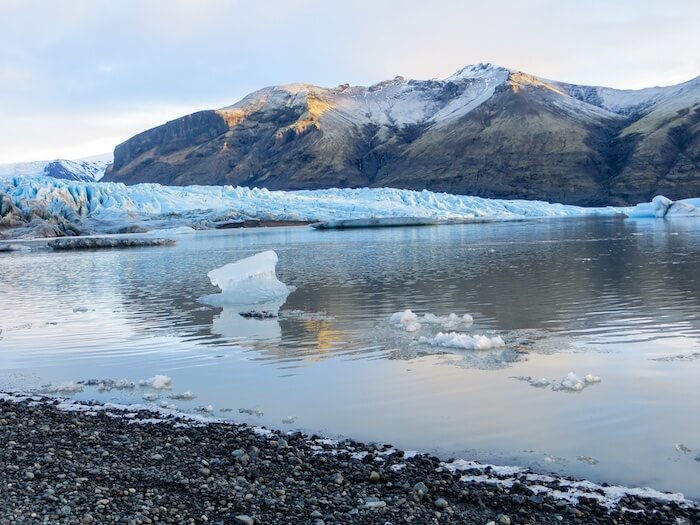
Five days is enough for a first trip to Iceland if you focus on Reykjavik, the Golden Circle, and the South Coast.
That’s how long we had, and we were able to see waterfalls, glaciers, black sand beaches, and some of Iceland’s most famous sights without driving the whole time.
That said, a week to 10 days is a better amount of time if you want to explore more of Iceland without rushing. Here’s how I’d think about it:
- 3-4 days: Base yourself in Reykjavik and take day trips to the Golden Circle and nearby South Coast. This works well for a short city break, but you’ll only see a small portion of Iceland.
- 5 days: This is a good option for a first road trip. You can combine Reykjavik, the Golden Circle, and the highlights of the South Coast. This is the minimum I’d recommend for a self-drive trip if you want to see more than the capital.
- 7 days: A week gives you more breathing room on the South Coast and allows time for additional stops, hikes, and glacier experiences without packing every day too tightly.
- 10-14 days: This is the ideal amount of time if you want to drive Iceland’s Ring Road and explore beyond the most popular stops. You’ll have more flexibility if weather or road conditions force you to change your plans.
One important caveat: Icelandic weather and road conditions can have a big impact on your itinerary, particularly outside summer. A five-day itinerary that looks perfectly reasonable on paper can feel more rushed if you lose time to bad weather.
READ MORE: See exactly how we spent our five days in Iceland on our Iceland road trip.
When to Visit Iceland
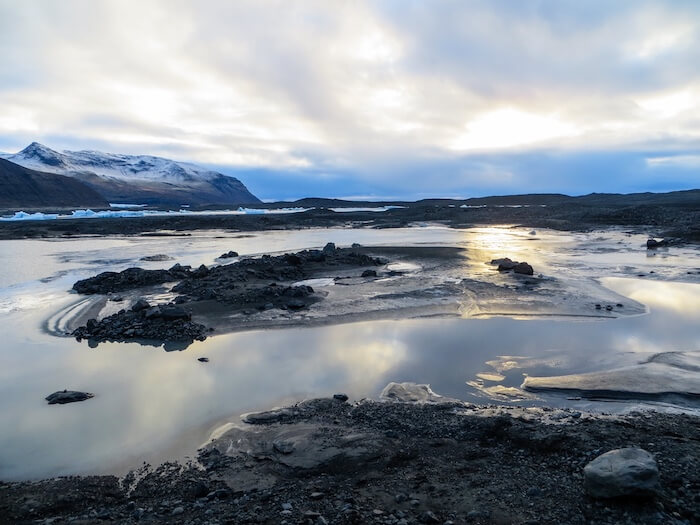
The best time to see Iceland is whenever you can go. That sounds silly, but it’s true. Every season offers something unique when planning an Iceland trip.
Note: If you do plan travel during times of year when the days are shorter, book any excursions and accommodations well in advance. Many businesses and guest houses do close shop when the weather gets nasty, despite special offers during that time.
Check out more detailed information on the seasons below before booking that trip:
- Spring: Iceland takes a while to thaw out after the winter, so expect some snow melt in the spring months. The later you visit in spring, the more daylight you’ll be rewarded with.
- Summer: June and July are the peak months for the midnight sun and spotting whales and puffins. You’ll have all day and all night if you want for all of the outdoor activities you can think of.
- Autumn: September brings your first opportunity to see the Northern Lights. Come November, you may be contending with winter storms. We got lucky with our trip in late November, but you’ll want to be flexible with planning at this time.
- Winter: Expect any exploration you do in the winter months to happen with a guided tour, which will be limited to chasing the Northern Lights or glacial exploration. You’d need 4WD to go it alone, and that’s if roads are even open.
Fun fact: If your visit is limited to Reykjavík during this time, you’ll have some opportunities to experience Christmastime fun, e.g. hot drinks around open fires.
How much does a trip to Iceland cost?
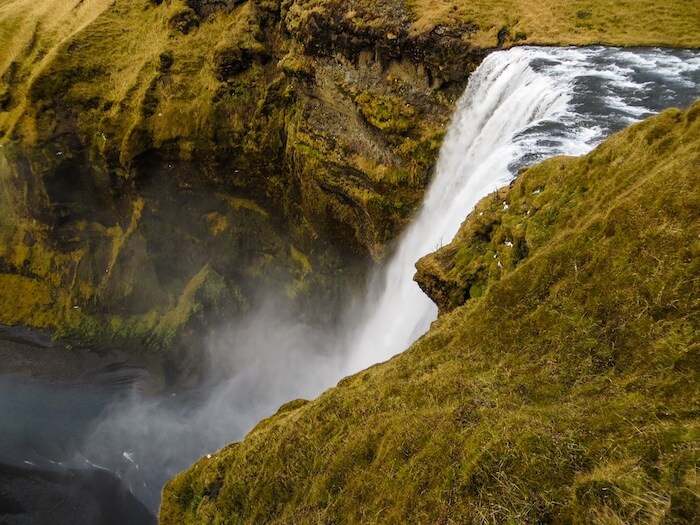
Iceland isn’t a cheap destination, but you don’t have to spend a fortune to enjoy it. Your biggest expenses will typically be your accommodation, rental car, food, and excursions, particularly if you’re traveling during the busy summer months.
The good news is that many of Iceland’s biggest attractions, like the waterfalls, beaches, hiking trails, and dramatic landscapes, are free to visit.
Here are a few ways to keep your Iceland trip costs under control:
- Book your rental car early: Rental car prices can climb during the summer, so compare rates and reserve as soon as you know your dates.
- Stay outside Reykjavík: Hotels and guesthouses in smaller towns can sometimes offer better value, particularly if you’re already planning a road trip.
- Shop at grocery stores: Eating out for every meal gets expensive quickly. Pick up breakfast supplies, snacks, and picnic lunches at a supermarket. I promise you’re not missing out on much.
- Choose your excursions carefully: You don’t need to book a tour for every stop. Some of Iceland’s best experiences are simply getting out of the car and exploring.
- Travel during the shoulder seasons: You’ll generally find fewer crowds and potentially better rates outside the peak summer months, although weather and daylight conditions vary.
Credit cards are widely accepted, and they’re actually preferred at most places in Iceland. Some cash on hand may be helpful for things like tips if you’re taking excursions.
How to Get to Iceland
To get to Iceland, you’ll have to fly there. Iceland is an island. Daily flights are available to Reykjavík from many major cities in the United States, Canada, and within Europe.
Many airlines will offer Iceland as a stopover destination on your journey elsewhere, too. Despite its popularity these days, Iceland remains a place where you can score some great deals.
Canadian and American residents do not need visas if traveling to Iceland for less than 90 days. Travelers within the Schengen states won’t need a visa either, no matter the length of stay.
If you’re traveling from outside of these countries, visit Iceland’s official visa website to determine what you’ll need ahead of your trip. Visa requirements differ for certain countries.
How to Get Around Iceland
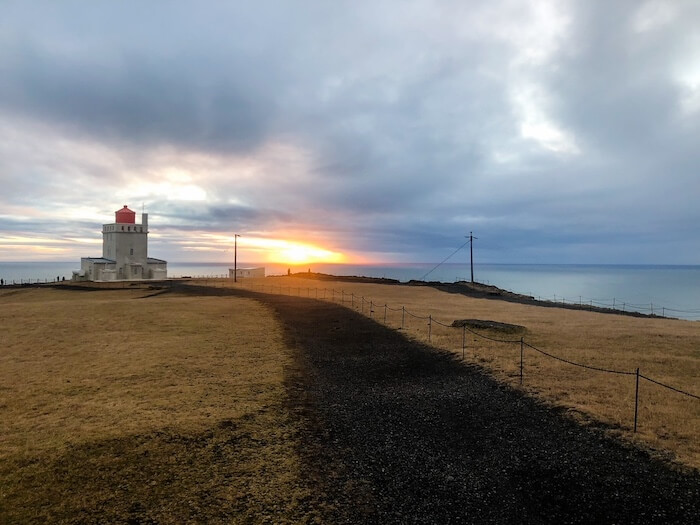
How you get around Iceland will depend on the season. The country offers fantastic road trip opportunities on the Golden Circle and beyond in the warmer months.
Driving becomes challenging — and at times impossible if you encounter road closures — when winter storms begin passing through. See more information below on your options once you’re in Iceland.
Renting a Car in Iceland
If you will be renting a car, shop around for the best deals. We used SADcars. Despite the budget car rental company’s unfortunate name, we had no complaints.
The company was also cheaper than all of the other big-name car rental agencies, particularly if you’re picking up and dropping off in the same city and sharing costs.
Note: Keep in mind that any road travel outside of the summer months will require a vehicle with 4WD. Drivers who aren’t experienced in navigating wintry road conditions should not be on the roads in the wintertime.
Road and weather conditions are available from the Icelandic Road and Coastal Administration. Heed their warnings, travelers, and be safe out there!
When planning your road trip, another thing to keep in mind is that getting from one point to the next may take much longer than you thought. That can be frustrating when you’re dealing with limited daylight outside of the summer months.
Iceland Tours
There are many tour opportunities out there at varying price levels if you’re wary of the self-drive option. If you’re based in Reykjavik, there are quite a few companies that will take you out for Northern Lights spotting or around the Golden Circle, for example.
Keep in mind that even professional tour companies cancel excursions if the weather’s bad enough. Book Iceland activities well ahead of time while keeping an open mind about alternatives you may need to pursue should a tour be canceled.
Here are a few highly-rated, popular options for tours in Iceland:
Buses in Iceland
Four main bus companies offer long-distance services throughout Iceland.
If you’ve got the time, they come out to be less expensive than air travel. That said, they may be more expensive than you may be used to, as is the case with most things in Iceland.
Keep in mind that road conditions apply to busing as well, and the winter months see drastically reduced services.
For more information on bus services, visit Reykjavik Excursions or Strætó BS based in Reykjavík, or SBA Norðurleið based in Akureyri, in northern Iceland.
Domestic Flights in Iceland
If you’re in Iceland during sketchy road conditions, taking a domestic flight may be your best option to get from Point A to Point B. This is especially true if you’re going to places that are off the beaten path.
Icelandair is likely what you’ll use to make that happen. Keep in mind that domestic flights will typically depart from Reykjavík Domestic Airport, not the international airport in Keflavík that you probably flew into to get to Iceland.
What should you book in advance in Iceland?
Iceland loves it when you plan in advance, and so do I. I’d book these before your trip:
- Accommodation: This is definitely the case if you’re traveling the Ring Road or staying in smaller towns where options are limited.
- Rental car: Book early for the best selection of vehicles and rates, particularly if you need a 4WD.
- Popular tours: Glacier walks, ice cave tours, whale watching, snorkeling in Silfra, and snowmobiling can all sell out.
- Geothermal spas: Reserve popular spots like the Blue Lagoon and Sky Lagoon ahead of time.
- Restaurants: Make reservations for popular Reykjavík restaurants, especially if you have a place in mind. You’ll also find out if they’re even open that way.
- Northern Lights tours: If seeing the aurora is a priority, book a tour early and leave room in your itinerary to try again if weather conditions don’t cooperate.
That said, you don’t need to book everything. Waterfalls, beaches, viewpoints, hiking trails, and many of Iceland’s natural attractions can be visited without reservations.
What to Know Before Visiting Iceland
Iceland is a pretty easy country to visit, but a few things can catch first-time travelers off guard. Here are some extra travel tips to know before you go:
- The weather can change quickly. Build some flexibility into your itinerary, particularly outside summer.
- Daylight varies dramatically. Summer gives you almost endless daylight, while winter days are very short.
- Don’t underestimate driving times. Stops, weather, road conditions, and slower speeds can turn a seemingly short drive into a much longer one.
- Some attractions are genuinely dangerous. Follow warnings around beaches, glaciers, cliffs, and geothermal areas.
- English is widely spoken. You won’t need to know Icelandic to get around, although learning a few Icelandic words would likely impress the locals.
- You don’t need much cash. Credit and debit cards are widely accepted throughout Iceland.
- Leave room for spontaneity. Some of your best Iceland experiences may come from an unexpected viewpoint, waterfall, or roadside stop.
Top Places to Visit in Iceland
There are so many scenic places to visit in Iceland. From volcanoes and glaciers to waterfalls, black sand beaches, and geothermal areas, Iceland is one of the most impressive countries we’ve visited.
That said, there are a few places that you really shouldn’t miss while you’re planning a trip to Iceland. Here are my favorites that you can fit into most first-time itineraries, as these are all within road trip distances from Reykjavik.
Reykjavik
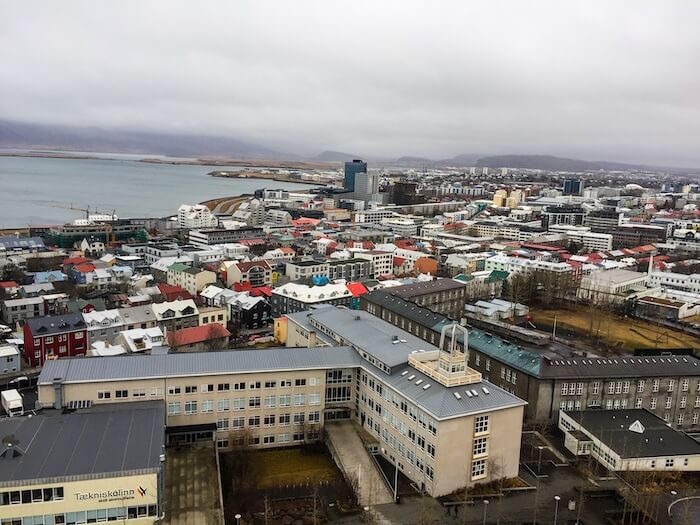
Reykjavik is a natural starting point for travel to Iceland. You’ll likely be flying into Reykjavik anyway to kick off your adventures.
I urge you not to jump right into an Iceland road trip from here. Reykjavik is a great city to get yourself acclimated to Icelandic culture, and you won’t find a better food scene elsewhere in Iceland.
It’s great for a quick visit, too. If you want to prioritize, I have a guide to one day in Reykjavik.
Blue Lagoon
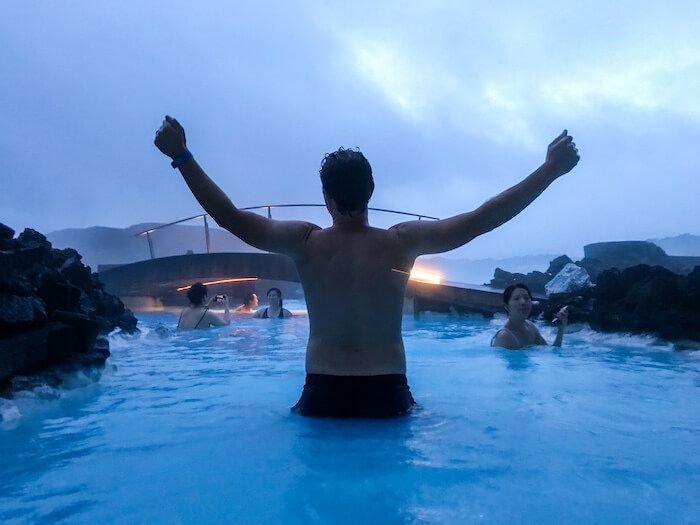
If you linger just a bit in Reykjavik, the Blue Lagoon is an easy day trip to get your relaxation on before more adrenaline-pumping activities.
I’ll be honest here. I had pretty low expectations of the Blue Lagoon, but even high expectations would have been met here. Yes, it’s a popular tourist attraction. That’s because it’s great, especially if you just got off a long flight.
Try timing your visit for when it opens to have more room inside.
We drove ourselves to the lagoon, but you don’t have to if you’re not interested in renting a car. Check out these transfer options that will get you there with little effort on your part:
Thingvellir National Park
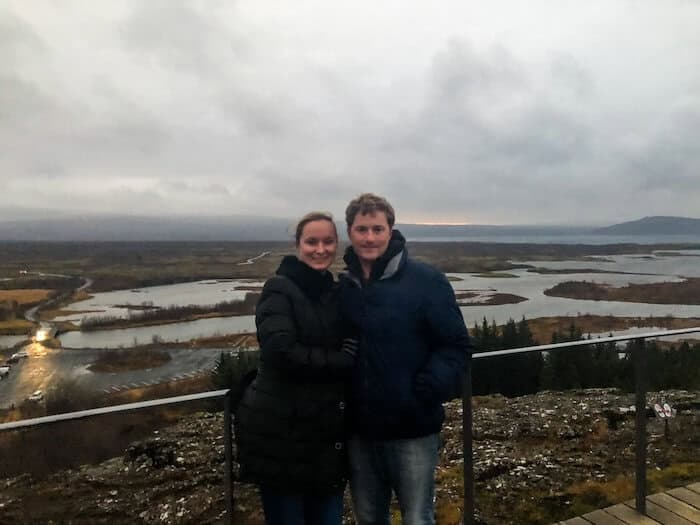
Thingvellir National Park, or Þingvellir National Park if you want to get fancy and Icelandic, is a fantastic stop to get to know Iceland’s diverse landscapes.
It’s one of the best waterfall spots near Reykjavik thanks to Öxarárfoss, a gusher that flows into the river Öxará.
It’s also where you’ll go to snorkel between two continents.
I’m serious.
This is where you can take a snorkeling tour to swim in the Silfra, a crack between North America and Eurasia. It’s cold as heck, but one of those things you can brag about until you die.
READ MORE: It’s also one of the coolest things you can do in Iceland. Check out the rest!
We used DIVE.IS as our tour operator, but here are a few more in case they’re sold out or you want to shop around:
Jökulsárlón
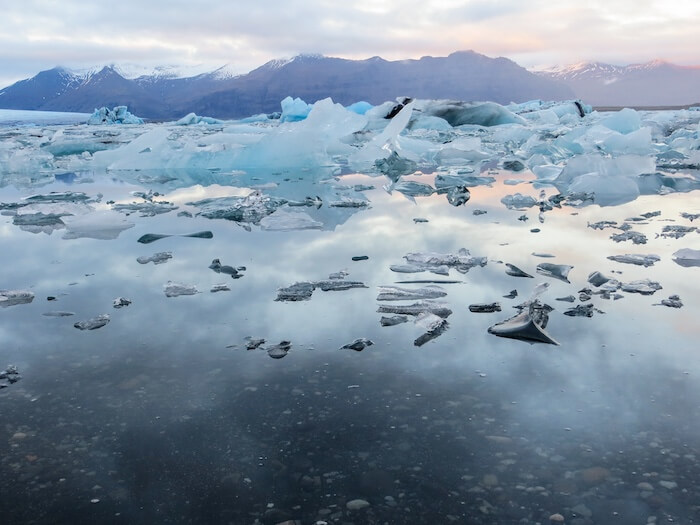
The Jökulsárlón glacier lagoon is one of the most photogenic natural wonders in Iceland. The lagoon is dotted with icebergs that have calved from the Vatnajökull glacier and now float in those waters.
Visit in the warmer months for boat tours that get you closer to the ice. We missed out on that because we visited Iceland in November, but the scenery was incredible nonetheless.
Reynisfjara

This black sand beach on Iceland’s South Coast is a great example of how dramatic Iceland’s landscapes truly are.
On top of that black sand, you’ll be surrounded by towering basalt columns and dramatic sea stacks against powerful waves that you shouldn’t turn your back on.
I’m serious about that last bit. Sneaker waves are a thing, and they’ve been known to sweep away travelers who didn’t give them their due.
More Places to Visit in Iceland
It’s impossible to see all there is to see in Iceland in just under a week. Heck, you could spend a month traveling this country and never tire of these landscapes.
Here are a few more Iceland destinations that are still on our list for future trips:
- Akureyri: This is Iceland’s second-largest city and known as the capital of North Iceland. Expect scenic mountain views and a vibrant local arts scene in this fishing port.
- Húsavík: This is the whale-watching capital of Iceland, especially in the summer months, but I’m not too basic to admit that it’s high on our list thanks to that Will Ferrell movie.
- Lake Mývatn: This geothermal area boasts unique lava formations, hot springs, and volcanic craters. It’s on my list for the Mývatn Nature Baths, which promises to be a quieter alternative to the Blue Lagoon.
- Landmannalaugar: Located in the highlands, this region is known for its colorful rhyolite mountains, hot springs, and hiking trails. You’ll want to visit this one in the summer months.
- Westfjords: This remote, rugged area is known for its dramatic fjords, steep cliffs, and quiet fishing villages. Dynjandi waterfall, cascading down in layers, looks like a must-see here.
Iceland Travel Itineraries
We only had five days in Iceland, but I would have loved a full week to take things a bit slower, especially in Reykjavik.
Here are a few trip ideas for a full week’s worth of activities as you plan your Iceland itinerary:
Option 1: Reykjavik and the Golden Circle
- Day 1: Arrive in Reykjavik.
- Day 2: Explore Reykjavik.
- Day 3: Visit Þingvellir National Park and Geysir.
- Day 4: Plan a Golden Circle excursion.
- Day 5: Visit Kerid Crater, Seljalandsfoss, and Jökulsárlón.
- Day 6: Explore Skaftafell National Park, Reynisfjara, and Vik.
- Day 7: Return to Reykjavik.
Option 2: Iceland’s Ring Road
- Day 1: Arrive in Reykjavik and hit the road for the Golden Circle.
- Day 2: Explore Skógafoss and Reynisfjara along the South Coast.
- Day 3: Visit Jökulsárlón and the Eastfjords.
- Day 4: Drive north to Lake Mývatn.
- Day 5: Explore the Tröllaskagi and Dalvik village.
- Day 6: Explore Snaefellsnes Peninsula.
- Day 7: Return to Reykjavik.
Option 3: Ring Road + Húsavík
- Day 1: Arrive in Reykjavik and explore the Golden Circle.
- Day 2: Drive the South Coast to Vik.
- Day 3: Drive to Höfn via Skaftafell National Park.
- Day 4: Explore the Eastfjords and drive to Lake Mývatn.
- Day 5: Plan an excursion in Húsavík.
- Day 6: Explore the Snæfellsnes Peninsula.
- Day 7: Return to Reykjavik.
Local Icelandic Foods
Iceland has some yummy offerings, but there are also some strange ones. I want you to go in with the knowledge you need to avoid the fermented shark.
Below, find some common items that you may encounter while on holiday in Iceland:
- Hakarl: This is fermented shark that has been buried and hung to dry for up to five months, then served as something edible. It’s the national dish, but I’d pass.
- Humar: This is what Icelanders call their lobsters, or more accurately, their langoustines. You’ll find them in soups, grilled, baked, or fried. It’s all delicious.
- Kjötsúpa: Soup was my jam while we were in Iceland. This is the meat version, incorporating lamb, hearty vegetables, and spices for a belly-warming meal.
- Pylsa/Pulsa: Icelanders love their hot dogs. While in Reykjavik, don’t miss Baejarins Beztu Pylsur, a chain of hot dog stands.
- Skyr: Skyr is a dairy product that has been consumed by Icelanders since Viking times. You can liken it to Greek yogurt but with not as sharp a flavor.
- Snúður: These are Icelandic cinnamon rolls. If you’re in Reykjavik, try them at Brauð & Co.
Special Dates & Events in Iceland
If you’re planning a trip to Iceland during a specific time of year, consider whether there are any festivals or holidays occurring. You may want to attend special events or avoid them, as holidays often mean business closures.
Here are a few notable Iceland events:
- Reykjavík Winter Lights Festival: The Reykjavík Winter Lights Festival is a free cultural event that aims to reinvigorate the city after a long season of darkness.
- Secret Solstice: Secret Solstice is an annual music festival held in Reykjavík in celebration of the midnight sun. The lineup is both local and international.
- Bræðslan Music Festival: This festival, held in the small east Iceland village of Borgarfjordur eystri, attracts solid talent.
- Culture Night: Culture Night is a one-day festival held in Reykjavík that celebrates the city’s birthday. The goal is to encourage civic participation.
- Iceland Airwaves: Iceland Airwaves is a popular music festival held in Reykjavík each year that showcases both local and international talent.
Where to Stay in Iceland
Where you stay in Iceland depends heavily on your itinerary. For a short first trip, Reykjavík makes a good base, but if you’re driving the South Coast or Ring Road, staying along your route will save you from backtracking.
- Reykjavík: This city is best for exploring the city, your first or last night, or taking day trips if you don’t want to drive.
- South Coast: Stay around Vík, Hvolsvöllur, or Höfn to break up the drive toward Jökulsárlón.
- North Iceland: Akureyri is a convenient base for exploring the attractions up there.
- East Iceland: Egilsstaðir is the main hub, while Seyðisfjörður is a more scenic option if you have time for a detour.
- West Iceland: Consider a base around Snæfellsnes if you’re adding the peninsula to your trip.
We primarily used Booking.com for our trip to Iceland for the cheapest rates. They have a good range of options from Reykjavik to the middle of nowhere.
Hotels.com is a good comparison tool, and Vrbo is my Airbnb alternative if you want something with more amenities.
Planning a trip to Iceland demands flexibility.
We were lucky enough to enjoy decent weather on our November trip to Iceland. Travelers just the day before our arrival had to deal with winds aggressive enough to delay luggage for the duration of their trip.
Our weather was also warm enough that any ice cave exploration was canceled!
Even despite all of that, Iceland remains one of my favorite places on the planet. It rewards that flexibility with some of the most incredible scenery you’ll see. I know I’ll be back!
Planning more Europe travel? Check out these destinations:
- A Travel Guide to Warsaw, Poland
- How to Visit the Duomo in Italy’s Florence
- Is Pisa, Italy, Worth Visiting? Find Out!
- Plan a Riviera Trip to Cannes, France
- How to Plan the Loveliest Weekend in Nice
More scenic destinations for adventurous travelers:
- How to Take a Shortcut to Machu Picchu
- Visiting the Medieval City of Lucca, Italy
- Why Visit the Salt Cathedral of Zipaquirá
- A Guide to the Towering Cacti of Saguaro
- You Need to Plan a Trip to Pompeii From Rome

Want to see more?
Subscribe to my biweekly newsletter for hot travel tips I come across, weird stories you won’t see elsewhere and perhaps lifelong friendship.
Too much, or just enough?
